





The Foundation: Dals and Legumes
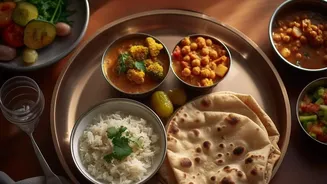
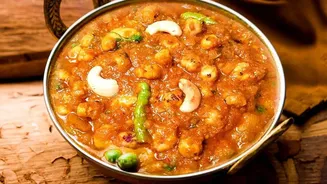
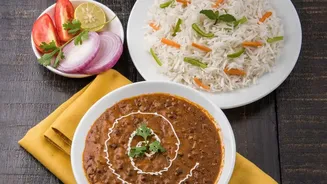
Lentils and legumes are the heart of Indian cuisine and, conveniently, are packed with fibre. A single cup of cooked rajma (kidney beans) can provide around 11 to 13 grams of fibre, while chana (chickpeas) and masoor dal also offer significant amounts.
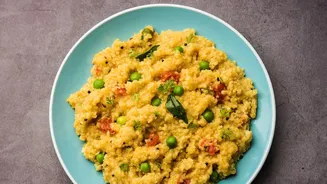
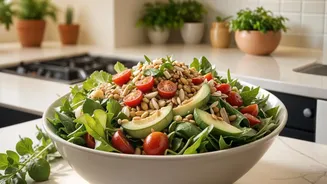
This combination of soluble and insoluble fibre aids digestion, helps manage blood sugar levels, and keeps you feeling full for longer. Beyond the classic dal tadka, think about incorporating them in new ways. Add a handful of boiled chana to your salads, make a simple sprouts chaat for a midday snack, or mix different dals to create a more complex and fibre-rich khichdi.
The Versatile Grain: Oats
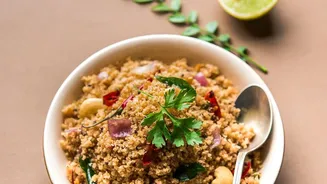
Oats are a fantastic source of a specific soluble fibre called beta-glucan, known for its ability to help lower cholesterol levels. While a warm bowl of masala oats is a great start to the day, this grain’s potential extends much further. You can grind rolled oats into a coarse flour and add it to your regular atta to make fibre-rich rotis or cheelas. Add a few tablespoons to a smoothie for a creamy texture and a fibre boost. You can even use oats as a binding agent in vegetable tikkis or kebabs, replacing less nutritious options like breadcrumbs.
The Simple Swap: Whole Grains
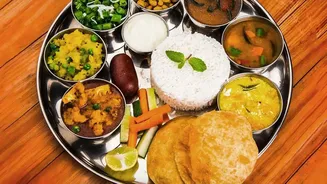
One of the easiest ways to increase your fibre intake is by switching from refined grains to whole grains. Choosing whole wheat atta over refined flour (maida) is a simple but powerful change. Similarly, swapping white rice for brown rice, red rice, or millets like jowar (sorghum) and bajra (pearl millet) can make a significant difference. These grains retain their outer bran layer, which is where most of the fibre resides. Start by mixing them half-and-half with your usual grains to get accustomed to the taste and texture. A plate with half vegetables, a quarter of dal, and a quarter of whole grains is a balanced approach.
The Crunchy Toppers: Nuts and Seeds
A handful of nuts and a sprinkle of seeds are a quick and effortless way to add fibre, healthy fats, and protein to any meal. Almonds, walnuts, and peanuts are all good sources. Seeds like flax (alsi), chia, and pumpkin seeds are particularly potent. Just two tablespoons of chia seeds, for instance, can provide nearly 10 grams of fibre. Sprinkle them over your morning porridge, yoghurt, or salad. Blend them into smoothies, or add a spoonful of ground flaxseed to your chapati dough. They add a pleasant crunch and a powerful nutritional punch with minimal effort.
The Unsung Heroes: Everyday Vegetables
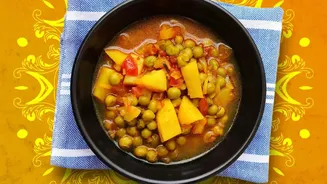
While we know vegetables are good for us, some common kitchen staples are fibre superstars. Bhindi (okra), green peas, carrots, and leafy greens like spinach (palak) and fenugreek (methi) are excellent sources. The key is variety and quantity. Aim to fill half your plate with vegetables at lunch and dinner. Don’t just relegate them to a side dish; incorporate them into your main course. Add grated carrots or chopped spinach to your dal, stuff parathas with chopped methi, or enjoy a simple kachumber salad with your meal. Even a simple roasted sweet potato (shakarkandi) is a delicious, fibre-rich snack.
The Forgotten Fruits: Guava and Pears
While all fruits contain fibre, some pack a bigger punch than others. Guava is a standout, with one medium fruit offering a substantial amount of dietary fibre. Pears and apples, especially when eaten with their skin on, are also excellent choices. Instead of reaching for fruit juice, which is stripped of its fibre, opt for the whole fruit. A whole fruit provides the fibre that slows sugar absorption and aids in digestion. Enjoy a piece of fruit as a snack or as a light dessert after your meal to easily contribute to your daily fibre goal.