

The Philosophy of Vrat Eating
Fasting in Hindu traditions is not about starvation, but about spiritual discipline and purifying the body and mind. This is achieved through a 'sattvic' diet, which emphasizes light, pure, and energy-giving foods. Regular grains like wheat and rice,
lentils, onions, garlic, and common table salt are avoided because they are considered 'tamasic' or 'rajasic'—qualities believed to induce lethargy or restlessness. Vrat-approved foods, on the other hand, are meant to be easy to digest, provide sustained energy, and keep the mind calm for prayer and reflection. This is where ingredients like makhana, kuttu, and rajgira come into play, perfectly fitting the sattvic criteria.
Makhana: The Puffed Powerhouse
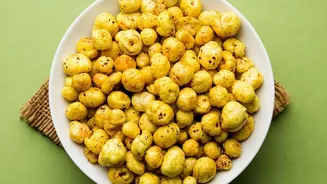
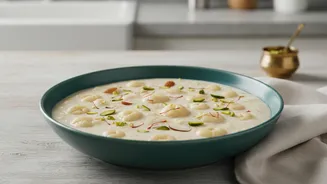
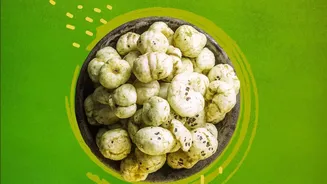
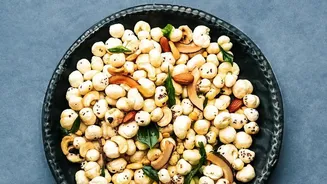
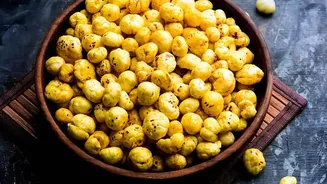
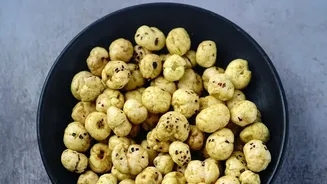
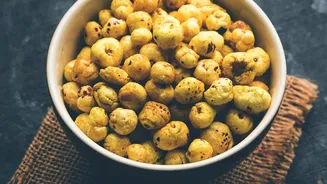
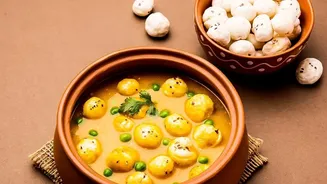
Makhana, or fox nuts, are the puffed seeds of the lotus plant and have been a fasting superfood for centuries. They are incredibly light and crunchy, yet nutritionally dense. A key reason for their popularity is their high protein and fibre content, which promotes satiety and keeps hunger pangs at bay for longer periods. Low in calories, sodium, and cholesterol, makhana is an ideal snack that provides energy without the heaviness of fried alternatives. Rich in essential minerals like magnesium and potassium, they also support heart health and help regulate blood pressure. Whether roasted with a sprinkle of rock salt (sendha namak) or turned into a creamy kheer, makhana is a versatile and guilt-free indulgence during fasts.
Kuttu: The Misunderstood Super Grain
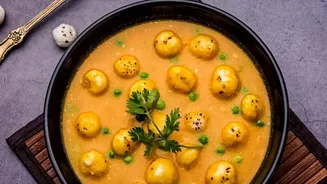
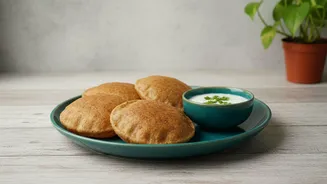
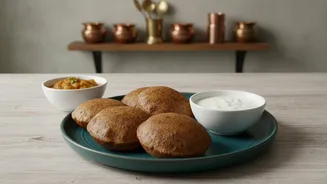
One of the biggest misconceptions is in the name. Kuttu, or buckwheat, is not a type of wheat at all. It's a 'pseudo-cereal'—a seed from a broadleaf plant that is consumed like a grain. This botanical distinction makes it permissible for fasting when true cereals are forbidden. Buckwheat flour (kuttu ka atta) is prized for providing steady energy due to its complex carbohydrates, which break down slowly. It is packed with high-quality protein, dietary fibre, and minerals like magnesium. According to tradition, kuttu is also considered to have warming properties, making it a nourishing choice. Its dense, earthy flavour lends itself perfectly to classic vrat dishes like Kuttu ki Puri, paratha, and pakoras, offering a substantial meal to sustain devotees through the day.
Rajgira: The Royal Amaranth
Rajgira, which translates to 'royal grain', is the Hindi name for amaranth. Like buckwheat, it is a gluten-free pseudo-cereal, making it a staple during fasting periods. Rajgira has a remarkable nutritional profile, celebrated for being a complete protein source containing all essential amino acids. It is also exceptionally rich in calcium, iron, and fibre. The lysine in amaranth helps the body absorb calcium efficiently, supporting bone health. Its versatility is another reason for its popularity. The tiny grains can be puffed and used to make chikkis or laddoos, while the flour (rajgira ka atta) is used to make soft rotis, puris, and porridge. Its gentle, nutty flavour and impressive health benefits make it a revered ingredient in the vrat kitchen.
From Ancient Ritual to Modern Wellness
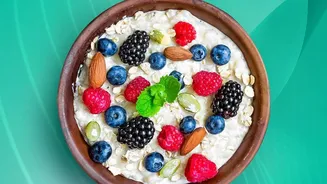
While deeply rooted in religious tradition, the popularity of makhana, kuttu, and rajgira is no longer confined to fasting days. The global wellness community has embraced them as 'superfoods'. Their naturally gluten-free status makes them a go-to for people with celiac disease or gluten sensitivity. The high protein and fibre content appeals to those focused on weight management and digestive health. These ancient ingredients, once reserved for spiritual practices, are now staples in modern health-conscious diets. They have successfully transitioned from the vrat thali to smoothie bowls, protein bars, and gourmet snacks, proving that the nutritional wisdom of our ancestors is truly timeless.