


Why 'Just Water Them' Is Bad Advice
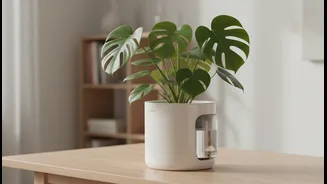
Effective plant care is more of an art than a science, and a generic directive to "water the plants" is often a recipe for disaster. Each plant in your collection has its own distinct personality and needs. A tropical monstera has different requirements
than a desert-dwelling cactus, and treating them the same can lead to overwatering, underwatering, and a host of other problems. Overwatering is one of the most common mistakes a well-meaning but ill-informed sitter can make. Providing specific instructions empowers your sitter to care for your plants with confidence and precision, ensuring you don’t come home to a botanical tragedy. Clear communication is the key to a thriving plant family and a lasting friendship.
The All-Important Watering Guide
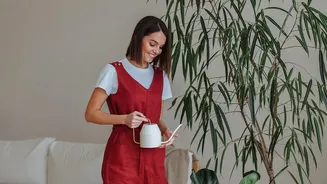
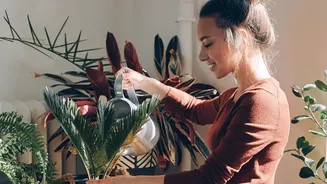
Watering is nuanced. Instead of a rigid schedule like “water every Tuesday,” guide your sitter on how to check the plants. The best method is the simple finger test: instruct them to stick a finger one to two inches into the soil. If it’s dry at that depth, it’s time to water; if it’s still moist, they should wait. Explain the technique for each plant. Should they water until it runs out the drainage hole at the bottom? Is it a fern that needs consistently moist soil, or a succulent that should dry out completely between drinks? For some plants, bottom-watering might be best. Leave out a designated watering can and be clear about how much water to use for larger versus smaller pots.
Let There Be the Right Light
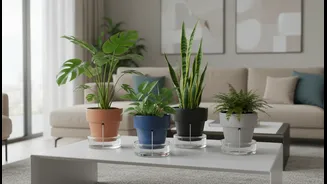
Sunlight is food for plants, but the wrong kind can be harmful. A plant that loves the bright, direct sun of a south-facing window will scorch in the same spot that a low-light-loving snake plant thrives in. Walk your sitter through your home or leave detailed notes about the light conditions in each area. Use simple terms like 'bright, indirect light,' 'direct morning sun,' or 'low light.' If you're going to be gone for an extended period, it might even be wise to move sensitive plants out of intense sun to prevent sunburn or drying out too quickly, especially during hot summer months. Grouping plants with similar light needs together can also make the task simpler for your sitter.
Humidity and Other Environmental Factors
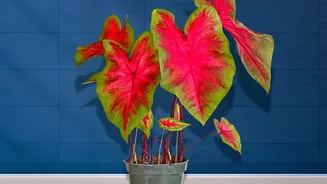
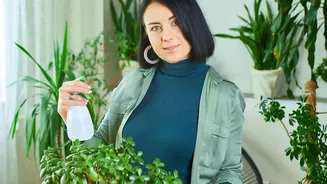
Many popular houseplants are native to tropical regions and crave humidity that the average home doesn't provide. If you have a collection of calatheas, alocasias, or ferns, their care goes beyond just watering. If you regularly use a humidifier, show your sitter how to operate it and how often. An easier alternative is to instruct them on misting the leaves every few days. Another low-tech solution is to place plants on a tray of pebbles filled with water, which increases ambient moisture as the water evaporates. Make sure to explain these extra steps, as they are crucial for keeping these divas of the plant world happy and their leaves green and crisp-free.
Create a Plant-by-Plant Cheat Sheet
To eliminate guesswork entirely, create a simple cheat sheet. You can make a master document or use individual labels or tags for each plant. For each plant, list its name or a simple description (e.g., "the tall one in the corner"), and its specific care instructions. Use a color-coded system with sticky notes or flags if you have a large collection. For example: a blue tag means water when the top inch of soil is dry, a yellow tag means let it dry out completely, and a green tag means mist every other day. This visual system is incredibly user-friendly and removes any room for interpretation. It turns a daunting task into a simple matching game.
Simple Troubleshooting and Emergency Contacts
Even with the best instructions, things can happen. A leaf might turn yellow, or a plant might suddenly droop. Provide your sitter with a basic troubleshooting guide. For example: "If you see yellow leaves, it might be overwatered, so hold off. If the leaves are crispy and brown, it might be thirsty." Most importantly, let them know it’s okay to reach out. Tell your sitter not to panic and that they can send you a photo or a text if they are concerned about a plant. Providing this safety net reduces stress for them and gives you peace of mind that you can intervene with advice before a small problem becomes a big one. Also, be sure to let them know where all the supplies are, from the watering can to the mister.