






First, What Is Ambali?
Ambali is a traditional South Indian porridge or beverage made from finger millet, known as ragi. Its preparation is simple: ragi flour is cooked with water to form a gruel, which is then often left to ferment, sometimes overnight. This fermented base
is typically mixed with buttermilk or curd and seasoned with salt, finely chopped onions, green chillies, and herbs like coriander. For centuries, it has been a staple for farmers and rural communities, valued as a cooling, hydrating, and energy-sustaining drink, especially during hot weather. It’s known for being easy to digest, filling without being heavy, and incredibly nourishing.
The Modern Health Halo
A primary driver of Ambali's revival is the modern obsession with wellness. In an era of probiotics and gut-friendly foods, Ambali fits right in. The fermentation process enriches it with beneficial bacteria that support a healthy gut microbiome, which is linked to better digestion and immunity. Finger millet itself is a nutritional powerhouse. It's naturally gluten-free and has one of the highest calcium contents among cereals, crucial for bone health. Sprouting and fermenting ragi also breaks down 'anti-nutrients' like phytic acid, which means the body can absorb more of its iron and calcium. For health-conscious urbanites tracking their food's benefits, Ambali offers a compelling package: it’s a natural probiotic, a source of sustained energy, and may help in managing blood sugar levels due to its low glycemic index.
A Taste of Nostalgia and Authenticity
Beyond the health benefits, there's a powerful emotional pull. For many city dwellers who have moved from their hometowns, traditional foods evoke a strong sense of comfort and nostalgia. Ambali represents a connection to roots, a taste of a grandmother’s kitchen, and a simpler time. As urban diners grow more adventurous and tired of generic menus, they are actively seeking authentic, regional dishes with a story. This turn towards culinary heritage makes Ambali an attractive offering for cafes wanting to provide an experience that is both unique and deeply Indian. It’s not just a meal; it's a piece of cultural identity served in a bowl.
The Cafe's Creative Twist
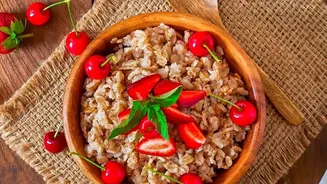
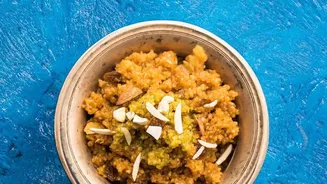
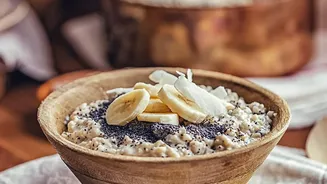
Cafes aren't just serving Ambali in its most traditional form. They are reinventing it for a modern palate. Some are positioning it as an 'artisanal hydration' drink in earthy pottery, while others are creating savory smoothies or chilled bowls. There are versions sweetened with jaggery and cardamom, or made into fruity breakfast bowls with coconut milk, bananas, and seeds. One recipe even features a creative blend with cucumber and avocado for a refreshing twist. This culinary innovation makes the ancient porridge more accessible and 'Instagrammable' for a younger generation, transforming it from a rustic staple into a trendy, versatile dish that can be a breakfast bowl, a light lunch, or a post-workout refresher.
The Sustainability Angle
The millet revolution in India is also an environmental one. Millets like ragi are hardy, drought-resistant crops that require far less water and resources than rice and wheat. As consumers and businesses become more environmentally conscious, choosing millets is seen as a sustainable choice that supports biodiversity and local farmers. This farm-to-table appeal adds another layer of value for cafes that want to showcase their commitment to responsible sourcing. By putting millets on the menu, they are participating in a larger movement to revive traditional grains and create a more sustainable food ecosystem.