




What Exactly is Kanji?
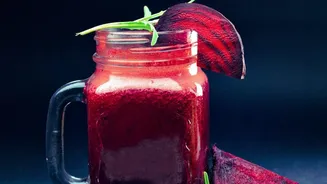
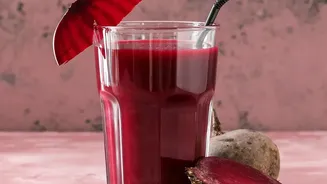
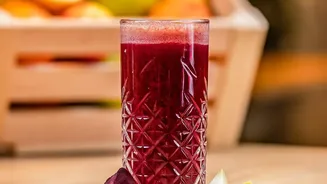
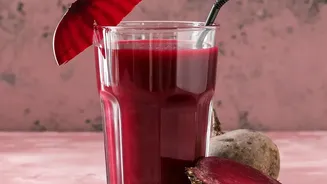
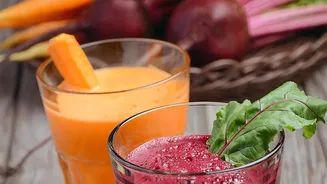
Kanji is a traditional fermented beverage originating from North India, particularly popular in states like Punjab and Uttar Pradesh. It's a tangy, savoury, and slightly pungent drink with a striking deep purple or reddish hue. Historically, it has been
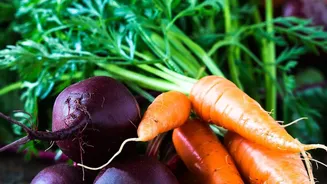
a winter and spring staple, often prepared for the festival of Holi to aid digestion and boost immunity after the winter season. The drink is made using simple ingredients: black carrots (kali gajar) or beetroot, water, salt, and coarsely ground mustard seeds, which act as the primary fermenting agent. This mixture is traditionally left in a glass or ceramic jar under the sun for several days, allowing natural fermentation to work its magic.
A Powerhouse of Probiotics
The magic of Kanji lies in its fermentation process. The mustard seeds, along with naturally present microbes on the vegetables, kickstart the growth of beneficial bacteria, primarily lactic acid bacteria (LAB). These bacteria consume the natural sugars in the carrots and beetroot, producing lactic acid. This process not only preserves the drink but also creates a rich source of probiotics, the 'good' bacteria essential for a healthy digestive system. A balanced gut microbiome is linked to improved digestion, stronger immunity, and even better skin health, and sipping on Kanji is a traditional way to support this internal ecosystem. It's essentially India's very own answer to kombucha or kefir, rooted in centuries of culinary wisdom.
More Than Just Gut Health
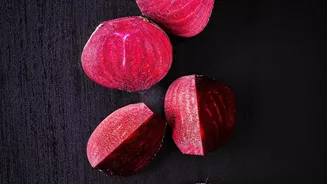
While the probiotic benefits are a major draw, Kanji's nutritional profile extends further. Black carrots, the traditional star ingredient, are packed with anthocyanins—powerful antioxidants that combat oxidative stress. Beetroots are a fantastic source of dietary nitrates, which can help improve blood flow, and are also rich in folate and iron. Combined, these ingredients make Kanji a low-calorie, nutrient-dense beverage that helps with hydration, detoxification, and providing essential vitamins like Vitamin C. The drink is valued for its ability to aid liver function and provide a natural energy boost without any artificial additives.
Making Your Own Kanji at Home
Bringing this ancient tradition into your kitchen is surprisingly simple. You'll need a large, clean glass jar, carrots and beetroot, mustard seeds, and salt. Start by washing, peeling, and cutting about four to five large carrots and one large beet into sticks. In the glass jar, combine these vegetables with 6-8 cups of filtered water. Coarsely grind about one tablespoon of mustard seeds and add them to the jar along with a tablespoon of salt. You can also add a pinch of red chili powder for extra warmth. Stir everything well, cover the jar's mouth with a muslin cloth, and place it in a sunny spot for three to five days. Stir the mixture once a day. The Kanji is ready when it develops a pleasant tangy and sour taste. Once fermented, you can strain the liquid and store it in the refrigerator for a few days. The leftover vegetables are perfectly pickled and delicious to eat as a side.
How to Fit Kanji Into Your Routine
The resurgence of Kanji is largely due to how easily it fits into a modern wellness-focused lifestyle. It's a simple, homemade alternative to commercial probiotic drinks that are often loaded with sugar. Many enjoy a small glass of chilled Kanji in the morning to kickstart their digestion. Its tangy flavour also makes it an excellent appetiser before meals. Some even use it as a flavourful, acidic base for salad dressings or to add a unique twist to other dishes. Starting with a small amount, such as a quarter of a glass, is recommended to allow your system to get accustomed to the potent probiotics. Its versatility and profound health benefits are transforming it from a seasonal, forgotten drink into a year-round kitchen staple for health-conscious individuals.