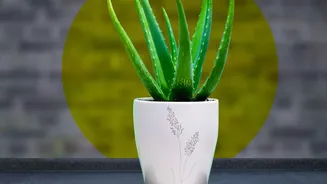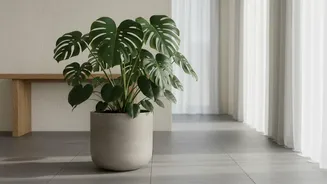

The Myth's Green Roots
The popular idea that houseplants are powerful air purifiers largely stems from a landmark 1989 NASA study. Facing the challenge of keeping air clean in sealed space stations, researchers found that common indoor plants could remove volatile organic compounds
(VOCs) like formaldehyde and benzene from the air in a sealed chamber. This exciting finding grew into a widely accepted rule of thumb for healthy homes: more plants equals cleaner air. Recommendations, sometimes attributed to the original NASA scientist, suggested a couple of plants per hundred square feet could do the trick. It was a simple, beautiful solution to a modern problem.
What Modern Science Says
Recent analysis has put a significant damper on this green dream. A critical review of decades of research, notably from Drexel University, concluded that the original experiments don't translate to real-world homes and offices. The main issue is context. The NASA tests were performed in small, sealed chambers, which have very little in common with a typical, ventilated room that has constant air exchange. In a normal home, the rate of air exchange from opening a window or even from a building's standard ventilation system is vastly more effective at diluting pollutants than the slow work of a few potted plants. The effect of plants is so small in a normal environment that it's often described as statistically insignificant.
A Forest in Your Living Room
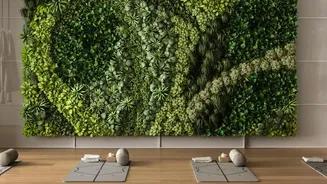
To truly replicate the air-cleaning effects seen in the lab, the numbers become staggering. According to researchers' calculations, you would need to place somewhere between 10 to 1,000 plants per square meter of floor space to compete with a building's normal air exchange rate. For a small 500-square-foot apartment, that would mean needing thousands, if not tens of thousands, of plants to make a meaningful difference in air quality. Essentially, you would need to live in a dense jungle, not just a home with a few decorative plants. While some newer studies suggest large-scale green installations like living walls can have a more noticeable effect on temperature and humidity, the evidence for single potted plants as air purifiers is weak.
Don't Ditch Your Plants Yet
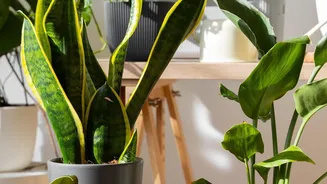
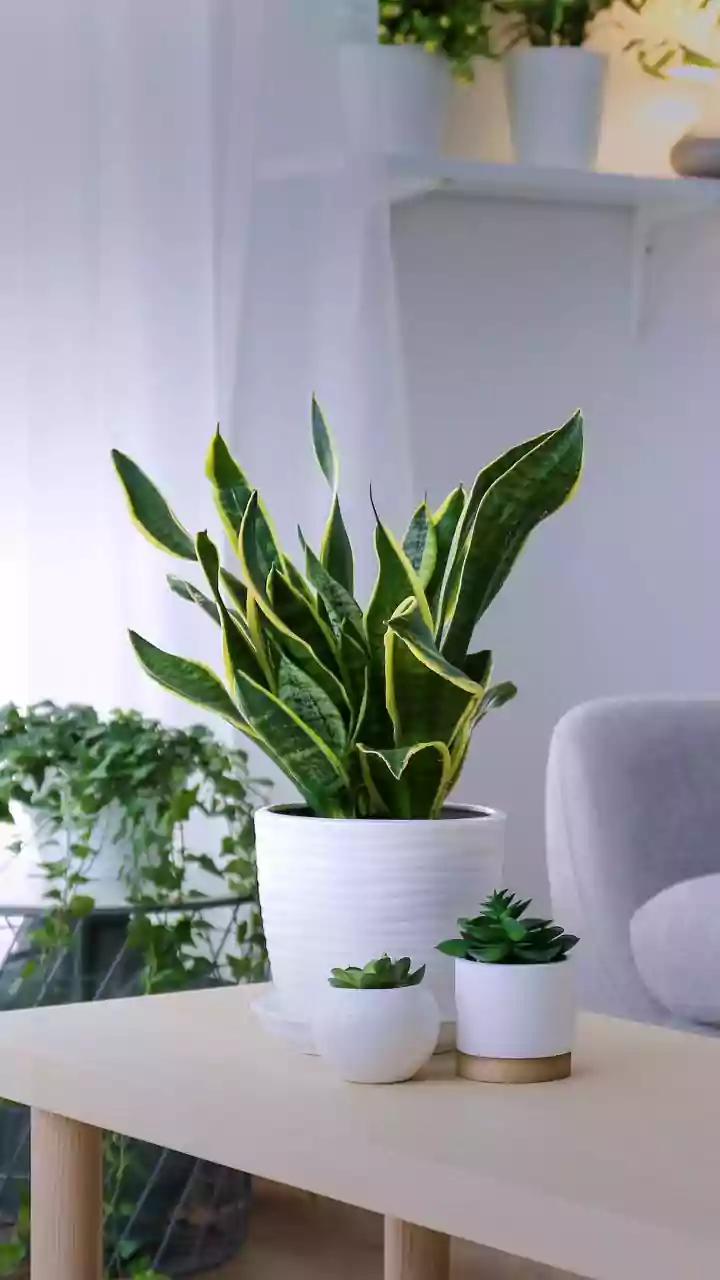
This might sound like bad news for plant lovers, but it’s far from it. While their air-purifying powers have been overstated, the other benefits of indoor plants are well-documented and scientifically supported. Studies have consistently shown that interacting with plants can significantly reduce psychological and physiological stress. Simply having plants in your environment can lower anxiety, improve your mood, and even lead to measurable decreases in blood pressure. This connection to nature, often called biophilia, boosts well-being and concentration. So, while your snake plant isn't scrubbing toxins, it is very likely making you happier and calmer, which is a powerful benefit in its own right.
A Real Breath of Fresh Air
If you are serious about improving your indoor air quality, the solutions are more straightforward, if less decorative. The most effective method is source control—reducing the number of pollutants you bring into your home in the first place. Beyond that, focus on ventilation. Simply opening your windows to allow for fresh air circulation is one of the most powerful things you can do. For a more robust solution, especially for those with allergies or in areas with poor outdoor air quality, consider using a high-quality air purifier with a HEPA filter. These devices are specifically engineered to capture a wide range of airborne particles and pollutants far more effectively than any reasonable number of houseplants could.