






Beyond Water-Resistant: The 'Waterproof' Promise
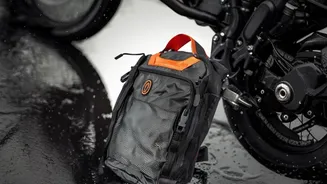
There's a critical difference between a 'water-resistant' backpack and a true dry bag. Most regular backpacks are water-resistant, meaning they can handle light splashes or a brief shower, but will eventually let water seep in through zippers and seams
during a sustained downpour. A heavy-duty dry bag, however, is designed to be fully waterproof, often even submersible for short periods. This is achieved through materials like PVC or TPU-coated nylon and a specific construction that eliminates points of failure. The most common feature is a roll-top closure, which, when folded down at least three times and buckled, creates an airtight and watertight seal that zippers simply cannot match.
What Makes a Dry Bag 'Heavy-Duty'?
The term 'heavy-duty' refers to a bag’s durability and construction, which is vital for the rigours of travel. These bags are typically made from thick, robust materials like 500D PVC Tarpaulin or high-denier nylon with a TPU (thermoplastic polyurethane) coating. This makes them highly resistant to punctures, abrasions, and tears—a crucial feature when your bag might be tossed onto a bus roof, squeezed into a crowded train compartment, or scraped against rough surfaces while trekking. Furthermore, the seams on heavy-duty bags are usually welded (sealed with heat and pressure) rather than stitched and taped. Welded seams create a stronger, more durable bond without any stitch holes, making them far less likely to leak over time.
Absolute Protection for Electronics and Documents
In today's world, traveling without electronics like a smartphone, camera, power bank, and laptop is almost unimaginable. Water damage can be instant and catastrophic for these devices. A heavy-duty dry bag provides a fortress against moisture, ensuring your expensive gadgets remain safe and functional. The same goes for essential documents like passports, tickets, and identification. A waterlogged passport can cause significant travel delays and headaches. Storing these irreplaceable items in a smaller dry bag within your main luggage offers an extra layer of security and peace of mind, allowing you to enjoy the rain without worrying about your valuables.
Versatility Beyond Just Keeping Things Dry
A heavy-duty dry bag is a surprisingly multi-functional piece of equipment. When sealed with air trapped inside, it can act as a flotation device if accidentally dropped in water. On a long trip, it’s perfect for separating wet or dirty clothes from your clean ones, containing odours and moisture effectively. Its waterproof nature also means it can be used to carry water if needed. Some travellers even use them as lightweight compression sacks; by stuffing them with clothes and squeezing the air out before sealing, you can save valuable space in your main backpack. They also protect against sand and dust, making them just as useful for a beach trip or a dusty road journey.
How to Choose the Right Bag for You
When shopping for a dry bag, consider the material and capacity. PVC bags are affordable and highly durable, while TPU-coated bags are lighter, more flexible in the cold, and more environmentally friendly to produce. The capacity, measured in litres, depends on your needs. A small 5-10 litre bag is great for personal items like a phone, wallet, and keys. A 20-30 litre bag works well as a daypack, while larger 50-litre bags can hold enough gear for a multi-day trip. Look for features like strong shoulder straps (removable ones are a plus) and external attachment points or D-rings for added convenience. While a quality dry bag might be more expensive than a standard backpack, it's a worthy investment for any serious monsoon traveller.