




The Rhythm of the Monsoon
Shravan, the fifth month of the Hindu lunar calendar, coincides perfectly with the peak of India's monsoon season, typically falling between late July and late August. This period is not just spiritually significant; it's a crucial time for agriculture.
The arrival of the monsoon rejuvenates parched lands, creating the ideal conditions for a wealth of produce to thrive. Fruits and vegetables harvested during this time are at their natural peak, having been nourished by consistent rainfall and flourishing in the high humidity and cooler temperatures. This alignment of the religious calendar with the agricultural cycle is the first clue to the enhanced flavour experience.
Nature’s Peak Harvest
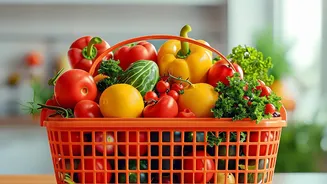
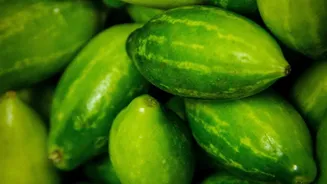
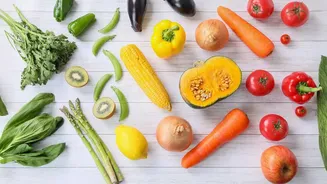
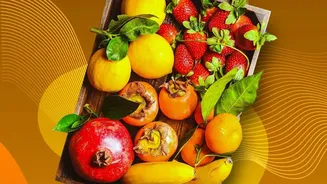
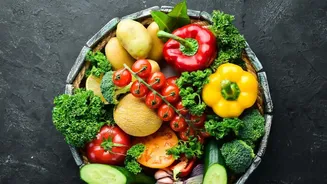
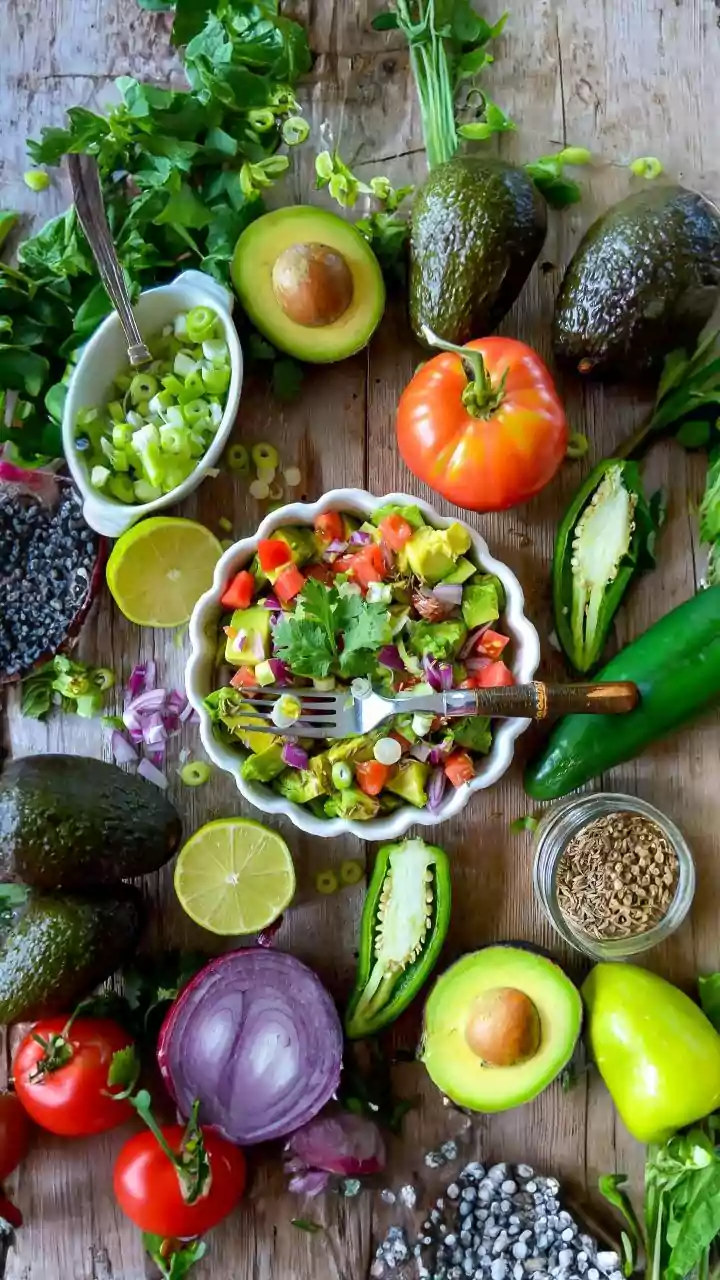
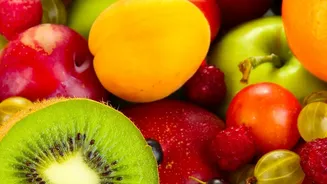
The monsoon brings forth a specific bounty of produce that is perfectly adapted to the season. This is the time when markets are filled with luscious jamun (black plum), peaches, lychees, and cherries. On the vegetable front, a variety of gourds like bottle gourd (lauki), ridge gourd (turai), and pointed gourd (parwal) become abundant, alongside leafy greens, fresh corn, and cucumber. Eating seasonally means consuming produce at its absolute freshest and most flavourful. Unlike produce available year-round through artificial farming methods, these monsoon crops are harvested at their point of peak ripeness, ensuring they are bursting with their intended taste and texture.
The Science of Better Taste
There's a scientific reason why monsoon produce often tastes juicier and crisper. The abundant water available during the rainy season is absorbed by the plants, leading to a higher water content in the fruits and vegetables. This hydration plumps up the plant cells, resulting in a fuller, more succulent texture. Furthermore, the humid and cooler climate of the monsoon, compared to the preceding scorching summer, can influence the development of natural sugars and other flavour compounds in the produce. While heavy rains can sometimes damage crops, the overall effect on well-suited seasonal varieties is a more vibrant and refreshing taste profile.
The Sattvic Diet Connection
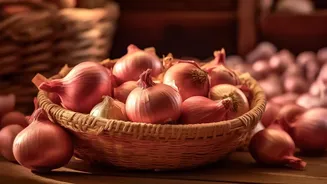
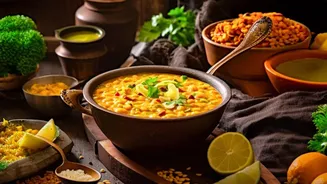
A crucial piece of the puzzle lies in the traditional dietary practices of Shravan. Many people observe fasts or adopt a Sattvic diet during this month. This diet is fundamentally simple, wholesome, and light on the digestive system. It involves avoiding meat, fish, eggs, and often pungent ingredients like onion and garlic. Meals are typically fresh, vegetarian, and minimally spiced. According to Ayurveda, the digestive fire (agni) is considered weaker during the monsoon, making heavy foods harder to process. By shifting to a simpler Sattvic diet, the palate is essentially cleansed. This heightened sensitivity allows one to appreciate the subtle, natural sweetness and complex flavours of fresh fruits and vegetables more profoundly.
A Mindful Eating Experience
Ultimately, the enhanced taste of produce during Shravan is a beautiful convergence of factors. It’s not just one thing, but a symphony of elements working in harmony. You have produce that is harvested at its agricultural peak, scientifically benefiting from the monsoon environment. Simultaneously, many people are engaging in a more mindful and simplified way of eating, which recalibrates their taste buds. The spiritual focus of the month encourages a state of greater awareness, which extends to the food consumed. This combination of peak-season freshness and a purified, receptive palate makes every bite of a simple cucumber or a juicy plum an exceptionally flavourful experience.