






From Menu to Manifesto
So, what exactly is a tasting menu? It’s a series of small, curated dishes served in a specific sequence, designed by the chef to showcase their philosophy, skill, and the best seasonal ingredients available. Instead of you choosing from a long list,
you put your trust in the chef to take you on a culinary journey. This can range from ten to even twenty small plates, each a chapter in a larger story. The focus shifts from simply eating to experiencing a narrative crafted through flavour, texture, and aroma. It’s a format that demands precision from the kitchen and a sense of adventure from the diner.
The Psychology of Surrender
The rising popularity of tasting menus signals a significant shift in Indian dining culture. Diners, especially in major cities like Mumbai, Delhi, and Bengaluru, are increasingly willing to trade the freedom of choice for a curated, immersive experience. This trend is driven by a generation that values stories and unique events over simple transactions. Handing over control to the chef is an act of trust, a declaration that you're here for their vision. This move reflects a maturing palate and a growing confidence among Indian diners who are seeking culinary education and entertainment, not just sustenance. Restaurants report being sold out weeks in advance, proving that patrons are willing to pay for this exclusive, chef-led experience.
A Canvas for Creativity
For chefs, the tasting menu is a creative liberation. It allows them to move beyond crowd-pleasing staples and express a distinct point of view. Many use it as a platform to champion hyper-local, seasonal, and even foraged ingredients, telling a story about a specific region's biodiversity. Restaurants like Masque in Mumbai, Indian Accent in New Delhi, and Avartana in Chennai are celebrated for menus that reinterpret nostalgic flavours and champion India's rich agricultural heritage. This format is also economically and sustainably sound. Knowing exactly what each guest will eat allows for precise inventory management, drastically reducing food waste—a major advantage over unpredictable à la carte service.
More Than Just a Meal
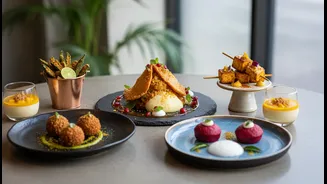
The experience extends beyond the plate. Theatrical presentations, bespoke crockery, and storytelling by the staff and chefs themselves are integral parts of the show. Each course is often introduced with details about its inspiration, the source of its ingredients, or the technique used in its preparation. It is, as many describe it, like dinner and a show, where the kitchen and the front-of-house staff move in a choreographed dance. This emphasis on the complete sensory experience is why these meals are often lengthy, lasting at least two hours, and designed to be savoured.
The Future on a Plate
While the high price point and time commitment mean tasting menus aren't for every occasion or every diner, their influence is undeniable. They are setting new standards for creativity, sustainability, and service in the Indian restaurant industry. This trend shows a growing pride and confidence in Indian cuisine itself, which no longer feels the need to compare itself to Western standards. Chefs are confidently presenting regional Indian flavours with pride, telling their own stories rather than translating them for a global palate. This movement is not just about a new way to dine; it’s about establishing a modern Indian culinary identity, one delicious, thought-provoking course at a time.