



Why Millets Are a Modern Superfood
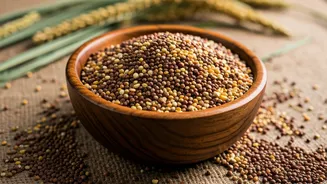
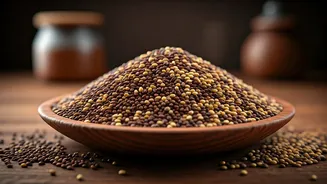
For generations, rice and wheat have dominated the Indian plate. But a quiet revolution is taking place, reintroducing us to ancient grains that are nutritional powerhouses. Millets, once dismissed as coarse grains, are now celebrated for their remarkable
health benefits. Compared to polished white rice and refined wheat, millets offer significantly more fibre, protein, and essential minerals. [4, 5, 6, 10] They are naturally gluten-free, making them an excellent choice for those with gluten sensitivity or celiac disease. [5, 7, 19] One of their most significant advantages is their low glycaemic index, which helps in managing blood sugar levels by preventing sudden spikes. [4, 5, 6, 10] This slow release of energy keeps you feeling full for longer, aiding in weight management and reducing unnecessary cravings. [4, 5, 7]
A Guide to Common Indian Millets
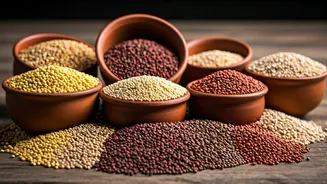
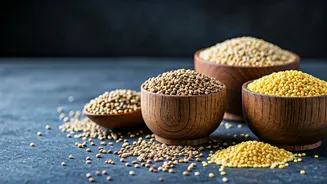
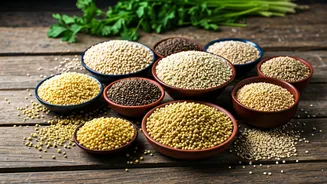
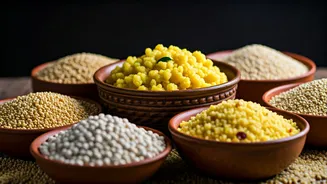
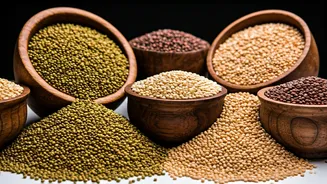
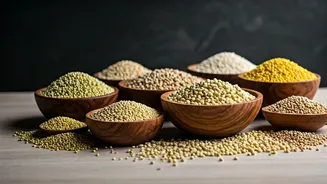
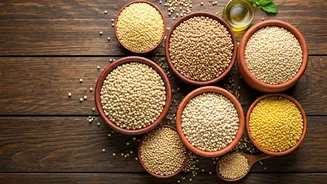
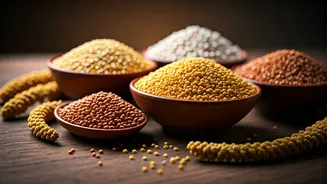
The world of millets is diverse, with each type offering a unique flavour and texture. Getting to know them is the first step to falling in love with them. * Jowar (Sorghum): A versatile millet, often ground into flour for soft rotis. It has a mild taste and is considered to have a cooling effect, making it great for summer. [15] * Bajra (Pearl Millet): With its distinct nutty flavour, bajra is rich in iron and protein. [7, 10] It's known to be warming, making it a perfect winter food. [15] * Ragi (Finger Millet): A nutritional champion, ragi is exceptionally rich in calcium. [10, 21] Its earthy flavour lends itself well to porridge, dosas, and rotis. [9, 17] * Foxtail Millet (Kangni): This quick-cooking millet is light and easy to digest, making it a fantastic substitute for rice in dishes like upma and pulao. [8, 13, 19] * Barnyard Millet (Sanwa): Often used during fasts, this millet is high in fibre and has a texture similar to broken rice, making it ideal for khichdi. [14, 23]
Simple Swaps for Everyday Meals
Incorporating millets into your diet doesn’t require a complete overhaul of your cooking style. You can start with simple, familiar recipes. Instead of a regular rice khichdi, try making it with foxtail millet or bajra for a more nutritious, fibre-rich meal. [9, 14] Swap out wheat flour for a mix of jowar, bajra, and ragi flour to make multigrain rotis that are both soft and healthy. [22] For breakfast, a warm bowl of ragi porridge can replace sugary cereals, providing sustained energy to start your day. [12, 13] You can even use millets like kangni to create a delicious and healthy upma or pulao, simply replacing semolina or rice. [9, 13, 14]
Tips for Perfect Millet Cooking
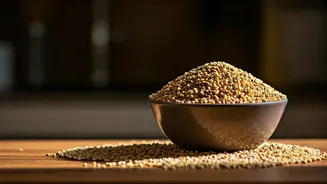
Cooking millets can sometimes seem intimidating, but a few simple tips can ensure perfect results every time. The most crucial step is to soak the grains. Soaking millets for at least 4-6 hours, or even overnight, helps to break down phytic acid, making them easier to digest and improving nutrient absorption. [8, 15, 16] The water-to-grain ratio is also key. For a fluffy, rice-like texture, a 1:2 ratio (one part millet to two parts water) generally works well for most millets like foxtail. [3, 8] For a creamier, porridge-like consistency, you can increase the water to a 1:3 or 1:4 ratio. [3, 16] To enhance the flavour, try dry roasting the millets in a pan for a few minutes before adding water; this brings out a wonderful nutty aroma. [3, 8] Finally, after cooking, let the millets rest, covered, for about 10 minutes. This allows them to absorb any remaining moisture and results in a better texture. [16, 18]