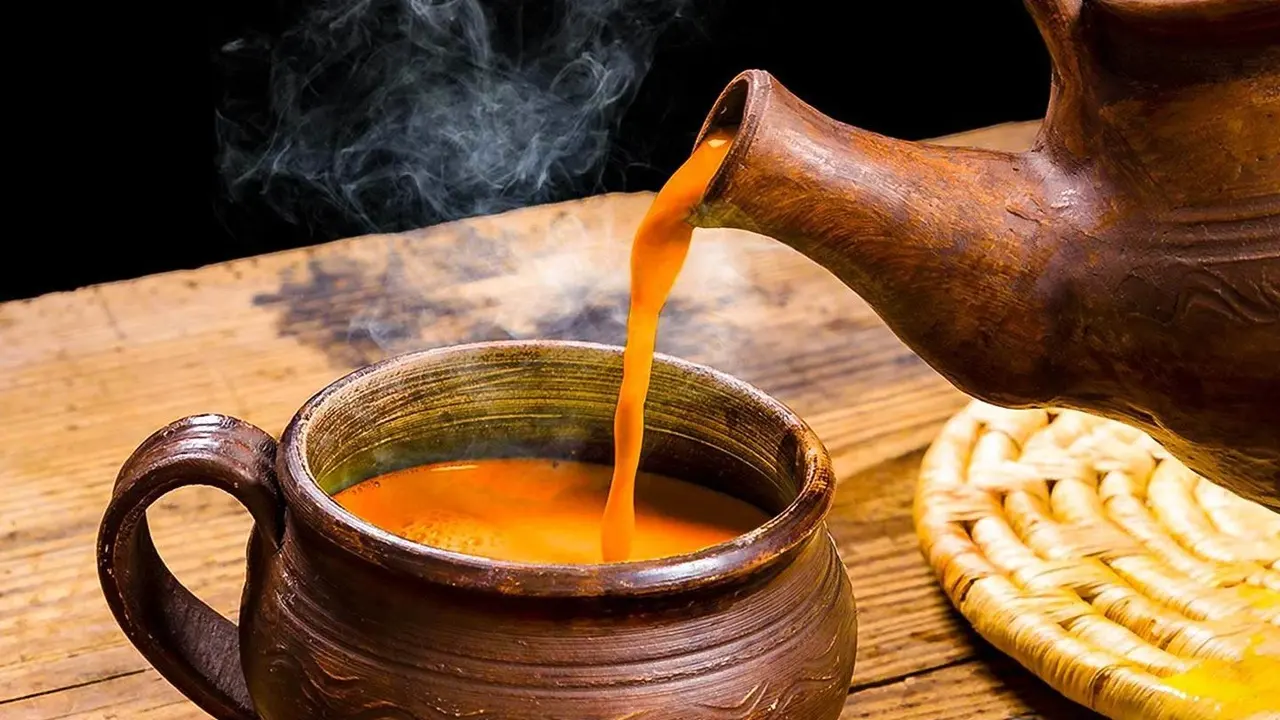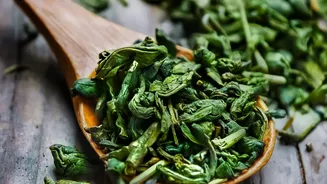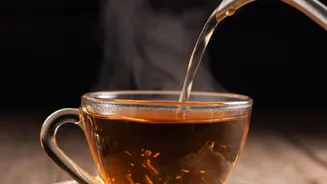


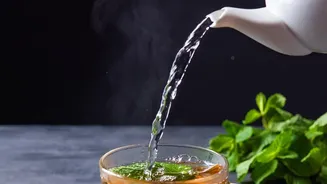

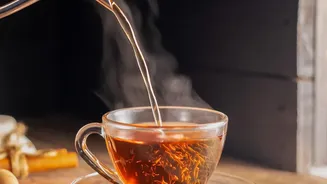
For a nation that runs on chai, the perfect cup of tea is a daily ritual. But what if a few simple habits are standing between you and the best possible flavour? It’s time to unlearn some common myths and elevate your daily brew.
Misconception: All Tea Needs Boiling Water
It’s a common reflex to
use scorching, fully boiled water for every cup of tea, but this is often the biggest mistake. While robust black teas, masala chai, and many herbal infusions benefit from a rolling boil (95-100°C), more delicate leaves are easily burned. Using water that’s too hot on green and white teas scorches the leaves, destroying their complex, subtle notes and releasing excess tannins, which results in a bitter, astringent taste. For green teas, aim for water between 75-80°C. For white teas, a slightly warmer 80-85°C is ideal. If you don’t have a temperature-controlled kettle, simply let the boiled water cool for a couple of minutes before pouring.
Misconception: The Longer You Steep, The Stronger The Flavour
While it seems logical that a longer steeping time would produce a more flavourful cup, it often just creates a stronger, more bitter one. Over-steeping is a primary cause of bitterness, as it allows too many tannins to be released from the leaves. Each tea type has an optimal brewing time to extract its best flavours without becoming harsh. Generally, black teas steep well for 3-5 minutes, while delicate green teas are often perfect after just 1-3 minutes. Instead of steeping for longer to get a stronger taste, try using more tea leaves. This will give you a richer brew without the unwanted bitterness. And if you're using high-quality loose leaf tea, many varieties are designed to be steeped multiple times, with each infusion revealing new layers of flavour.
Misconception: Squeezing the Tea Bag Gets Every Last Drop of Flavour
In a hurry, it’s tempting to press a tea bag against the side of the mug with a spoon to get a darker colour and stronger brew faster. However, this common practice is a fast track to a bitter cup. That last bit of liquid you're forcing out is full of tannic acid, which imparts a harsh, astringent taste. Squeezing the bag doesn’t just release flavour; it releases the bitter compounds that are best left inside the leaves. It also increases the risk of tearing the bag, leading to a mug full of tea dust. For a smoother, more balanced cup, simply lift the tea bag out after it has finished steeping and let it drip for a moment.
Misconception: It Doesn’t Matter How You Store Your Tea
Tea leaves are more delicate than they appear and are highly susceptible to their environment. The biggest enemies of fresh tea are air, heat, light, and moisture. Storing your tea in a clear glass jar on the kitchen counter might look pretty, but light exposure will degrade the leaves and diminish their flavour. Similarly, keeping tea near the stove or kettle exposes it to heat and steam, which can ruin its delicate aromatic compounds. Tea is also highly absorbent and can pick up strong odours from nearby spices or foods. The best practice is to store tea in an opaque, airtight container in a cool, dark, and dry place like a pantry or cupboard.
Misconception: Adding Milk First vs. Last Makes No Difference
This is one of the most enduring debates in the tea world, with passionate arguments on both sides. Historically, milk was poured first to prevent hot tea from cracking fragile porcelain cups. The 'tea-first' camp argues that it allows you to judge the brew's strength before deciding how much milk to add. Scientifically, there is a slight case for adding milk first. Pouring hot tea into cold milk allows the milk proteins to heat up more gently and evenly, which can result in a smoother texture. However, in blind taste tests, most people can't reliably tell the difference. Ultimately, this one comes down to personal preference and ritual. Whether you're a 'milk-first' or 'tea-first' person, the most important thing is that you enjoy your cup.