

A Game-Changing Discovery
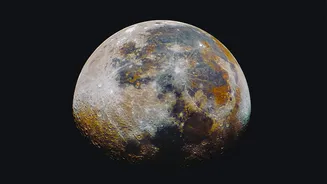
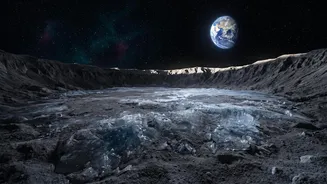
For decades, scientists have theorised about the presence of water on the Moon, hidden away in permanently shadowed craters at the poles where sunlight never reaches. India's Chandrayaan-1 mission provided some of the first crucial evidence back in 2008,
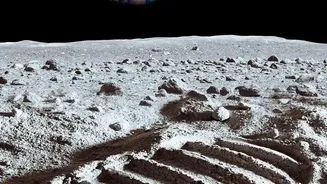
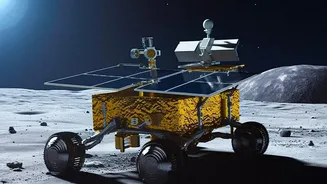
fundamentally changing our understanding of the lunar environment. Now, advanced orbital sensors have confirmed not just the presence, but the significant volume of these ice deposits in regions near the lunar south pole. This confirmation is more than just a scientific curiosity; it is the cornerstone of a new era in space exploration, one driven by the concept of 'in-situ resource utilization' (ISRU)—the ability to live off the land. Instead of hauling everything from Earth at enormous cost, future missions can source vital supplies directly from the Moon itself.
From Water Ice to Rocket Fuel
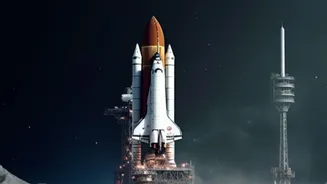
The true value of this lunar water lies in its chemical composition: H2O. Through a process called electrolysis, an electric current can split water molecules into their constituent parts: hydrogen and oxygen. When cryogenically cooled into liquid form, these two elements become one of the most powerful and efficient chemical rocket propellants known. Essentially, the Moon is sitting on a massive, frozen reservoir of rocket fuel. This capability completely alters the economics of space travel. The heaviest part of any deep space mission is the fuel required to leave Earth's gravity and then travel to a destination like Mars. By manufacturing propellant on the Moon—which has only one-sixth of Earth's gravity—future missions could launch from our home planet with less fuel, stop at a lunar base to top up their tanks, and then proceed into the solar system. The Moon is no longer just a cratered rock; it's a cosmic petrol pump.
The Dawn of the Lunar Economy
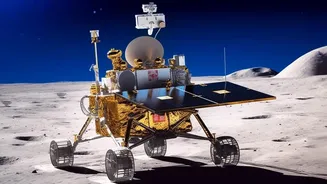
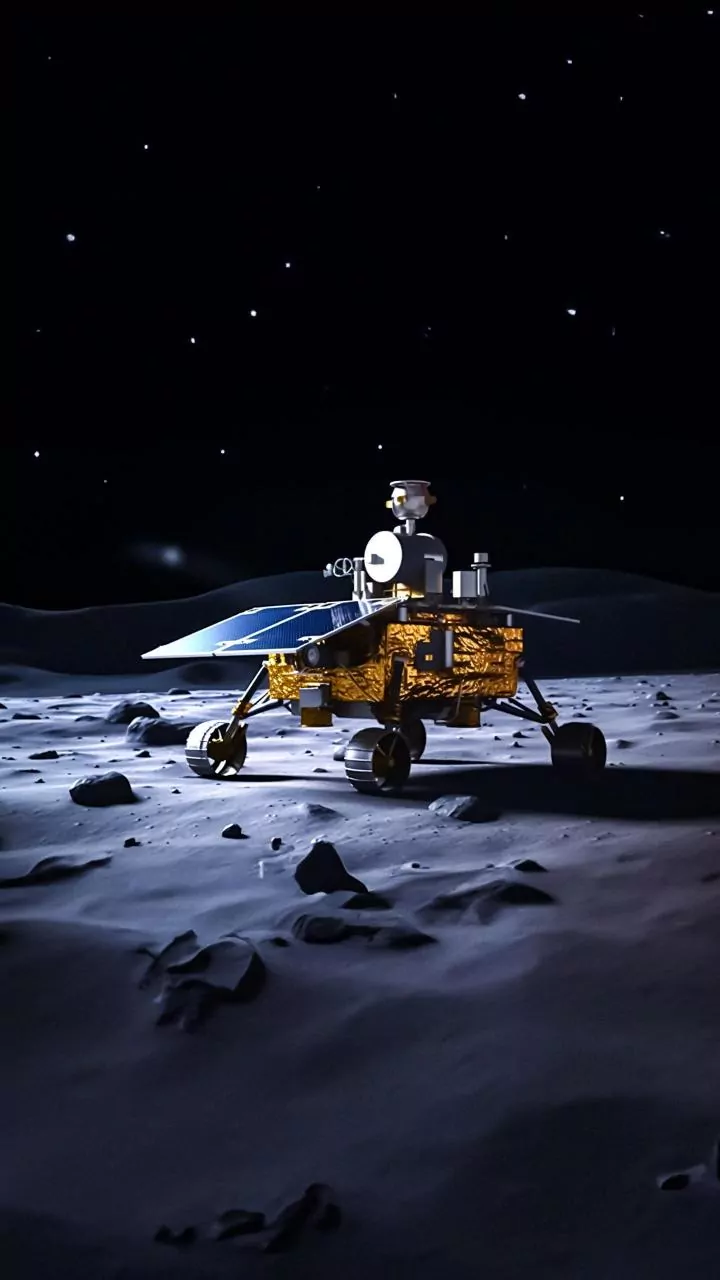
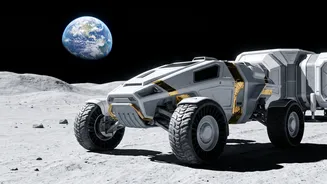
This discovery lights the fuse for a potential lunar economy. Recent analysis suggests that a functional lunar economy could generate hundreds of billions of dollars in economic value by 2050, with transportation being the largest early market. The ability to refuel in orbit or on the lunar surface dramatically reduces the cost of everything that follows, from building long-term habitats to launching scientific probes to the outer planets. Private companies are already developing technologies for mining and processing these resources. While the initial investment in building the necessary infrastructure—mining rovers, processing plants, and liquefaction facilities—will be immense, the long-term payoff is transformative. A reliable source of lunar propellant could make missions to Mars cheaper, more frequent, and more ambitious.
India's Pivotal Role in the New Space Race
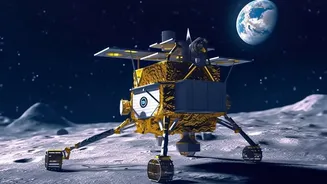
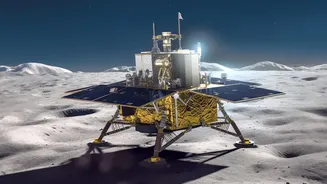
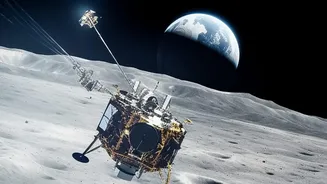
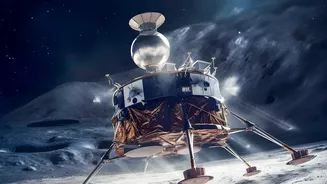
This development holds special significance for India. ISRO's Chandrayaan missions were instrumental in the global effort to find lunar water. Chandrayaan-1 carried the NASA instrument that first definitively confirmed water molecules, and Chandrayaan-3’s historic landing in the south polar region in 2023 placed India at the geographic heart of these precious resources. More recent analyses of data from the Chandrayaan-2 orbiter's advanced radar have suggested the presence of stable, underground ice deposits. This legacy of discovery positions India not as a bystander, but as a key player in the coming era of lunar development. As the world pivots from exploration to utilization, India's experience and scientific data from its successful missions provide a critical advantage in the race to unlock the Moon's resources.