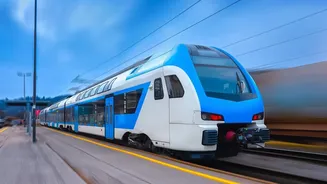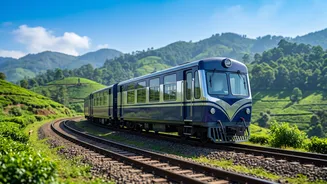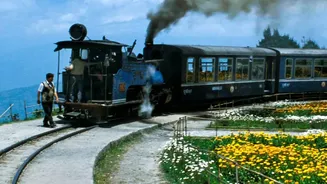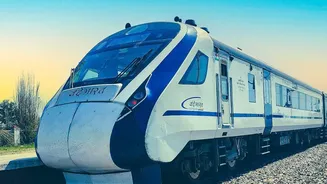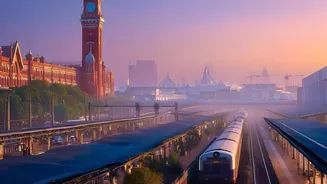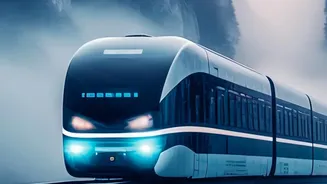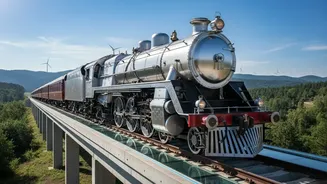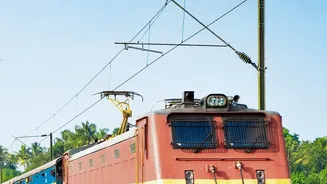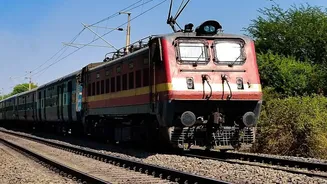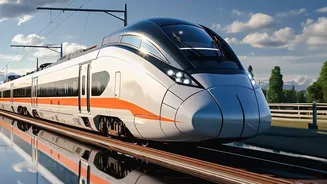



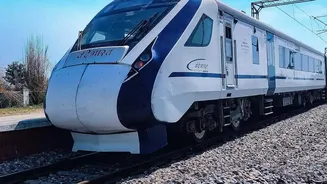
Indian Railways is steering its iconic heritage routes into a green future. The 'Hydrogen for Heritage' program is not just a technological upgrade; it's a visionary step to power vintage trains with advanced, zero-emission hydrogen fuel cells.
What is 'Hydrogen for Heritage'?
The 'Hydrogen
for Heritage' initiative is a pioneering project by Indian Railways to run trains on some of its most scenic and historic lines using clean hydrogen power. The core idea is to retrofit existing diesel-powered trains, particularly those on heritage routes where electrification is difficult or undesirable, with hydrogen fuel cell systems. This allows the classic charm of these journeys to be preserved while eliminating carbon emissions and reducing noise pollution. The initial phase of this program targets several iconic narrow-gauge and meter-gauge routes, turning them into showcases for sustainable tourism and green technology. The program supports India's broader national goal of achieving net-zero emissions and becoming a leader in green hydrogen technology.
How Do These Green Trains Work?
Instead of burning diesel, these trains use hydrogen fuel cells to generate electricity on board. The process is a clean chemical reaction. Highly compressed hydrogen stored in tanks on the train is combined with oxygen taken from the air. This reaction within the fuel cell stack produces two things: electricity to power the train's motors and pure water vapour, which is the only emission. There is no combustion, no smoke, and no greenhouse gases. This technology makes the train significantly quieter than its diesel counterparts, enhancing the passenger experience, especially on tranquil heritage circuits. A dedicated facility in Jind, Haryana, handles hydrogen production through electrolysis, storage, and refuelling, creating an entire ecosystem for these operations.
The Inaugural Run and Future Routes
India's first hydrogen-powered train began commercial operations in July 2026 on the 89-kilometre Jind-Sonipat section in Haryana. While not a heritage route itself, this pilot project was crucial for testing the technology, safety systems, and operational viability under real-world Indian conditions. The experience gained from the Jind-Sonipat line is foundational for the broader 'Hydrogen for Heritage' rollout. The initial plan outlines the deployment of about 35 hydrogen trains across several beloved heritage routes. These include the historic Kalka-Shimla Railway, the Darjeeling Himalayan Railway, the Nilgiri Mountain Railway, and other scenic lines that are currently reliant on diesel locomotives.
A Boost for 'Make in India'
This green railway revolution is also a significant achievement for India's domestic manufacturing capabilities. The first hydrogen train, known as the Namo Green Rail, was designed and developed entirely in India by the Integral Coach Factory (ICF) in Chennai, in line with the 'Atmanirbhar Bharat' vision. The project involves retrofitting existing Diesel Electric Multiple Unit (DEMU) rakes with fuel cells, a complex engineering feat accomplished locally. By developing this technology indigenously, India joins a select group of nations with operational hydrogen trains, including Germany and Japan, positioning itself as a potential exporter of green rail technology in the future.
Challenges and the Road Ahead
While the promise of hydrogen trains is immense, there are challenges to address for wider adoption. The primary hurdles are the high cost of producing green hydrogen and the need to build a robust, nationwide infrastructure for its storage and refuelling. Currently, the operational speed of the pilot train is maintained around 75 kmph, though it has been successfully tested at speeds up to 120 kmph. Indian Railways is actively exploring ways to bring down the cost of green hydrogen by providing offtake assurances to manufacturers. The success of the initial heritage routes will be a critical factor in determining the pace and scale of expanding hydrogen-powered mobility across the vast, non-electrified sections of India's railway network.