





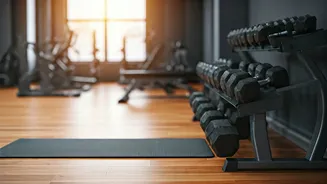



The Modern Professional’s Dilemma
Long hours hunched over a laptop, back-to-back meetings, and the constant pressure of deadlines can leave little time or energy for the gym. The result is predictable: mounting stress, declining energy levels, and a host of posture-related aches and pains.
[3, 8] Traditional workout plans often fail because they aren't designed for this reality. They demand too much time and don't address the specific physical challenges of a sedentary work life, such as tight hips, a weak core, and rounded shoulders. [3, 8, 12] A truly practical routine for a professional isn't about spending hours in the gym; it's about making every minute count. [13]
The Philosophy: Maximum Results, Minimum Time
The key to an effective routine for busy people is to prioritize efficiency. This is achieved by focusing on two core principles: compound movements and a full-body approach. [7, 16] Compound exercises are multi-joint movements like squats, deadlifts, and rows that work several muscle groups simultaneously. [16] This gives you more bang for your buck, burning more calories and building more overall strength than isolation exercises (like bicep curls) in a fraction of the time. [5, 22] Paired with a three-day-a-week full-body split, this approach keeps your body in a near-constant state of muscle protein synthesis—the process of repair and growth—while allowing for crucial recovery on off days. [15] This structure is ideal for professionals, offering flexibility and maximising results from just three focused sessions per week. [18]
The 3-Day Full-Body Split
This routine is built around three 45-60 minute workouts per week, performed on non-consecutive days (e.g., Monday, Wednesday, Friday) to allow for adequate recovery. [15] Each day you will train your entire body, but with slight variations in the exercises to ensure balanced development and prevent plateaus. The goal is quality over quantity; focus on proper form and progressive overload (gradually increasing the weight, reps, or sets over time). Remember to schedule these workouts in your calendar like non-negotiable appointments to ensure consistency. [9, 10]
Workout A: Foundational Strength
This session focuses on fundamental compound lifts. Perform 3-4 sets of each exercise.
* **Barbell Squats (8-12 reps):** The king of lower-body exercises, this works your quads, glutes, hamstrings, and core. [3]
* **Dumbbell Bench Press (8-12 reps):** A great chest builder that also strengthens your shoulders and triceps. [14]
* **Bent-Over Rows (8-12 reps):** This is crucial for building a strong back and correcting the slouching posture common in desk workers. [3, 12]
* **Overhead Press (8-12 reps):** Builds strong, stable shoulders.
* **Plank (3 sets, hold for 30-60 seconds):** Develops core stability, which is essential for protecting your lower back. [1, 3]
Workout B: Power and Posture
This workout introduces different movement patterns to round out your strength and continue to address postural issues. Perform 3-4 sets of each exercise.
* **Romanian Deadlifts (8-12 reps):** Targets the entire posterior chain, especially the hamstrings and glutes, which can become weak from prolonged sitting. [8]
* **Pull-Ups or Lat Pulldowns (6-10 reps):** Develops upper back width and strength, pulling the shoulders back into a healthier position. [21]
* **Dumbbell Lunges (10-12 reps per leg):** A functional exercise that improves balance, hip mobility, and single-leg strength. [18]
* **Band Pull-Aparts (15-20 reps):** An excellent accessory exercise to strengthen the weak muscles of the upper back and improve shoulder health. [8]
* **Hanging Knee Raises (3 sets, 10-15 reps):** A fantastic core exercise that targets the lower abdominals.
Making It Stick: Tips for Success
The best routine is the one you can stick with. To ensure long-term success, go to the gym straight from work to avoid the temptation of the sofa at home. [2] Pack your gym bag the night before so you have one less excuse. [2] On your off days, focus on staying active in small ways: take walking meetings, choose the stairs, or perform simple stretches at your desk like chin tucks and shoulder blade squeezes to combat postural strain. [6, 11, 24] Finally, be realistic. Some days a 15-minute high-intensity interval training (HIIT) session is better than nothing at all. [1, 9] The goal is consistency, not perfection. [13]