






The Allure of the 'Shoulder Season'
In the past, the Indian travel calendar was largely defined by two major peaks: summer holidays and the year-end festive rush. However, a significant shift is underway. The post-monsoon period, from September to November, once considered a quiet 'shoulder
season', is now booming. Travel experts point to a combination of factors driving this trend. The weather is a major drawcard; with the heavy rains gone and the winter chill yet to set in, most of the country enjoys pleasant, bright days perfect for sightseeing. This period also neatly coincides with a series of festivals like Ganesh Chaturthi, Navratri, Dussehra, and Diwali, creating several long weekend opportunities for quick escapes or combining holidays with family celebrations. For many, the appeal is also practical: fewer crowds and more competitive prices for flights and hotels compared to the peak December season mean better value for money.
Domestic Escapes: India in Full Bloom
After the rains, India's landscapes are at their most vibrant, making it an ideal time for domestic travel. Hill stations across the country, from Munnar and Wayanad in Kerala to Shimla and Dharamshala in Himachal Pradesh, are wrapped in mist and stunning greenery. The tea plantations of Munnar and Coorg glisten, while waterfalls are in their full glory. It’s also a final window to visit high-altitude deserts like Spiti Valley before winter snow closes the roads. For those seeking culture and history, the cooler temperatures make exploring the majestic forts and palaces of Rajasthan a far more comfortable experience. In states like West Bengal, October is synonymous with the grandeur of Durga Puja, offering a unique cultural immersion. Even popular beach destinations like Goa and the Andamans become more inviting as the skies clear, offering a perfect blend of relaxation and adventure before the peak tourist season begins.
Going Global: Short-Haul and Big Adventures
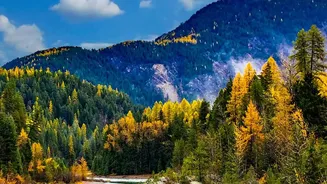
The autumn travel bug isn't limited to domestic trips. Indian travellers are increasingly looking abroad during this period, often favouring destinations that offer good value and easy accessibility. Southeast Asian countries like Vietnam, Thailand, and Indonesia are particularly popular, as they enter their dry season with pleasant weather and fewer tourists. Simplified visa processes for several of these nations have also made spontaneous short-haul international breaks more feasible. For those planning bigger trips, autumn in Europe offers a picturesque backdrop of golden foliage without the intense summer heat or crowds. Destinations in the Middle East like Dubai also become more pleasant as temperatures cool down. This trend reflects a broader shift where travellers are taking multiple shorter international holidays throughout the year rather than just one long annual vacation.
The Rise of Quick Getaways and Experiential Travel
Not every trip has to be a grand expedition. The increase in long weekends during the autumn months has fuelled a boom in short breaks. Many are opting for quick two- or three-day getaways to nearby hill stations, wellness retreats, or resorts. This trend is part of a larger movement towards 'experiential travel', where the goal is not just to see a place but to engage with it. This could mean a weekend dedicated to a food trail, a paragliding adventure in Bir Billing, or a stay at a unique, design-led hotel that becomes a destination in itself. Mountain getaways, in particular, are becoming year-round retreats for peace and perspective, moving beyond just being winter destinations. Travellers are prioritising meaningful experiences that offer a real break from busy urban life, and the serene autumn season provides the perfect setting for it.