
From 'Lentil Pancake' to Pesarattu
Scroll through Instagram or TikTok, and you will find a vibrant, endless buffet of Indian food. Beyond the usual butter chicken and naan, lesser-known regional gems are finally getting the spotlight. We see cinematic videos of Maharashtrian pithla-bhakri,
Bengali shorshe ilish, and specialties from every corner of the country. This exposure is fantastic, introducing a global audience to the incredible diversity of Indian cuisine. However, there’s a recurring issue. A vibrant, green crepe from Andhra Pradesh, made from moong dal, is flattened into a generic “lentil pancake.” A spicy potato dish from the hills of Uttarakhand, Aloo Ke Gutke, might be described simply as “spicy fried potatoes.” While these descriptions aren't technically wrong, they are culturally incomplete. They strip the dish of its identity, its origin, and its soul. The name ‘Pesarattu’ carries with it a specific method, a regional heritage, and a breakfast tradition. ‘Lentil pancake’ is just a description of ingredients.
Why 'Indian Nachos' Is Not a Compliment
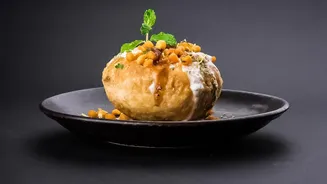
Content creators, in a bid to make food more accessible or searchable, often resort to comparisons. Papdi Chaat becomes “Indian nachos,” and a fluffy Dhokla is simplified to a “savory chickpea cake.” The intention may be to bridge a cultural gap, but the result is often a form of erasure. Food is more than a list of ingredients; it’s a story. Chaat, with its explosion of textures and flavours from chutneys, yogurt, and spices, has a history rooted in the bustling streets of North India. Calling it “nachos” ignores this rich narrative. This isn't just about semantics; it’s about respect. Using anglicized, generic names or clumsy comparisons can perpetuate the idea that the original name is too complex or not worthy of being learned. It positions a rich culinary tradition as something that needs to be simplified for a Western-centric palate, rather than being appreciated on its own terms. As has been argued in discussions about other world cuisines, like the Fufu Challenge, context is sacrificed for clicks.
The Algorithm's Appetite for Simplicity
Social media platforms play a significant role in this phenomenon. Algorithms often favor simple, English-language keywords that are easily searchable. A creator might find that a video titled “Easy Lentil Soup” gets far more views than one accurately named “Dal Tadka.” This creates an incentive for creators, including many from India, to flatten their own culture for better engagement. The focus shifts from authentic representation to what will perform best. The question for a creator becomes, “Will this stop someone from scrolling?” rather than “Does this honour the food's origin?” Dishes become trends, judged more on their visual appeal—their “camera eats first” quality—than their cultural significance. While this can bring short-term fame to a dish or a street vendor, virality is not the same as lasting respect. A trend fades, but the story and name of a dish are its legacy.
Reclaiming the Narrative, One Dish at a Time
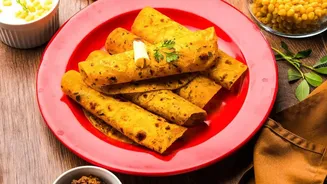
The solution lies with both creators and consumers. For food influencers, the path to respectful representation involves a simple but powerful step: use the correct name. If a dish is unfamiliar to your audience, explain it. Share the story behind it, the region it comes from, and what makes it special. This adds depth and value to the content, moving beyond just aesthetics. Foreign influencers like Jake Dryan have gained massive followings by doing just this, exploring dishes like Assamese mati dali and Gujarati theplas with genuine curiosity and respect for their origins. For those of us consuming this content, the responsibility is to be curious. Ask for the name. Look up the region. Instead of settling for “spicy rice cake,” learn about Poda Pitha from Odisha. This engagement signals to creators that context matters. It shows that we are interested not just in a pretty picture, but in the rich, diverse, and complex world of Indian food.