







The New Appetite for Authenticity
For years, India's culinary map was dominated by its metropolises: the kebabs of Delhi, the seafood of Mumbai, the biryani of Hyderabad. But a new trend is simmering. Travellers, both domestic and international, are increasingly bypassing these urban
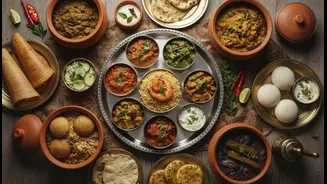
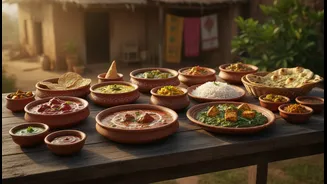
hubs in search of something more authentic. This shift is driven by a hunger for genuine, regional food traditions and immersive dining experiences that tell a story about a place and its people. The rise of food-focused social media, a growing interest in cultural preservation, and a post-pandemic surge in domestic travel have all contributed to this evolution. Food is no longer just a part of the trip; for a growing number of travellers, it's the main reason to go. As a result, culinary tourism is expanding into India's rural heartlands, creating a new map of gastronomic destinations.
The Eastern Promise: Odisha's Soul Food
Often flying under the tourist radar, Odisha is emerging as a paradise for food lovers. The state's cuisine is known for using less oil and spice than other regions, yet it remains deeply flavourful and is often connected to the spiritual traditions of the Jagannath Temple. Culinary trails here introduce travellers to dishes like Pakhala Bhata (a cooling fermented rice dish), Dalma (lentils cooked with vegetables), and the iconic baked cheese dessert, Chhena Poda. The experience goes beyond restaurants, with tours offering cooking classes, visits to bustling local markets in Cuttack and Bhubaneswar, and meals in community-run eco-camps. This focus on hyper-local experiences not only showcases the state's unique culinary heritage but also helps boost rural economies.
Flavours of the Northeast: Assam and Beyond
The Northeast is another frontier drawing adventurous eaters. Assam, in particular, offers a remarkable journey of tastes. Assamese cuisine has a unique philosophy, balancing distinct sour and alkaline flavours. Signature dishes include Masor Tenga, a light and tangy fish curry, and Khar, a preparation made using water filtered through banana peel ash. Travellers can explore tribal kitchens and learn about local ingredients like fermented bamboo shoots and ghost peppers. Tours often combine food with cultural experiences, taking visitors to tea estates, villages in Majuli island, and local markets to understand the deep connection between the land and its flavours.
Beyond the Backwaters: Hyper-Local Finds
Even in well-trodden states, travellers are digging deeper. In Tamil Nadu, the focus is shifting to specific regional cuisines like Chettinad, known for its fiery, aromatic spices and sun-dried meats. In the mountains of Uttarakhand, the simple, earthy Kumaoni cuisine, with dishes like Bhatt ki Churkani (black bean curry), is gaining attention. And in Karnataka, the culinary trail leads to Coorg for its famous Pandi Curry, a distinct pork dish flavoured with a local sour fruit. Boutique hotels and homestays are leading the charge, crafting dining programs rooted in regional memory and local produce. These experiences often include cooking classes and interactions with local families, offering a taste of food that rarely travels beyond home kitchens.
Tasting the Trend
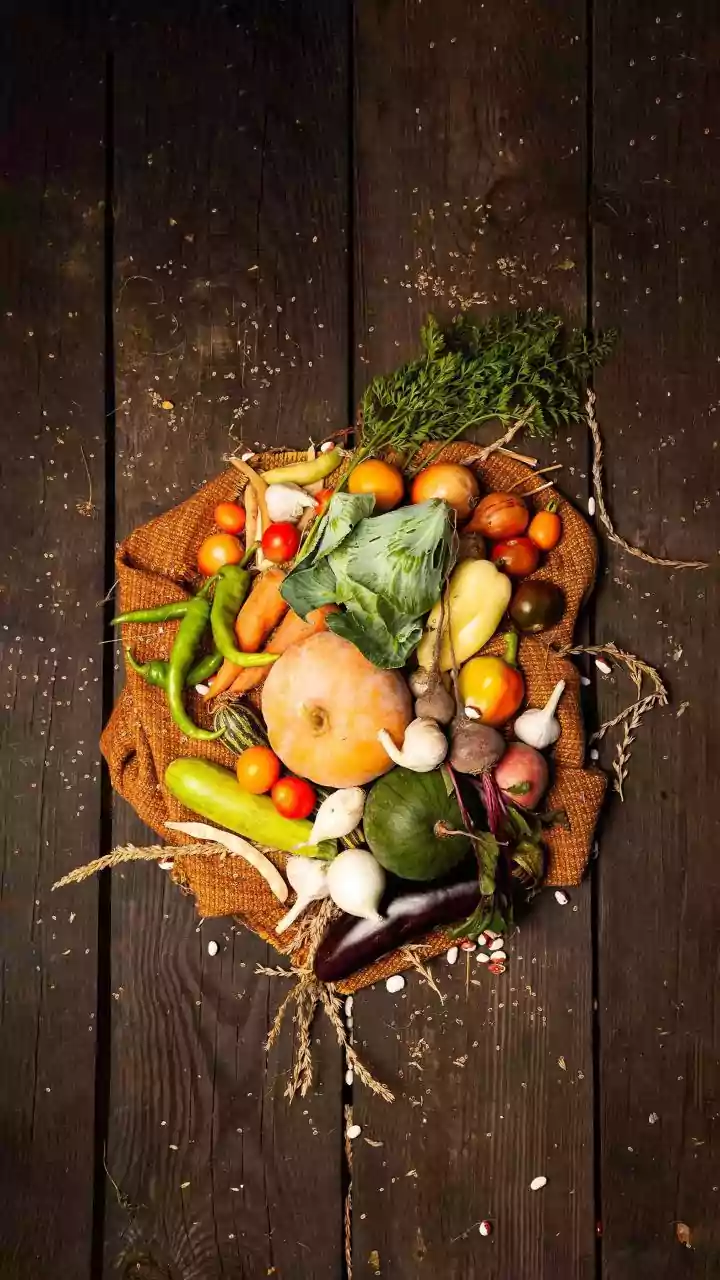
This movement towards hyperlocal food is more than a fleeting trend; it’s a reawakening to the incredible diversity of India's culinary heritage. It reflects a desire to connect with the source of our food, to understand the culture behind a dish, and to support local communities directly. Chefs are increasingly travelling to remote villages to learn forgotten recipes and discover rare ingredients, bringing them into contemporary dining in new and innovative ways. This approach not only preserves culinary traditions but also creates sustainable income streams for farmers and local producers. For the modern traveller, the journey is no longer just about seeing new places, but about tasting them in the most authentic way possible.