




Often overlooked in modern kitchens, the banana flower is a culinary gem hiding in plain sight. When paired with the humble grated coconut, this unique ingredient transforms, creating a symphony of textures and flavours that elevates savoury dishes.
An Introduction to the Banana Flower
The
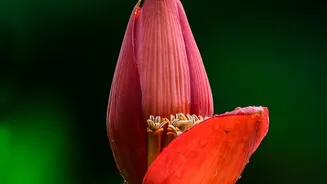
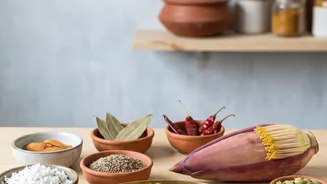
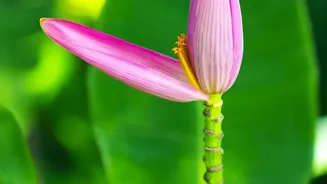
banana flower, also known as banana blossom or 'vazhaipoo' in parts of India, is the large, purplish, tear-shaped flower that grows at the end of a banana fruit cluster. Used widely in South and Southeast Asian cuisine, its texture is often compared to artichokes or palm hearts. On its own, the flower has a mild, subtly floral taste which can have astringent or bitter undertones. This is because of the sap and certain parts within the florets. While this might sound unappealing, its slightly starchy and fibrous consistency makes it an excellent vehicle for absorbing the flavours it's cooked with, and its unique texture adds wonderful complexity to a variety of dishes.
The Magic of Grated Coconut
Enter grated coconut, the perfect partner for the banana flower. In many traditional preparations, particularly in South India, coconut is not just an addition but a crucial component that balances and completes the dish. Freshly grated coconut provides a delicate sweetness, a rich creaminess from its natural fats, and a soft, moist texture. This trifecta of qualities works wonders against the banana flower’s more neutral and slightly bitter profile. The coconut’s sweetness mellows any astringency, while its fat content adds a satisfying richness, transforming the flower from a simple vegetable into a truly delectable ingredient.
A Culinary Match Rooted in Tradition
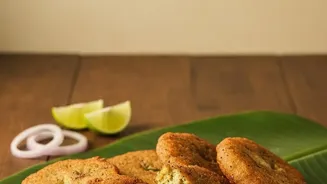
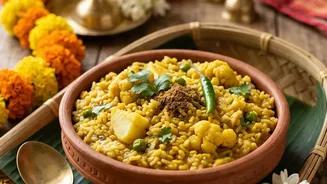
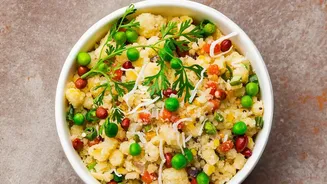
The pairing is the foundation for many beloved traditional dishes. A classic example is 'Vazhaipoo Poriyal' or 'Thoran', a simple stir-fry popular in Tamil Nadu and Kerala. In this dish, finely chopped banana flower is cooked with tempered spices like mustard seeds and curry leaves, and then finished with a generous amount of grated coconut. The coconut not only cuts through the flower's slight bitterness but also absorbs excess moisture, resulting in a delightfully textured, savoury side dish that is a staple accompaniment to rice. This combination is also found in chutneys and even savoury pancakes, showcasing its versatility.
Demystifying the Preparation
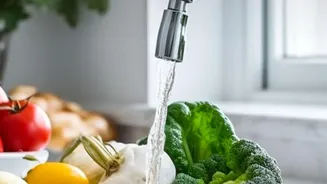
Preparing a banana flower can seem intimidating, but it's a straightforward process. The key is to work quickly to prevent oxidation, which can turn the flower brown. It helps to rub your hands and knife with a little oil to avoid staining from the sticky sap. You begin by removing the tough, outer purplish leaves, called bracts. Underneath each bract, you'll find a row of small florets. These tiny florets contain a tough, matchstick-like pistil and a small, scaly outer petal, both of which should be discarded as they can be bitter and tough. Once you reach the tender, pale heart of the blossom, the entire core can be chopped. All the cleaned parts should be immediately immersed in acidic water (like water with lemon juice, vinegar, or buttermilk) to prevent browning and reduce bitterness.
A Powerhouse of Nutrition
Beyond its culinary appeal, the combination of banana flower and coconut offers significant health benefits. Banana flowers are a fantastic source of dietary fibre, both soluble and insoluble, which aids in digestion and promotes gut health. They are also rich in essential minerals like potassium, calcium, magnesium, and iron, as well as antioxidants. When paired with coconut, which provides healthy fats and its own set of minerals, the resulting dish is a nutrient-dense powerhouse. Traditional wisdom often points to banana flower as beneficial for menstrual wellness and managing blood sugar levels, though more research is needed to fully substantiate these claims.