




The Science of the Soggy Spice Box
The primary culprit behind clumpy spices is moisture. Most ground spices are 'hygroscopic', meaning they naturally absorb moisture from the air. During the monsoon, when relative humidity can soar to between 70% and 95%, this process goes into overdrive.
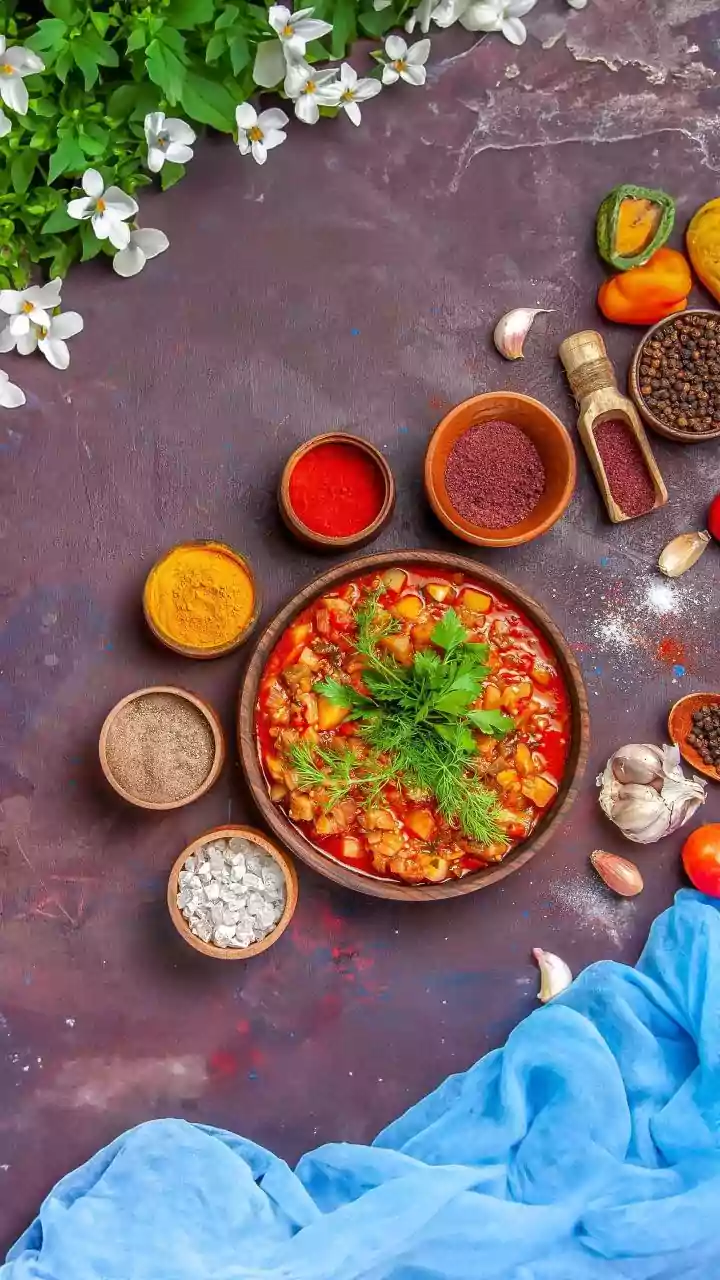
Fine powders like turmeric, red chilli, and coriander have a large surface area, making them particularly vulnerable. As they absorb water, the particles dissolve slightly, become sticky, and then harden into lumps, sealing away their aroma and flavour. Shaking a spice jar over a steaming pot accelerates this problem, introducing a direct blast of moisture that can ruin the contents almost instantly. This not only makes them difficult to use but also creates a breeding ground for mould, posing a food safety risk.
The Power of Pastes
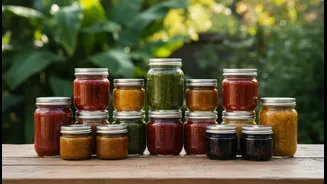
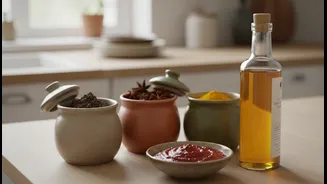
One of the most effective ways to gain control is by shifting from powders to pastes. Condiments like ginger-garlic paste, tamarind concentrate, and chilli paste are less susceptible to the effects of ambient humidity. Their flavour is locked within a semi-liquid, often oil-based medium that acts as a protective barrier. Pastes deliver a more intense and immediate flavour burst because their components are already 'active' and don't require rehydration. Frying a spoonful of curry paste, for example, liquefies the oil, allowing it to coat other ingredients evenly without clumping. While they may have a shorter shelf life than bone-dry powders, storing them in the refrigerator ensures they remain potent and ready to use, providing consistent flavour every time.
Infused Oils for Flavour Without Fuss
Another excellent strategy is to use infused oils. These are made by steeping ingredients like garlic, chillies, or herbs in oil, transferring their flavour into a stable, moisture-free base. A drizzle of chilli-garlic oil can elevate a simple dal or sabzi without introducing any powder that could clump. These oils are simple to make at home: gently heat ingredients in a carrier oil like olive or even peanut oil, let them infuse, and then strain. For safety and freshness, especially when using fresh ingredients like garlic, it's best to store homemade infused oils in the refrigerator and use them within a week or so. They provide a clean, potent flavour and can be used as a finishing touch or as a cooking medium, giving you precise control over the final taste of your dish.
Embrace Traditional Dry Chutneys
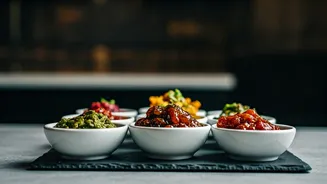
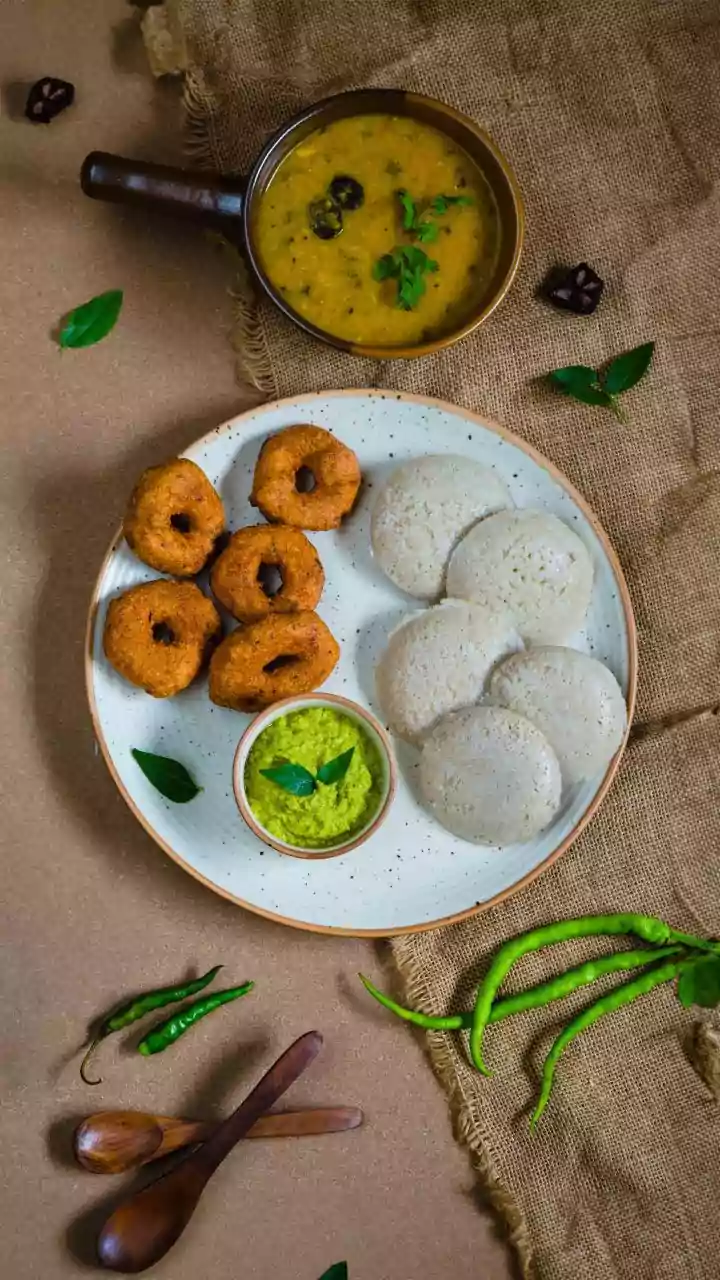
Don't overlook the wisdom of traditional Indian 'podis' or dry chutney powders. While they are powders, their composition makes them far more resilient to humidity than simple spices. Varieties like peanut, sesame, flaxseed, and mixed dal chutney powders are typically coarse-ground and contain a significant amount of natural oils from their ingredients. This oily, coarse texture reduces the surface area exposed to air and resists moisture absorption. Often made by dry-roasting lentils, spices, and other ingredients before grinding, these podis have a long shelf life and are incredibly versatile. A spoonful mixed with ghee or oil serves as a perfect, instant accompaniment to idli, dosa, or hot rice, providing complex flavour on demand.
Smart Storage Still Matters
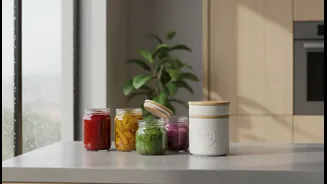
Regardless of the condiment, smart storage is non-negotiable during the monsoon. Always use high-quality, airtight containers—glass jars are often recommended as they are less porous than plastic. Never leave packets open and transfer contents to a sealed jar immediately after purchase. Keep your spice cabinet away from the stove, sink, and any windows to protect them from steam and temperature fluctuations. For powdered spices you can't live without, adding a few grains of uncooked rice or some dried beans to the jar can help absorb any excess moisture that does get in. And always, always use a completely dry spoon.