


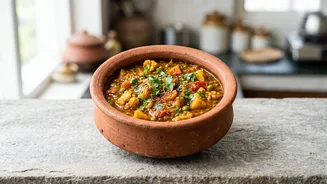
A Naturally Non-Toxic Choice
One of the most compelling reasons for the revival of clay pot cooking is its chemical-free nature. Unlike many modern non-stick pans which can release synthetic chemicals like PFOA and PTFE when overheated, pure, unglazed clay is an entirely natural
material. This means there is no risk of harmful substances leaching into your food. However, the key is to choose wisely. It is crucial to source high-quality, unglazed pots from reputable sellers to avoid potential contaminants like lead, which can sometimes be found in low-quality glazes or impure clay. True, non-toxic cookware is made from pure, primary clay without any chemical additives or coatings, ensuring what you eat is as wholesome as nature intended.
The Science of Gentle Heat and Nutrient Protection
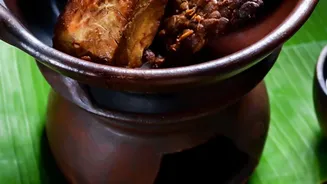
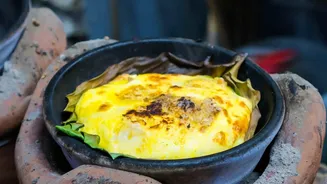
The magic of clay lies in its physical properties. Clay is porous and a natural insulator, meaning it heats up slowly and distributes that heat evenly. This prevents the hot spots common in metal pans, which can burn food and destroy delicate nutrients. The slow, gentle cooking process is particularly kind to heat-sensitive vitamins, such as Vitamin C and various B vitamins, which are often lost during high-temperature cooking. The porous nature of clay allows it to absorb water, which then turns to steam during cooking. This creates a moist, self-basting environment that circulates heat and flavour, cooking food in its own juices.
More Flavour with Less Oil
The constant circulation of steam inside a clay pot does more than just protect nutrients; it also locks in moisture and enhances flavour. This natural tenderness means you can use significantly less oil, making your meals lighter and healthier without sacrificing taste. The earthy aroma of the pot itself can impart a subtle, unique flavour that can't be replicated in metal cookware. Furthermore, clay is naturally alkaline. This property helps to balance the pH of acidic ingredients like tomatoes or tamarind, resulting in a dish that is not only milder and more balanced in flavour but also potentially easier to digest.
Connecting with a Timeless Tradition
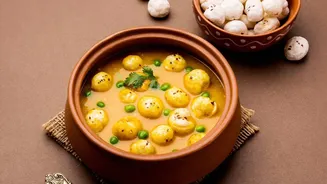
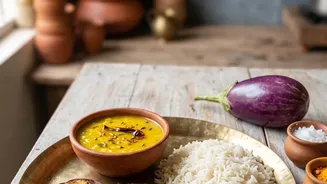
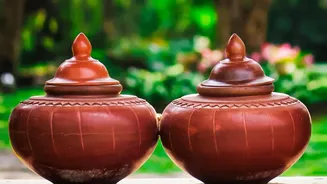
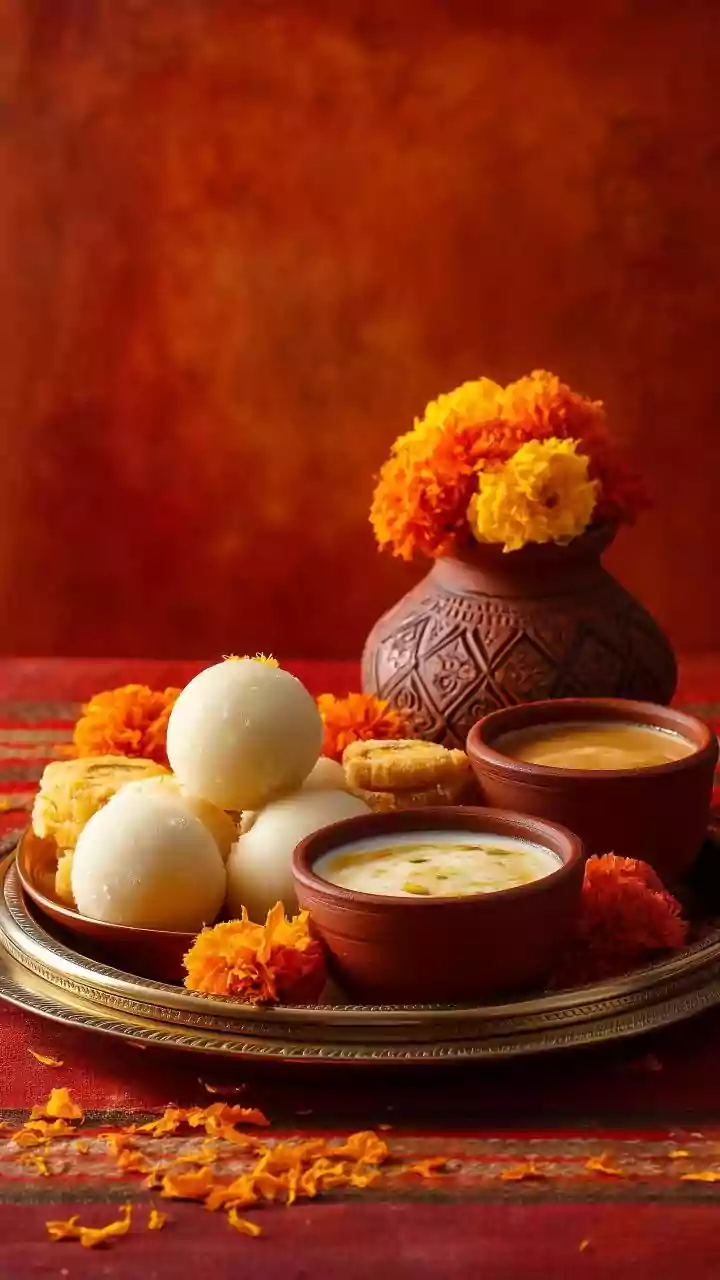
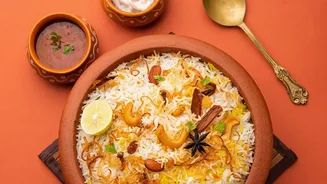
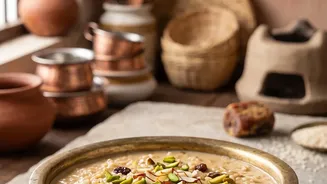
Using clay cookware is about more than just health benefits; it's a connection to a culinary heritage that spans thousands of years and crosses countless cultures. In India, clay pots like the 'handi' or 'matka' have been central to cuisine for centuries, prized for their ability to slow-cook dishes like biryani and dal to perfection. This tradition, rooted in Ayurvedic principles, values clay for its ability to preserve the food's natural qualities. Embracing this ancient technique is also an environmentally friendly choice. Clay is a natural, biodegradable resource, and its production often involves a minimal carbon footprint compared to industrially manufactured cookware.
How to Choose and Care for Your Clay Pot
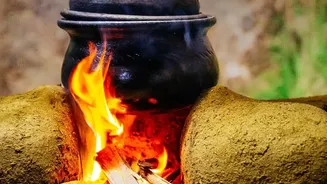
To get the most out of earthenware, a little care is required. Always opt for unglazed, heavy pots, as these are less likely to crack and are free from chemical glazes. Before its first use, a new pot typically needs to be seasoned, which usually involves soaking it in water for several hours and then allowing it to dry completely. This strengthens the pot and prevents food from sticking. When cooking, avoid sudden temperature changes—don't place a cold pot on a high flame. For cleaning, use hot water and a gentle brush instead of harsh soaps, which can get absorbed into the porous clay. Finally, always let your pot air dry completely before storing it to prevent any mould growth.