



What Exactly Is Sourdough Discard?
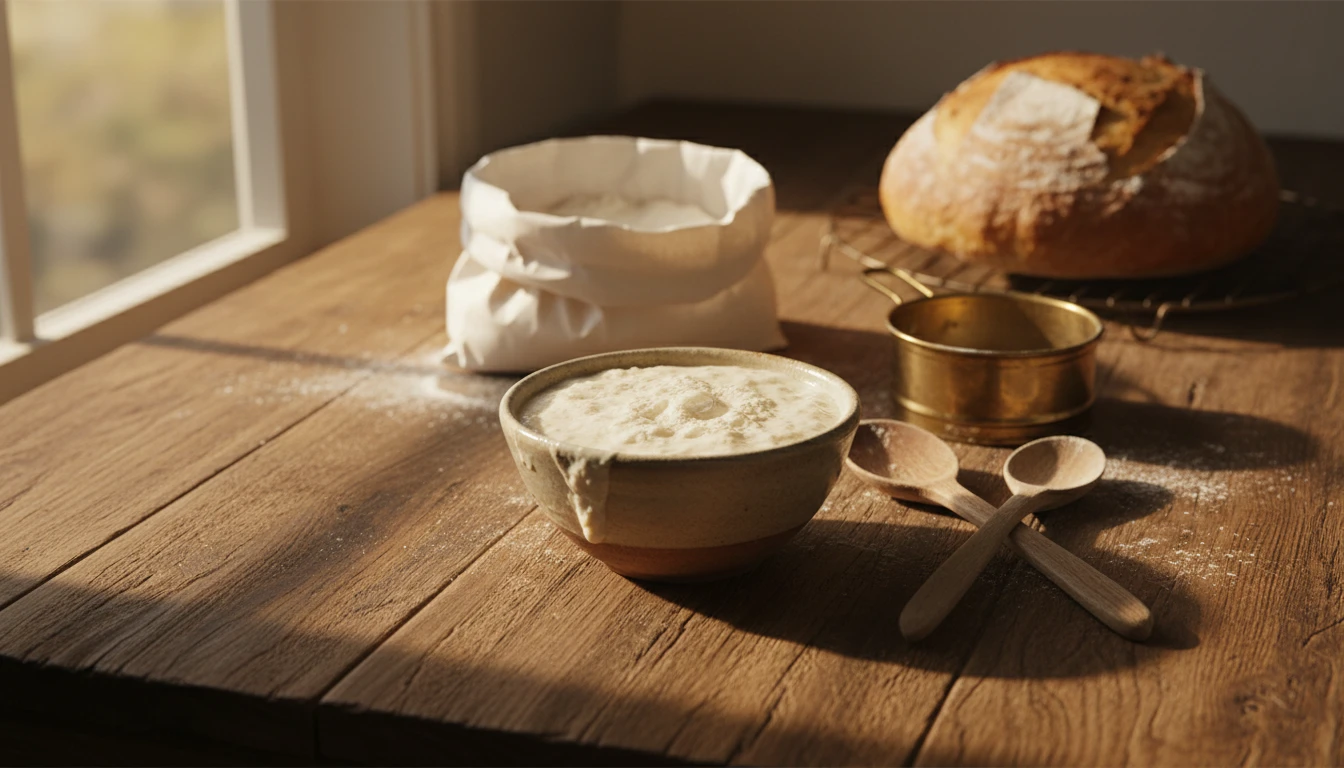
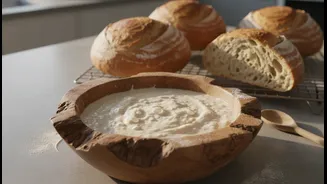
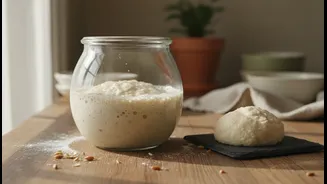
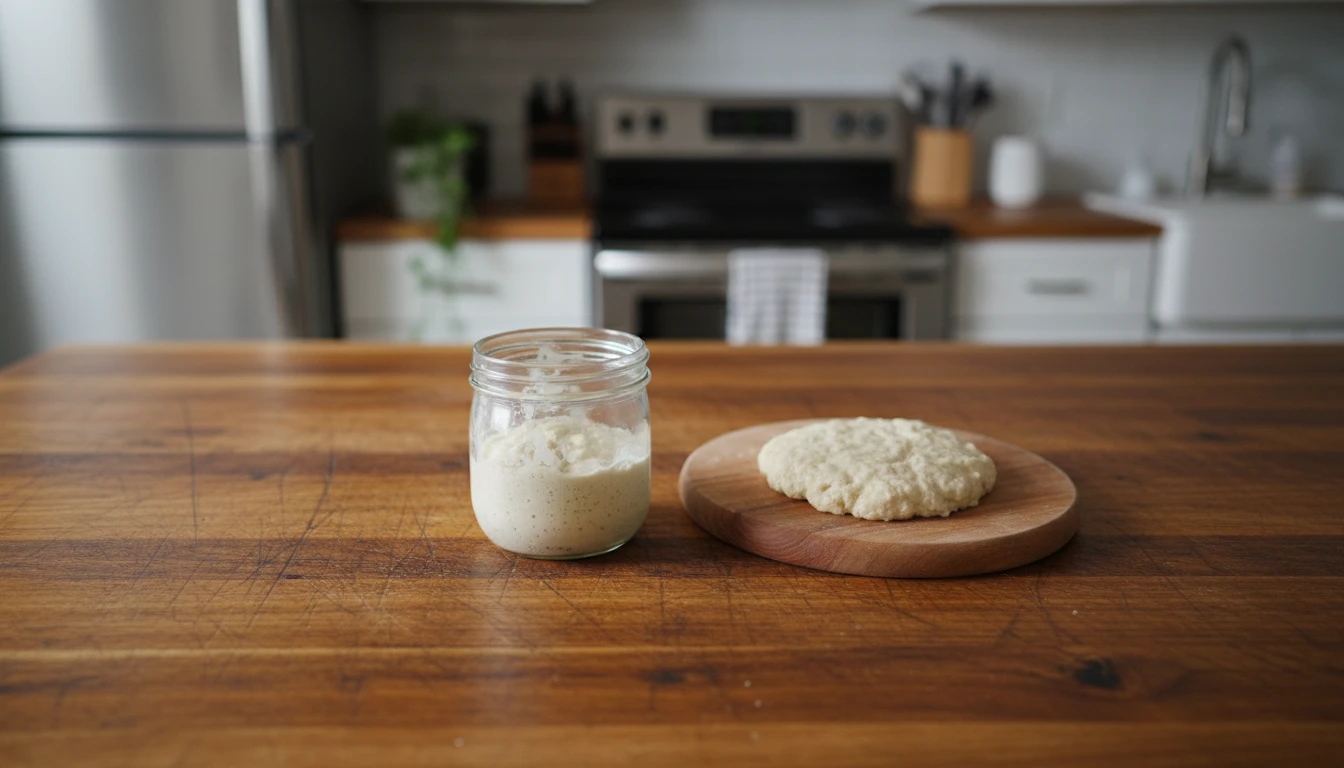
The name itself sounds a bit unappealing, but 'sourdough discard' is a misnomer for what is actually a versatile kitchen asset. To keep a sourdough starter healthy and active, it needs regular 'feedings' of fresh flour and water. To prevent the starter from
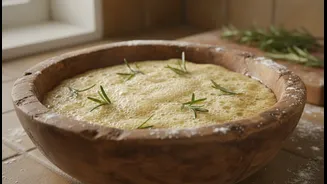
growing into an unmanageable quantity, bakers first remove, or 'discard,' a portion before feeding it. This unfed portion is the discard. It contains all the same components as the active starter—flour, water, wild yeasts, and beneficial bacteria—but lacks the leavening power to make a loaf of bread rise on its own. Instead of being destined for the compost bin, this tangy, fermented mixture is being repurposed in kitchens everywhere.
The Zero-Waste Philosophy in Action
The popularity of sourdough discard is deeply rooted in the zero-waste cooking movement. For eco-conscious home cooks, throwing away a perfectly good food product made of flour and water feels inherently wasteful. Using discard is a practical and delicious way to minimise kitchen scraps and make the most of every ingredient. It transforms what was once seen as a byproduct into a valuable resource, embodying the principle of finding a purpose for everything. This mindset shift encourages a more creative and resourceful approach to cooking, where bakers actively look for opportunities to use their discard rather than seeing it as a problem to be managed.
A Secret Weapon for Flavour and Texture
Beyond its sustainable credentials, sourdough discard is prized for the unique qualities it brings to recipes. Its primary contribution is flavour. Because the discard is fermented, it has a tangy, complex taste that can add a depth reminiscent of buttermilk or sour cream. This acidity can beautifully balance sweetness in cakes, cookies, and muffins, or add a savoury richness to other dishes. In many recipes, it also improves texture, contributing to a softer, more tender crumb in baked goods like pancakes, biscuits, and waffles. It doesn't typically make things taste overtly sour; instead, it adds a subtle complexity that enhances the other ingredients.
Beyond Pancakes and Crackers
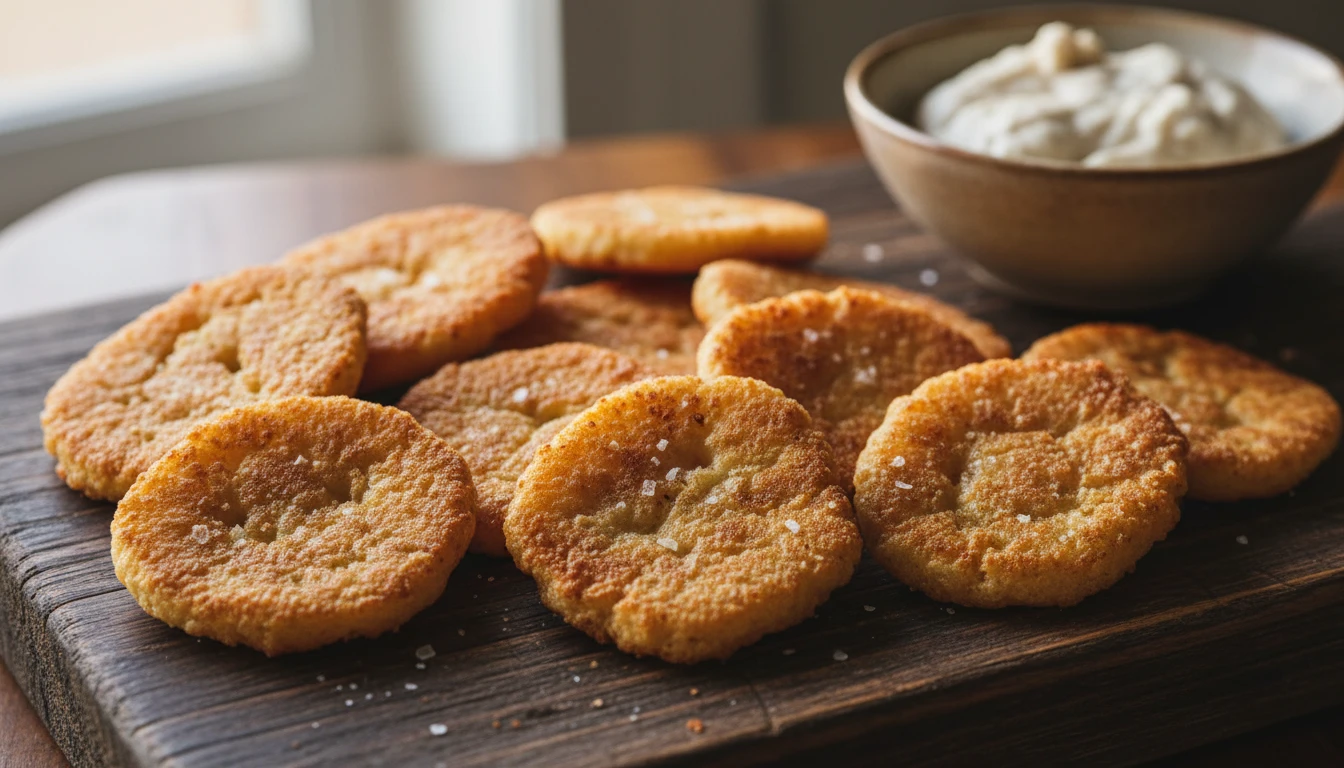
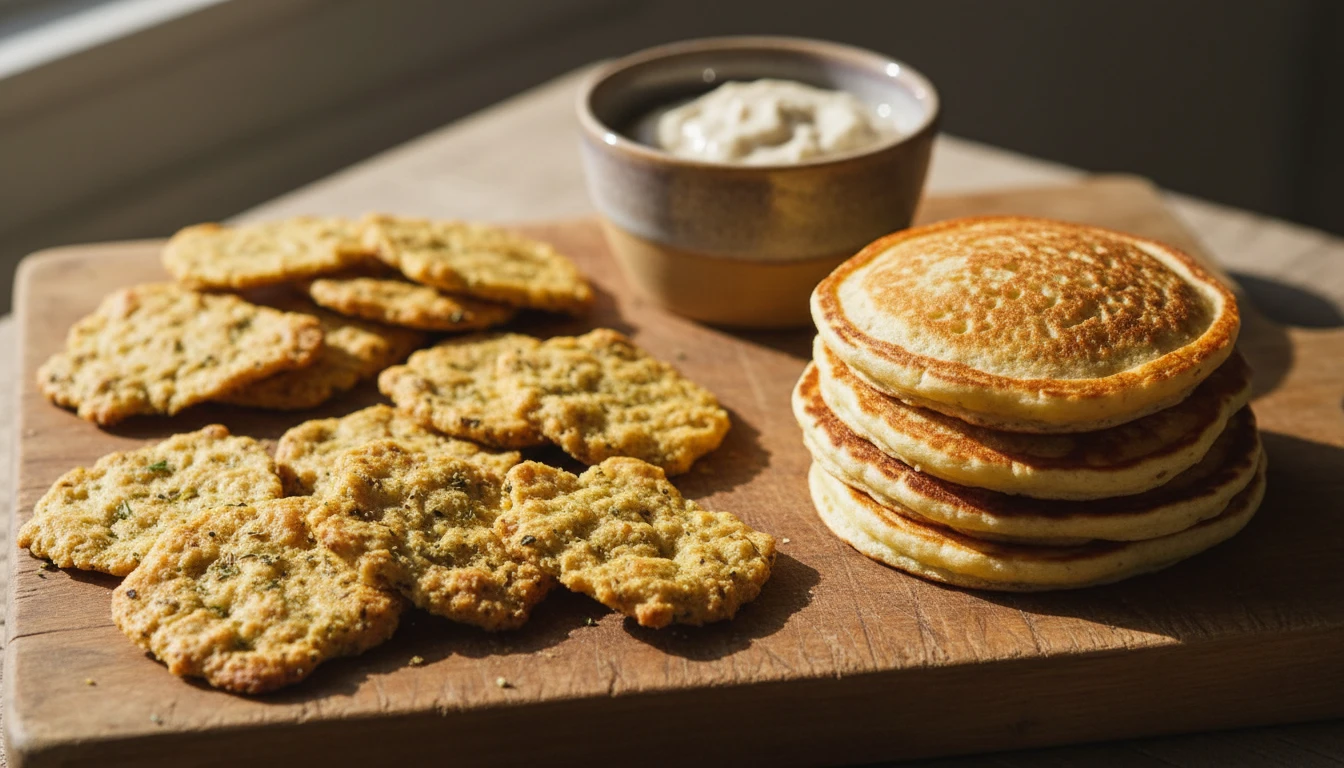
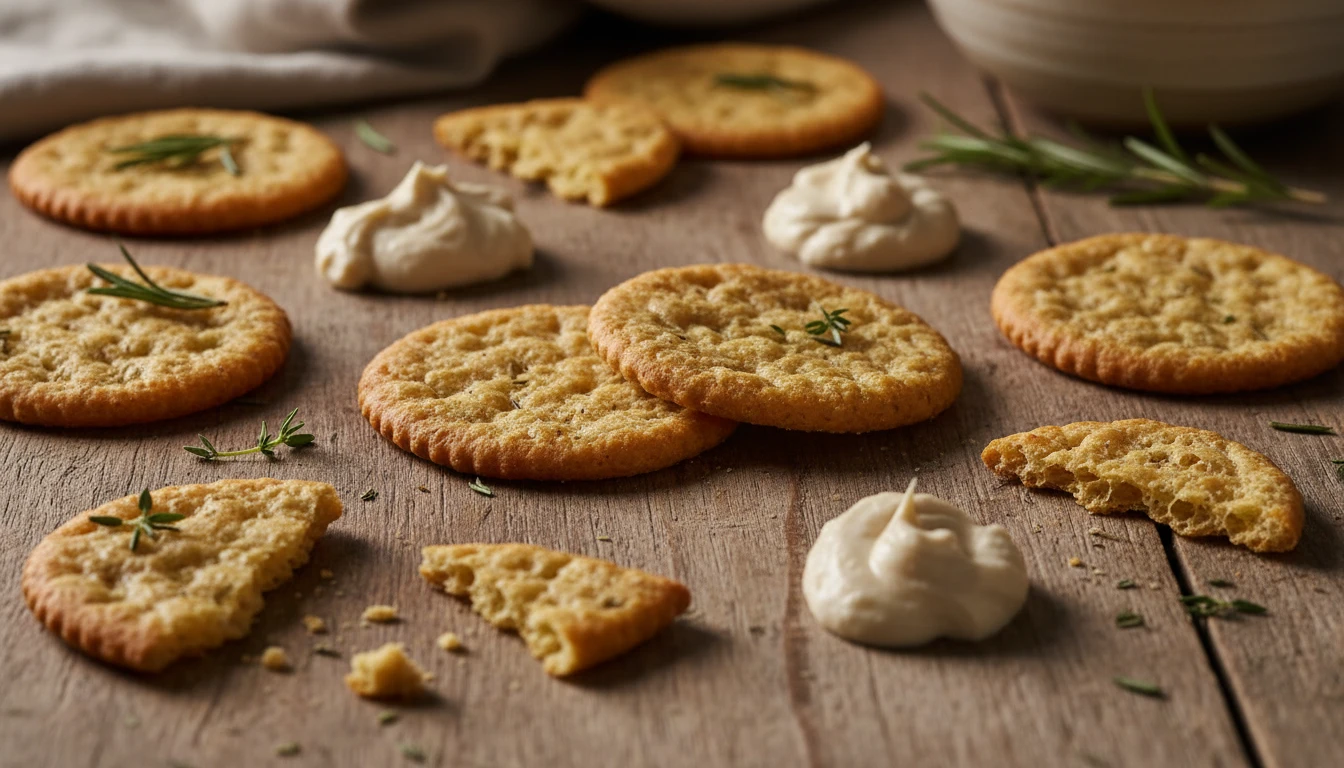
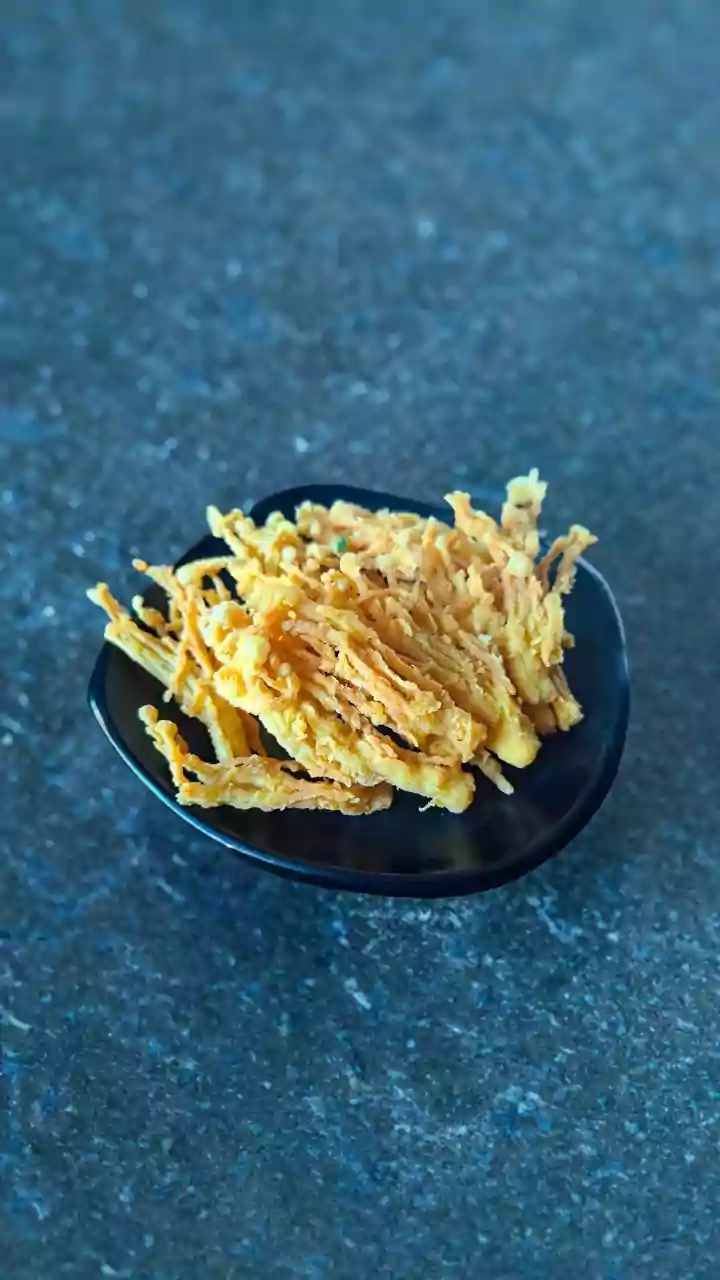
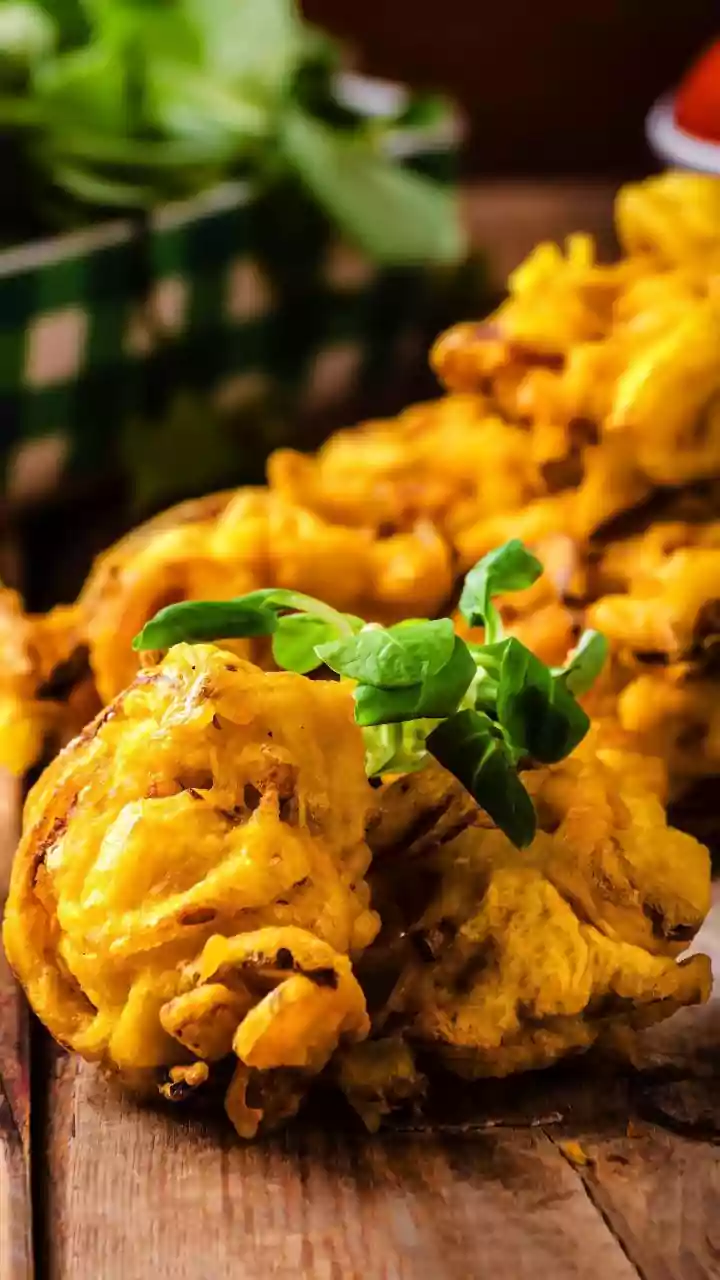
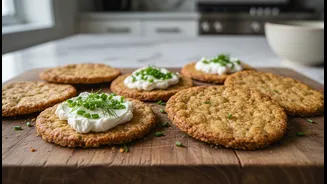
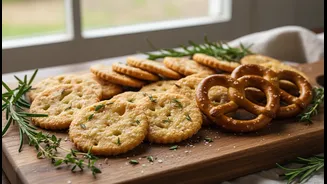
While pancakes and crackers are classic starting points for using discard, its applications are surprisingly vast. inventive cooks are using it in everything from brownie and cookie recipes to pizza dough and pie crusts. It can be stirred into batters for muffins and quick breads, used to create fluffy biscuits, or incorporated into savoury dishes like flatbreads and fritters. Some even use it as a batter for frying fish or vegetables, adding baking soda to create a light, crisp coating. This versatility makes it a reliable staple to keep in the fridge, ready to enhance both sweet and savoury creations throughout the week.
How to Get Started
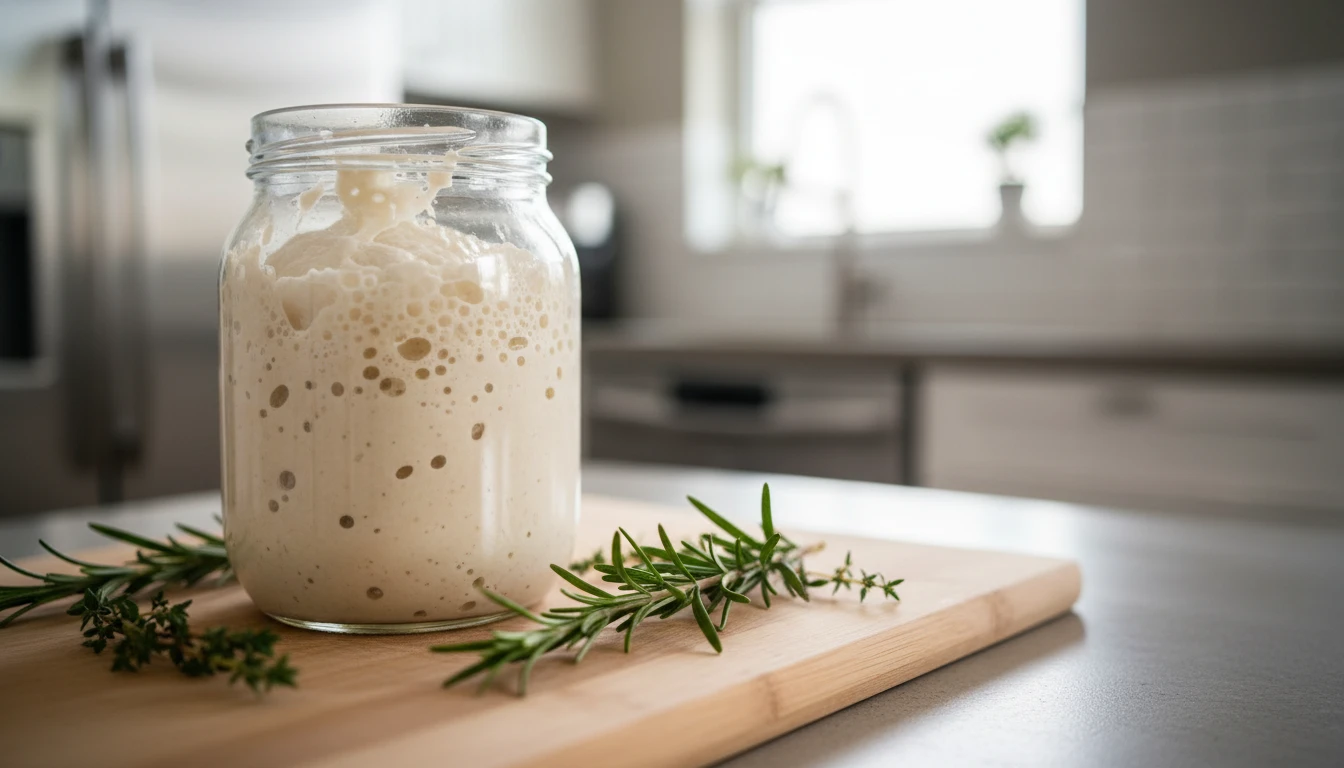
Getting started with sourdough discard is simple. As you maintain your starter, collect the unfed portion in a separate, airtight jar in the refrigerator. Most bakers recommend using the discard within about a week or two, as it will become increasingly acidic and sour over time. A dark liquid called 'hooch' might form on top, which is a normal byproduct of fermentation; it can either be stirred back in or poured off. When you're ready to bake, you can use the discard straight from the fridge. For recipes that don't specifically call for it, a general rule is to substitute some of the flour and liquid with an equal amount of 100% hydration discard, which is half flour and half water by weight.