


Layer Textiles for Instant Coziness
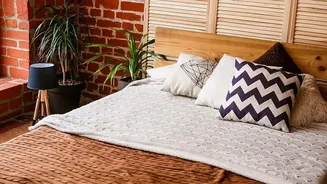
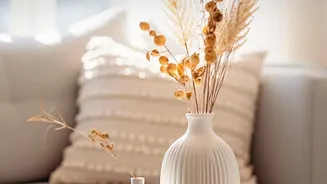
One of the simplest ways to introduce texture is by layering different fabrics. A room filled only with hard surfaces like wood and metal can feel cold, but textiles soften those edges. Think beyond a single throw pillow. On your sofa, combine a smooth
cotton cushion with a chunky knit one and a soft velvet one. In the bedroom, start with crisp sheets and add a plush duvet, followed by a decorative quilt for an extra layer of visual and physical comfort. The same principle applies to floors. Layering a smaller, patterned rug over a larger, neutral one made of jute or sisal adds instant depth and defines a space. This technique allows you to mix materials like wool, linen, and bouclé, creating a rich, dynamic, and inviting atmosphere that begs you to get comfortable.
Embrace Natural Woven Materials
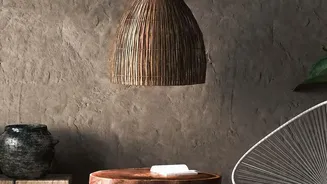
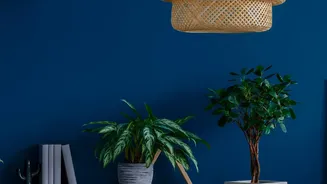
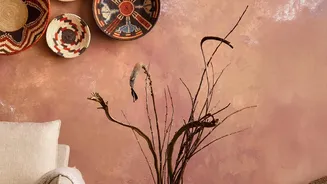
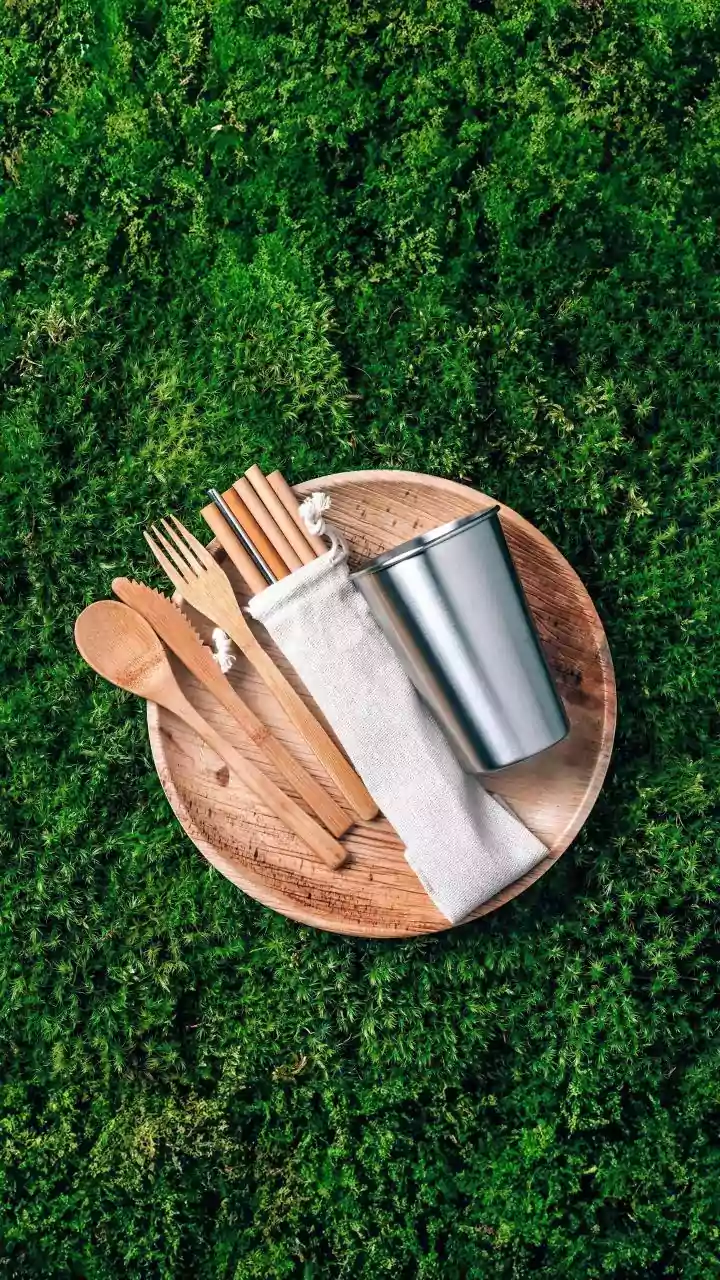
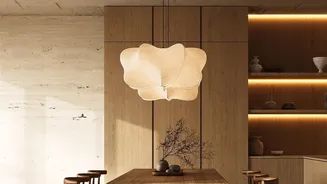
Bringing woven decor into your home is a fantastic way to add an earthy, handcrafted touch. Materials like rattan, jute, seagrass, and bamboo add warmth and texture in countless forms. You can start small with functional items that double as decor. Woven baskets are perfect for storing blankets, magazines, or toys while adding a natural element. A rattan or bamboo lampshade can soften the light in a room, and a woven tray is a great way to style a coffee table. For a bigger impact, consider furniture pieces like a rattan accent chair or a headboard with cane webbing. These natural fibres have unique variations in their colour and weave, adding character that works well with minimalist, bohemian, or coastal design styles.
Create a Statement with Textured Walls
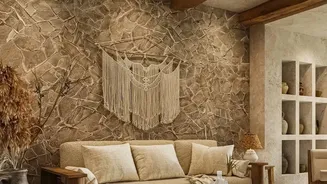
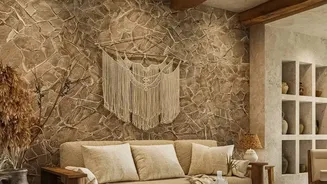
Don't let your walls be an afterthought. A textured wall can serve as a stunning focal point and add incredible depth to a room. There are many ways to achieve this without a major renovation. Textured wallpapers, such as grasscloth, are a popular choice for their distinct woven pattern that adds a subtle, organic feel. You can also find wallpapers that mimic other textures like exposed brick, marble, or wood panels. For a more modern look, fluted or slatted wood panels are increasingly popular and can be installed on a single wall to create a feature. Even certain paint techniques can create texture. Limewash, for example, gives walls a soft, matte, and slightly varied finish that provides a sense of warmth and history.
Incorporate Natural Wood and Stone
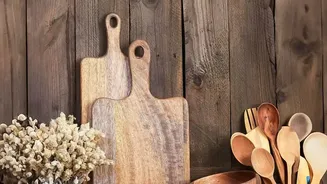
Wood and stone are timeless materials that bring the beauty of the outdoors inside. Combining these two elements creates a beautiful balance between the warmth of wood and the cool solidity of stone. This pairing works in any style, from rustic to modern. You don't need a stone feature wall to get the effect. You can incorporate these materials through smaller accent pieces. Think of a wooden coffee table paired with a marble tray, or a cluster of wooden candle holders on a stone mantelpiece. A dark mango wood bowl on a light countertop or a travertine lamp base on a timber side table adds a sophisticated, natural touch. These materials provide a connection to nature and add a sense of permanence and organic charm to your decor.
Add Sculptural and 3D Elements
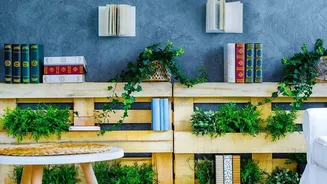
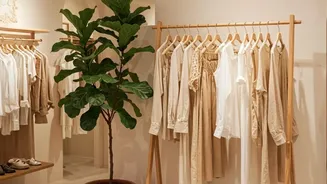
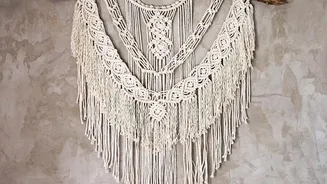
Texture can also be introduced through the shape and form of your decor. Instead of flat artwork, consider three-dimensional pieces that add physical depth to your walls and surfaces. This could be a collection of ceramic vases in various organic shapes, a metal sculpture on a console table, or a large macrame wall hanging. Even plants, with their varied leaf shapes and sizes, are an excellent way to add natural, living texture to a room. These items serve as focal points and break up the monotony of flat surfaces. The interplay of light and shadow on these 3D objects adds another layer of visual interest that changes throughout the day, making your space feel more dynamic and thoughtfully curated.