


The Lofoten Islands: Iconic and Unforgettable
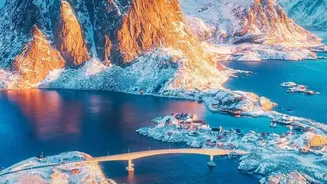
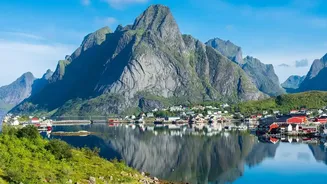
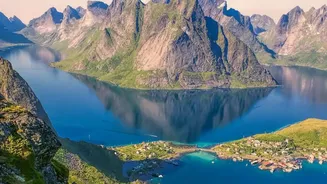
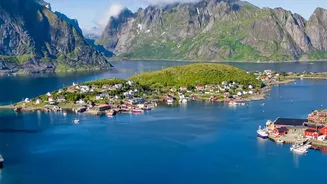
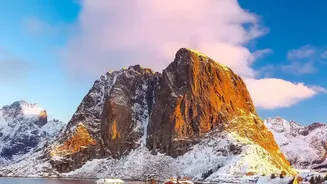
A wall of jagged mountains rising directly from the sea, the Lofoten archipelago is perhaps Norway's most famous island destination. Located above the Arctic Circle, these islands are a playground for photographers and outdoor lovers. The main road, the E10,
winds through a landscape of soaring peaks, deep fjords, and picturesque fishing villages with their iconic red cabins, known as 'rorbuer', often converted into cozy accommodations. One of the most essential experiences is the Reinebringen hike, a stone staircase leading to a viewpoint that offers one of the most photographed panoramas in all of Norway. Whether you visit for the endless daylight of the midnight sun in summer or the dancing northern lights in winter, Lofoten's dramatic beauty is genuinely breathtaking.
Senja: Norway in Miniature
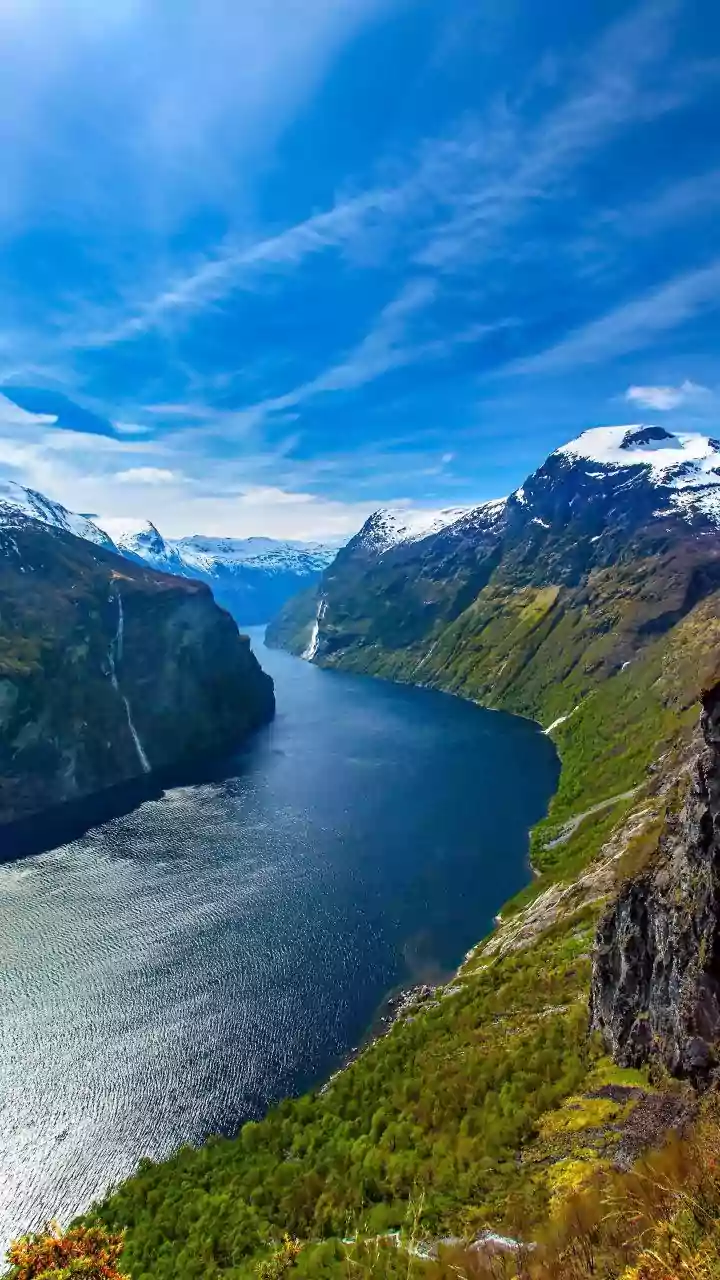
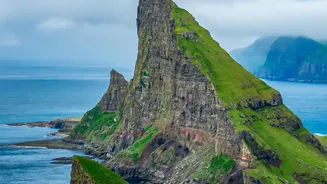
Often described as 'Norway in miniature', Senja is the country's second-largest island and offers a quieter, wilder alternative to the more crowded Lofoten. Its outer coast is a dramatic line of granite peaks that plunge straight into the ocean, threaded by a National Tourist Route. Key sights include the Tungeneset viewpoint, with its famous perspective of the jagged 'Devil's Teeth' mountain range, and the 44-metre-long Bergsbotn viewing platform that extends over a stunning fjord. For hikers, the trail to Hesten provides the classic view of the iconic, pyramid-shaped Segla peak. With deep fjords, ancient forests in Ånderdalen National Park, and small fishing communities, Senja encapsulates the diverse beauty of the Norwegian coast in one condensed, magnificent package.
Sommarøy: The Arctic's Caribbean
An hour’s drive from Tromsø lies Sommarøy, an old fishing village whose name means 'Summer Island'. It's famous for a striking contradiction: stunning white-sand beaches and turquoise waters that look almost Caribbean, but are located far above the Arctic Circle. Connected to the larger island of Kvaløya by a bridge, this community of about 300 people lives by the rhythms of the seasons. During the summer, the midnight sun shines for over two months, making 2 a.m. a perfectly normal time for a beach picnic or a kayak trip. This led to a campaign in 2019 to become the world's first 'time-free zone'. In winter, these same beaches become prime viewing spots for the Northern Lights, with minimal light pollution and wide-open skies.
The Vesterålen Islands: A Whale-Watching Haven
Just north of Lofoten, the Vesterålen archipelago offers a gentler, greener landscape but is no less spectacular. Its main draw is the incredible marine life. Because the continental shelf is very close to the coast here, Vesterålen is one of the few places in the world where you can go whale watching year-round. Sperm whales are present throughout the year, while winter brings migrating herring that attract orcas and humpback whales into the fjords. Beyond the whales, the islands offer scenic drives, such as the Norwegian Scenic Route Andøya, and beautiful hiking trails like Dronningruta ('The Queen’s Route'). Quaint, colourful fishing villages like Nyksund, now home to artists and galleries, add to the region's quiet charm.
Svalbard: The Kingdom of the Polar Bear
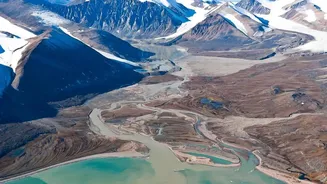
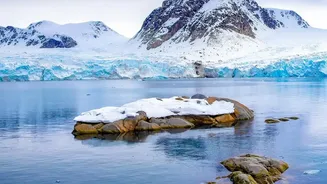
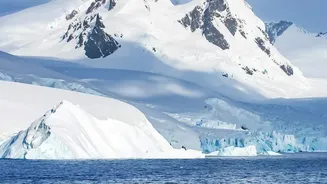
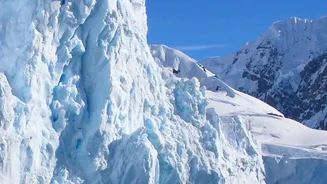
Located halfway between mainland Norway and the North Pole, the Svalbard archipelago is the ultimate Arctic wilderness. This is a land of extremes, a realm of vast glaciers, immense fjords, and a landscape dominated by ice and rock. Spitsbergen is the largest island and home to Longyearbyen, the main settlement. Svalbard is famously known as the kingdom of the polar bear, where these magnificent predators outnumber people. Expeditions focus on respectfully observing wildlife, which also includes walruses, reindeer, Arctic foxes, and numerous whale and seal species. Exploring Svalbard often involves boat expeditions that navigate through ice-choked waters, allowing for close-up views of calving glaciers like the 14th of July Glacier and Monaco Glacier. Whether you are dog-sledding under the aurora in the polar night or kayaking in the continuous daylight of the midnight sun, Svalbard offers a profound and humbling encounter with nature at its most raw and powerful.