






The Great Tech Migration
For decades, a technology career in India was synonymous with working for a major IT services company. That landscape is undergoing a fundamental transformation as tech hiring increasingly takes place outside traditional IT companies. Digital adoption
across all industries has turned every company into a technology company, sparking demand for tech professionals in non-tech sectors. These legacy industries are no longer just consumers of technology; they are becoming innovators, building their own digital infrastructure to stay competitive. Recent data shows that while hiring in the IT sector itself has seen a downward trend, overall job growth is being driven by non-IT industries, reflecting a significant economic diversification.
Banking's Digital Arms Race
The Indian banking, financial services, and insurance (BFSI) sector is at the forefront of this hiring boom, with some of the strongest hiring intent seen across the entire economy. Faced with intense competition from agile fintech startups and changing consumer expectations, traditional banks are aggressively investing in technology. They are hiring for roles that were once the exclusive domain of tech firms: full-stack developers, data scientists, and cybersecurity analysts. The goal is to enhance customer experience through seamless digital banking apps, personalize services using artificial intelligence, and secure transactions with robust cybersecurity frameworks. For jobseekers, this means opportunities to work on high-impact projects that directly affect millions of customers, often with competitive compensation packages designed to attract top talent.
Manufacturing Enters Industry 4.0
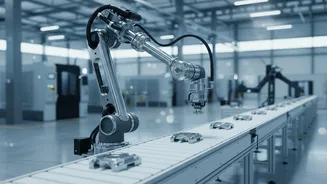
Similarly, the manufacturing sector is shaking off its old-school image and embracing 'Industry 4.0'. Government initiatives like 'Make in India' are accelerating this shift toward smart manufacturing. The push for automation, smart factories, and efficient supply chains has created a new category of tech jobs on the factory floor and in corporate offices. Companies are looking for specialists in the Internet of Things (IoT) to connect machinery, robotics engineers to automate production lines, and data analysts to optimize processes and predict maintenance needs. This fusion of manufacturing and technology is critical for improving efficiency and product quality. For tech professionals, this domain offers a chance to work on tangible, physical-world problems, from developing sensors for a production line to designing the software that runs an entire smart factory.
In-Demand Skills for a New Frontier
While a foundation in software development remains crucial, these new roles require a blend of technical expertise and domain knowledge. In banking, an understanding of financial regulations and security protocols is a major advantage. In manufacturing, familiarity with industrial control systems can set a candidate apart. Across both sectors, there is immense demand for skills in cloud computing, data analytics, artificial intelligence, machine learning, and cybersecurity. Professionals who can not only write code but also understand how technology can solve specific business problems in finance or manufacturing are becoming the most sought-after candidates. This trend underscores the growing importance of continuous learning and upskilling to stay relevant in a rapidly evolving job market.
What This Means for Jobseekers
This broadening of the tech hiring market is excellent news for Indian jobseekers. It provides more career pathways and reduces the dependency on the hiring cycles of a few large IT companies. For fresh graduates, it means a wider array of entry-level opportunities, even as the IT sector's share of fresher hiring has fallen. For experienced professionals, it offers the chance to pivot to a new industry and apply their skills in a different context. The key is to look beyond conventional tech company job boards. Jobseekers should actively explore the career pages of major banks and manufacturing conglomerates, network with professionals in these industries, and tailor their resumes to highlight skills relevant to these emerging tech ecosystems. The tech job of the future in India might not be in a conventional tech park, but in a digital banking unit or a smart factory.