
The Ancient Art of Delicious Science
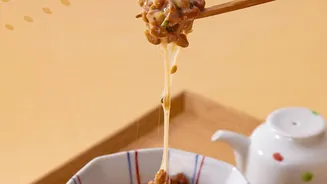
Fermentation is one of humanity’s oldest food preservation techniques, with Indian texts referencing fermented milks and beverages over 3,000 years ago. It’s a natural process where microorganisms like yeast and bacteria break down carbs and sugars in food.
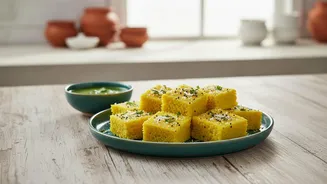
This transformation does more than just preserve; it creates complex new flavours, from the tang of dahi to the subtle sourness of a dosa. More importantly, it unlocks nutrition. The process breaks down complex components in grains and lentils, making them easier to digest and boosting the availability of minerals like iron and B vitamins. In a very real way, fermentation pre-digests our food, making it more nourishing.
Breakfast of Champions: Idli and Dosa
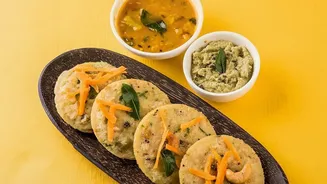
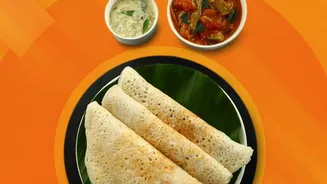
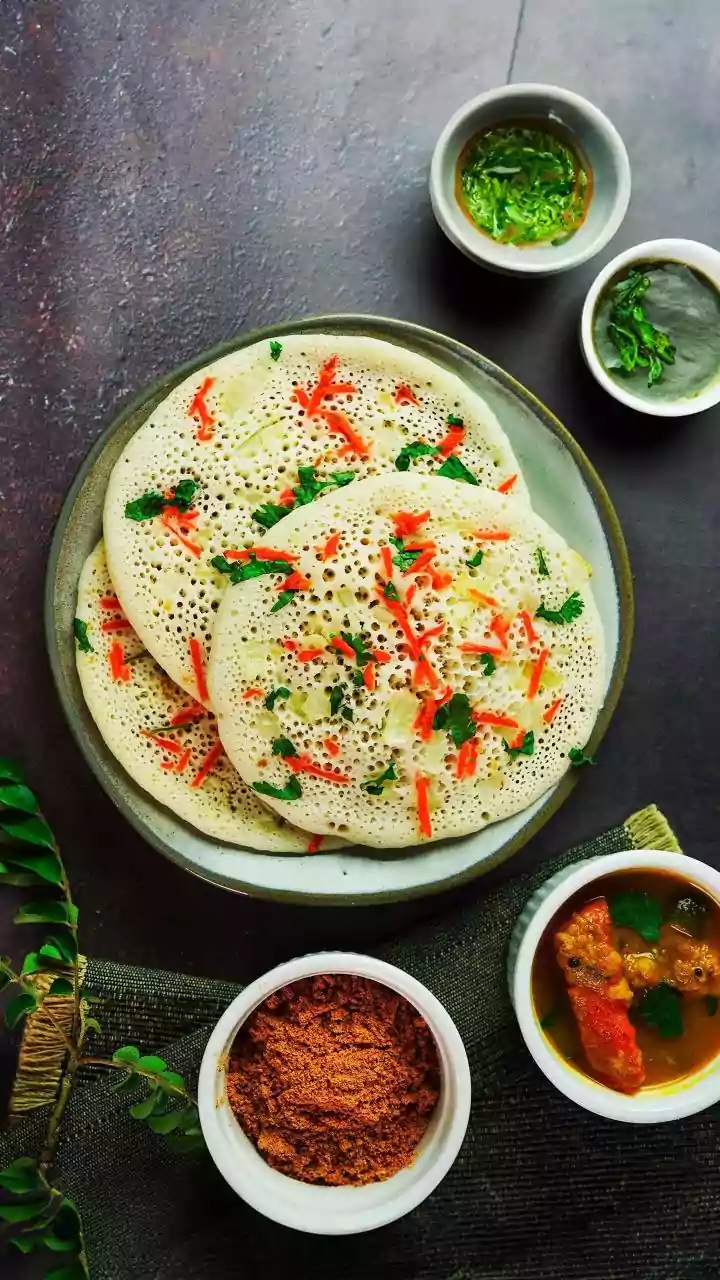
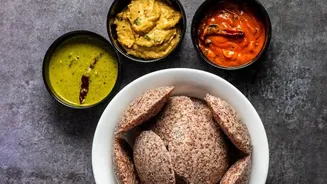
Nowhere is this edible science more apparent than in the South Indian breakfast staples of idli and dosa. Both begin as a simple batter of soaked rice and urad dal (black gram). Left to ferment overnight, this mixture comes alive. Beneficial bacteria get to work, producing gases that create the light, fluffy texture of idli and the crispiness of dosa. This fermentation process is what makes these dishes so gentle on the stomach. It also enriches them with probiotics, the beneficial bacteria that support a healthy gut microbiome, which is linked to everything from better immunity to improved mood.
The Genius of Flexibility
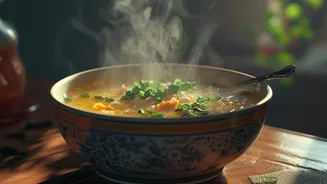
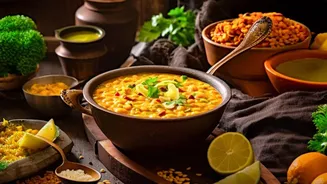
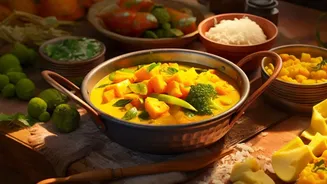
Alongside fermentation sits another pillar of Indian culinary longevity: ingredient flexibility. Many of our most beloved dishes are not rigid recipes but adaptable frameworks. Take dal, for instance. It is a staple across the entire subcontinent, yet it changes dramatically from one region to another. North India’s creamy Dal Tadka, with its sizzling ghee and garlic topping, is worlds away from a South Indian sambar, which is tangy with tamarind and packed with vegetables. This adaptability ensures that dishes can be made with whatever is local, seasonal, and affordable. Khichdi is another perfect example. At its core, it is a simple mix of rice and lentils, but it can be a nourishing meal for someone who is unwell, a sacrificial offering to deities, or an elaborate dish cooked with rich spices and vegetables, changing its form and flavour in every state.
Achaar: Preservation and Flavour in a Jar
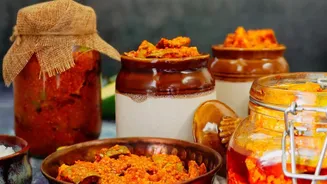
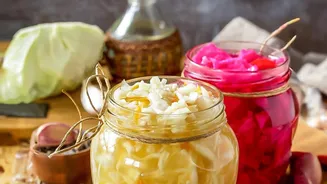
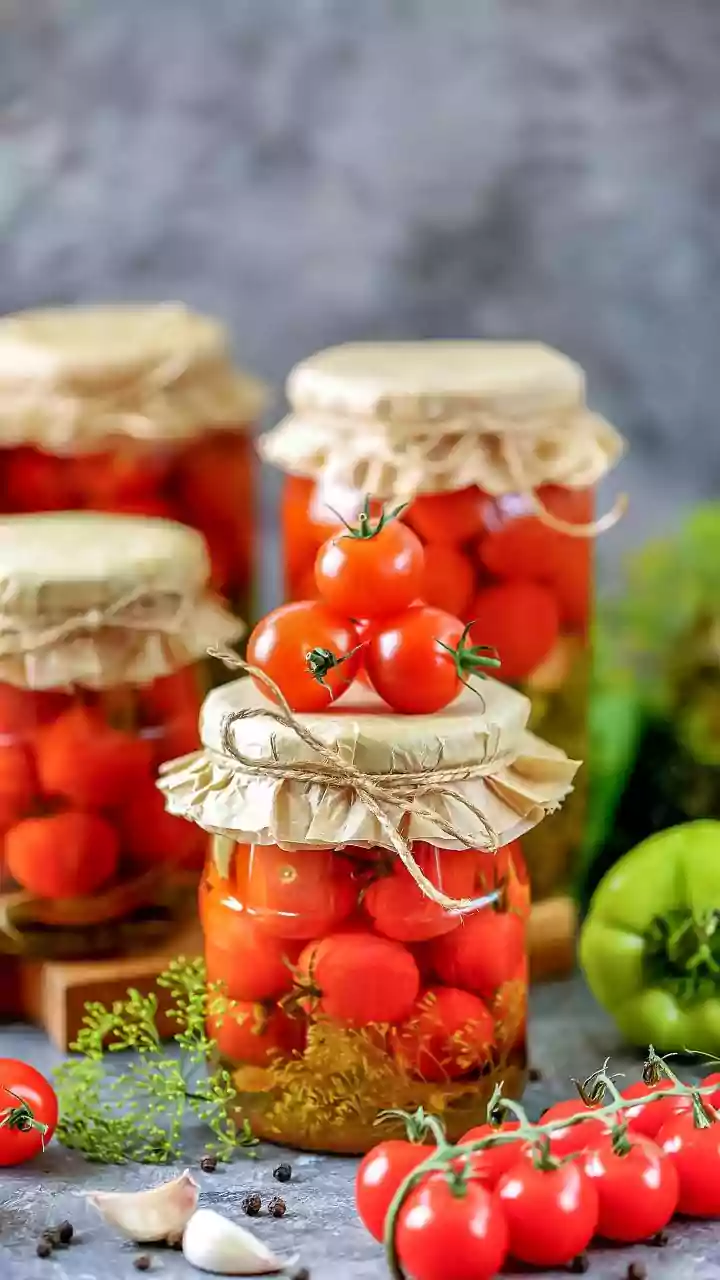
Indian pickles, or achaar, are perhaps the ultimate expression of both fermentation and flexibility. Unlike Western pickles that rely on vinegar, traditional Indian achaar often uses salt, oil, and spices to kickstart a process of lacto-fermentation. Salt draws moisture out of fruits and vegetables, creating a brine where beneficial Lactobacillus bacteria can thrive. These bacteria convert sugars into lactic acid, which acts as a natural preservative and gives the pickle its characteristic tangy flavour. The spices used—like turmeric, fenugreek, and mustard—are not just for taste; they contain potent antimicrobial and antifungal properties that prevent spoilage. From a summer mango harvest to winter carrots, almost any vegetable can be transformed into a pickle that lasts for months, a vibrant and flavourful testament to Indian resourcefulness.
Ancient Wisdom for Modern Tables
The principles that have kept these dishes on Indian tables for centuries are more relevant today than ever. In an age focused on gut health, probiotics, and sustainable eating, the wisdom embedded in a bowl of dahi or a plate of idli feels remarkably modern. These everyday foods are a masterclass in nutrition, preservation, and flavour. They demonstrate how to make the most of seasonal abundance, how to unlock the full nutritional potential of simple ingredients, and how to create deeply satisfying food through patience and a little bit of microbial magic. They are not just recipes, but a living history of how a civilization learned to eat well, resourcefully, and healthily.