






The Resilient Heart of the Forest
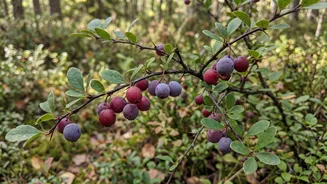
The Dang region of Karauli is a challenging environment, marked by harsh weather and dry terrain. Yet, it is here that the wild Beri (Ziziphus mauritiana) thrives, often called the 'apple of the forests'. This hardy, thorny tree flourishes without any
human intervention like irrigation or fertilisers, producing an abundant harvest during the winter months. Its ability to survive extreme heat and drought makes it a vital part of the local ecosystem, providing sustenance for both wildlife and human communities when other resources are scarce. Known by many names across India—including Bor, Elanthai, and Regu Pandu—this fruit is a symbol of nature's tenacity.
A Nutritional Powerhouse
Beneath its unassuming exterior, the Beri is a nutritional giant. The fruit is exceptionally rich in Vitamin C, boasting levels higher than many citrus fruits and second only to guava. This makes it a powerful natural immunity booster. It is also a great source of dietary fibre, which aids digestion, and contains significant amounts of Vitamin A, potassium, and calcium. Low in calories, Beri is packed with antioxidants like flavonoids and polysaccharides, which help combat cellular damage. This impressive profile makes the wild-harvested fruit an essential source of free, natural nutrition for the rural communities who depend on it.
The Taste of Tradition
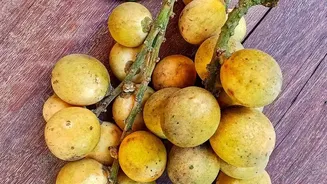
The cultural importance of the Beri is most evident in its versatile role in regional cuisine. The fruit has a unique sweet and sour flavour that changes as it ripens. When green and crisp, it is often eaten raw, sometimes sprinkled with salt and chilli. As it matures, turning reddish-brown and wrinkly, it becomes sweeter and is enjoyed as a fresh snack or dried like dates. Locals transform the semi-ripe fruit into tangy chutneys and pickles, a popular way to preserve the seasonal bounty. The dried fruit is often ground into a powder and used in various sweet and sour preparations, ensuring its distinctive taste can be enjoyed throughout the year.
Mythology and Economic Sustenance
The Beri fruit is steeped in cultural and mythological significance. It is famously associated with the story of Shabari, who offered half-eaten Beri to Lord Rama as a symbol of pure devotion, an event immortalised in the Ramayana. This connection elevates the fruit from mere sustenance to a sacred offering. Beyond its spiritual value, the Beri plays a crucial role in the local economy. Foraging for these wild fruits provides a vital source of supplemental income, particularly for women and herders in the region. The collection and sale of Beri, along with other non-timber forest products, is an established economic activity that supports livelihoods and empowers local communities.
Preserving a Natural Heritage
The wild Beri of the Karauli Dang forest is more than just a fruit; it's an ecological and cultural asset. Its natural resilience makes it a key species for agroforestry in arid regions, with research institutions like the Central Arid Zone Research Institute (CAZRI) promoting its cultivation. The practice of foraging for Beri is part of a harmonious cycle that has sustained communities and local fauna for generations. As a symbol of devotion, a source of nutrition, and an economic lifeline, the wild Beri represents the deep-rooted connection between nature and culture in Rajasthan, a heritage worthy of celebration and preservation.