




The Blueprint for a Moon Base
Recent NASA announcements confirm a clear strategy: before astronauts can live and work on the Moon long-term, a robust infrastructure must be built. This isn't just about planting a flag; it's about establishing the foundational elements of a neighborhood,
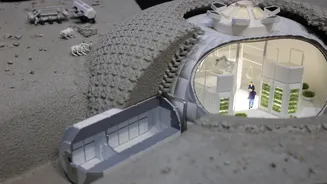
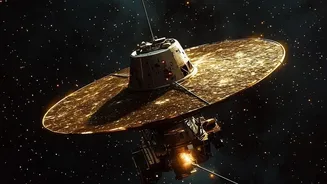
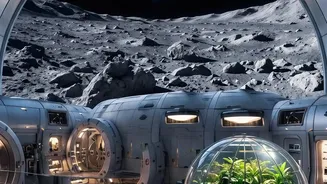
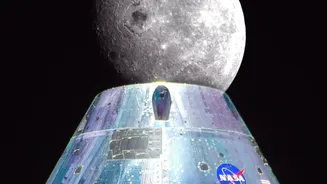
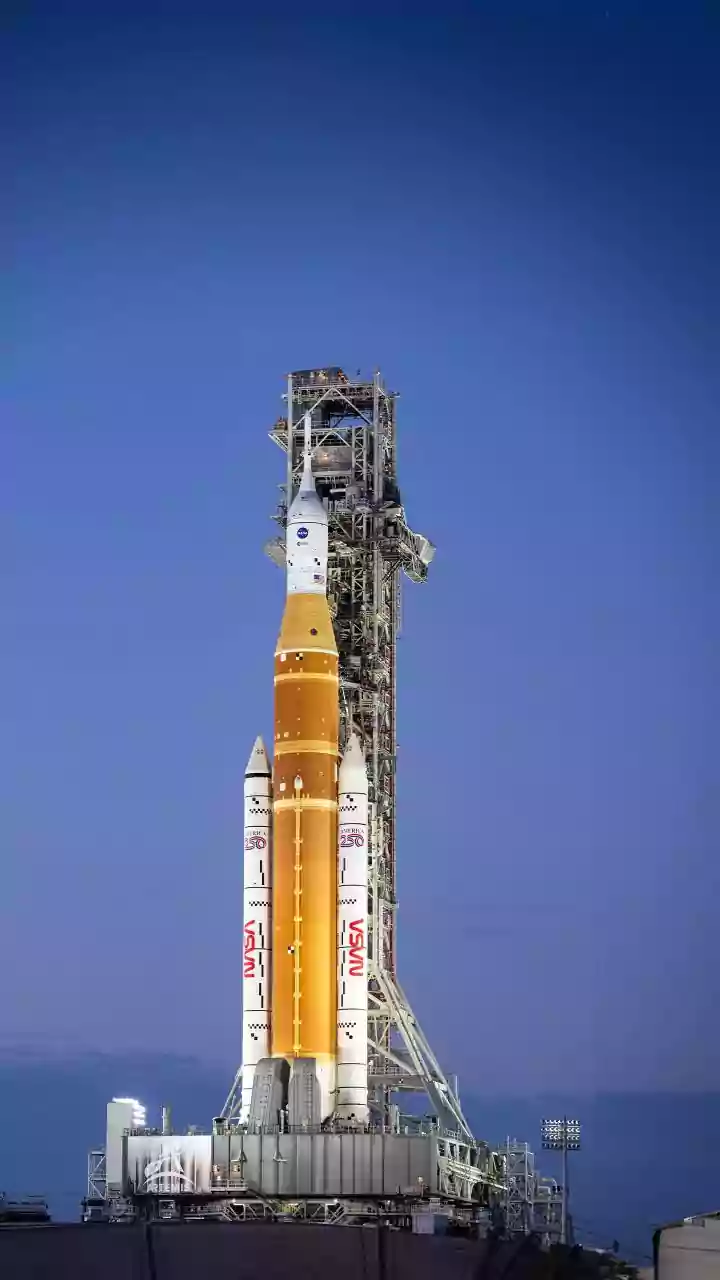
including power, communication, and transportation systems. The entire effort is part of the broader Artemis program, which aims to create a sustained presence at the Moon's South Pole. The initial phase, running through 2029, involves a series of over twenty robotic landings. Each mission is designed to incrementally test and deploy the technologies needed, from power generation to landing pads, creating a reliable foundation for the Artemis Base Camp.
Lunar Logistics: The Cargo Lifeline
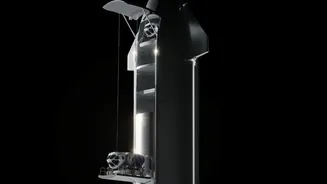
At the heart of this new phase is a massive logistics operation, spearheaded by NASA's Commercial Lunar Payload Services (CLPS) initiative. This program essentially outsources lunar delivery to a pool of American companies, creating a commercial pipeline to the Moon. To date, NASA has contracted with companies like Astrobotic, Intuitive Machines, and Firefly Aerospace for dozens of deliveries. These missions are the lunar equivalent of cargo trucks, tasked with transporting everything from scientific instruments to construction materials. The demand is expected to be significant, with projections estimating an annual need for 2,500 to 10,000 kg of recurring cargo, plus occasional heavy-lift deliveries of habitation modules or large rovers. To meet this, NASA recently moved to increase the total value of its CLPS contracts, signaling a long-term commitment to this commercial model.
Robots on the Front Line
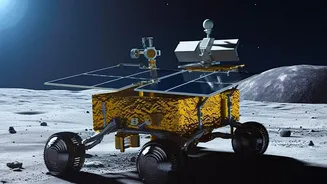
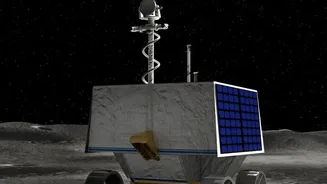
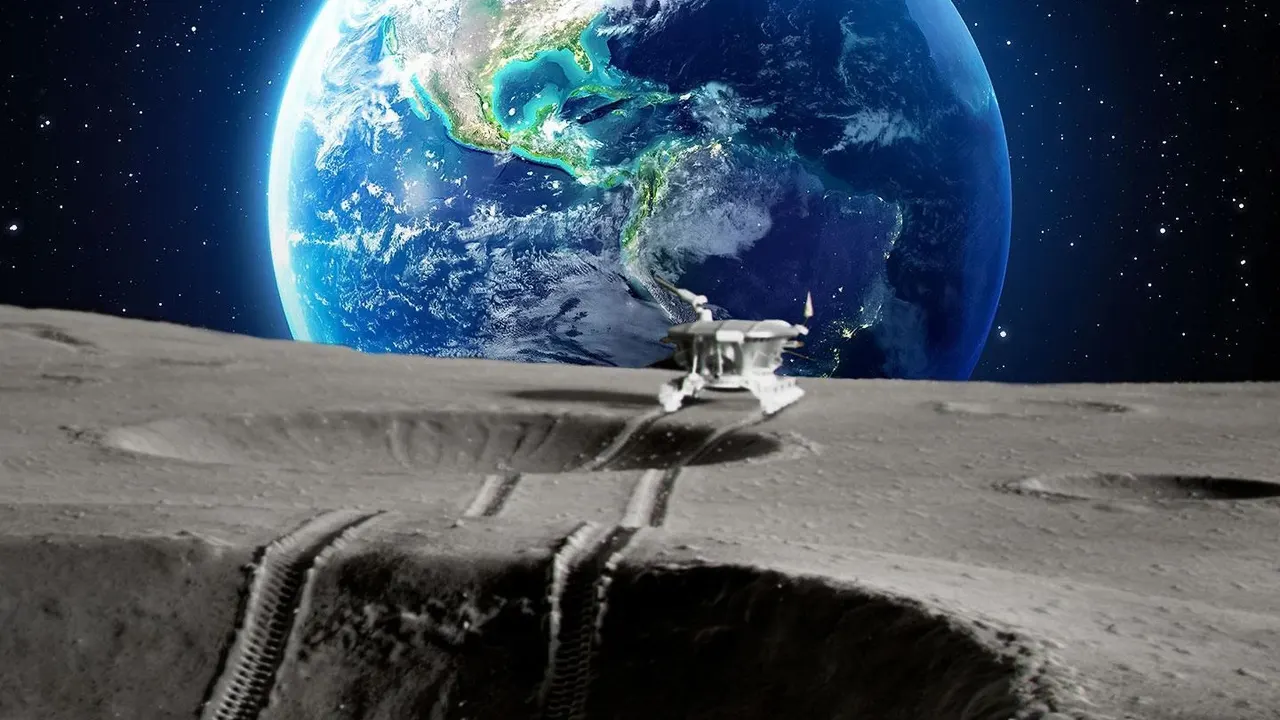
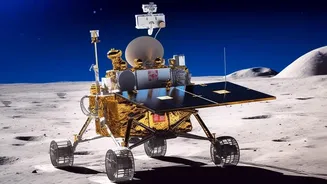
If cargo landers are the delivery trucks, then advanced rovers are the construction workers and scouts. A new generation of Lunar Terrain Vehicles (LTVs) will be deployed well before astronauts arrive for long-duration stays. These rovers, developed by companies such as Astrolab and Lunar Outpost, will be operated remotely from Earth. Their initial jobs include mapping the terrain in high resolution, prospecting for resources like water ice, and testing how equipment performs in the extreme temperatures of the lunar South Pole. This approach marks a significant evolution from the Apollo era, where rovers were simply tools for a single mission. Today's rovers are viewed as mobile infrastructure, capable of transporting equipment, preparing landing sites, and supporting scientific work autonomously between crewed missions.
Building More Than Just a Landing Pad
So, what does 'lunar infrastructure' actually entail? It's a comprehensive network of systems working together. A key element is a dedicated communications and navigation network, like ESA's Moonlight program, to ensure constant contact and precise positioning for landings, which becomes critical when trying to land near existing assets. Another major challenge is dealing with lunar dust, or regolith, which is kicked up with destructive force by rocket engines. Companies are actively testing new types of landing pads designed to safely vent exhaust and protect surrounding equipment. Power systems are also a necessity for a permanent base. Finally, once astronauts arrive, they will use both unpressurised LTVs for short trips and larger, pressurized rovers—effectively mobile habitats—that will allow them to travel for days or weeks at a time, dramatically extending their exploration range.