







The New Age of Indian Globetrotters
A significant shift is underway in how young Indians travel. For Gen Z and millennials, a passport stamp is becoming the new status symbol, often valued more than a material possession. This generation is defined by a desire for experiences, and travel has
become an integral part of their lifestyle and financial planning. Reports show a clear trend: younger travellers prefer shorter, more frequent trips over one long annual holiday. This 'micro-vacation' mindset, combined with a growing economy and increased connectivity, has flung the doors to international travel wide open. They aren't just dreaming about seeing the world; they are actively booking flights and exploring it, prioritising adventure and unique cultural encounters.
Vietnam: The Rising Star
Just a few years ago, Vietnam might not have been the first choice for an Indian traveller. Today, it’s one of the hottest destinations, and for good reason. The country offers a stunning mix of dramatic landscapes, from the limestone karsts of Ha Long Bay to the vibrant energy of Ho Chi Minh City. What truly sets it apart is its incredible value. Street food is delicious and costs next to nothing, affordable accommodation is plentiful, and domestic flights make it easy to explore different regions in one trip. With simplified e-visa processes for Indians, the barrier to entry is lower than ever, making it a perfect fit for a spontaneous and budget-conscious generation. A week-long trip can often be managed within a budget of ₹40,000 to ₹65,000.
Thailand: The All-Time Favourite
Thailand’s appeal for Indian travellers is timeless, and it continues to be a top choice for those seeking an affordable international getaway. Its popularity stems from a perfect formula: proximity, beautiful beaches, bustling markets, and a tourist-friendly infrastructure. Cities like Bangkok and Phuket offer a dynamic mix of culture and nightlife. The country's visa-on-arrival or visa-free policies have consistently made it an easy choice for last-minute plans. For many young Indians, Thailand is the ideal first international trip—a place to have fun, explore, and get a taste of a different culture without needing a hefty bank balance. It proves that a classic destination can remain a favourite by staying accessible and affordable.
Malaysia: A Blend of Modern and Natural
Malaysia offers a compelling blend of the modern world and lush nature, making it another budget-friendly favourite. The capital, Kuala Lumpur, boasts futuristic architecture and efficient public transport, while islands like Langkawi and Penang offer serene beaches and heritage sites. Recent visa-free policies for Indian tourists have made it an even more attractive option, cutting down on both cost and planning time. Proximity to India helps keep airfare costs down, and the country provides a diverse range of activities, from shopping and theme parks to rainforest adventures, all at a reasonable price point.
The Visa-Free Advantage
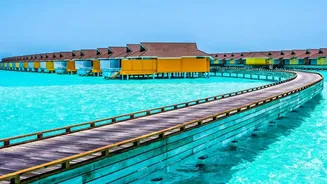
A major driver of this travel boom is the increasing number of countries offering visa-free entry, visa-on-arrival, or simplified e-visa procedures for Indian passport holders. This move eliminates administrative hurdles and reduces costs, making spontaneous travel a reality. Beyond Southeast Asia, destinations like Sri Lanka, the Maldives, and even Kazakhstan are opening their doors. Sri Lanka, just a short flight away, offers beaches, tea plantations, and historic sites on an affordable budget. This ease of access is a game-changer, allowing young travellers to focus on the experience rather than the paperwork.
Why Go Abroad? The Cost Factor
Interestingly, one of the reasons young Indians are looking outwards is the rising cost of domestic travel. A flight from Delhi to Kochi can sometimes be as expensive as a flight to Dubai or Thailand. Furthermore, some travellers feel that high-end hotels and organised adventure sports in India can be costlier than their international counterparts. When faced with similar costs, the allure of experiencing a new country, a different culture, and getting a new stamp in their passport often wins out. These budget-friendly foreign destinations provide a sense of novelty and global exposure that feels like a better value proposition for their money.