








The Old 'Pass the Salt' Problem
The long-standing advice on salt has been a matter of personal responsibility. Public health campaigns have traditionally urged individuals to monitor their intake, read labels, and simply use less salt in their cooking. This approach places the burden
of health squarely on the shoulders of the consumer. The World Health Organization (WHO) recommends adults consume less than 5 grams of salt per day. Yet, in India, the average intake is estimated to be around 11 grams daily, more than double the recommendation. This high consumption is a major contributor to rising rates of high blood pressure and cardiovascular diseases, which account for over a quarter of all deaths in the country.
Why 'Blame the Individual' Fails
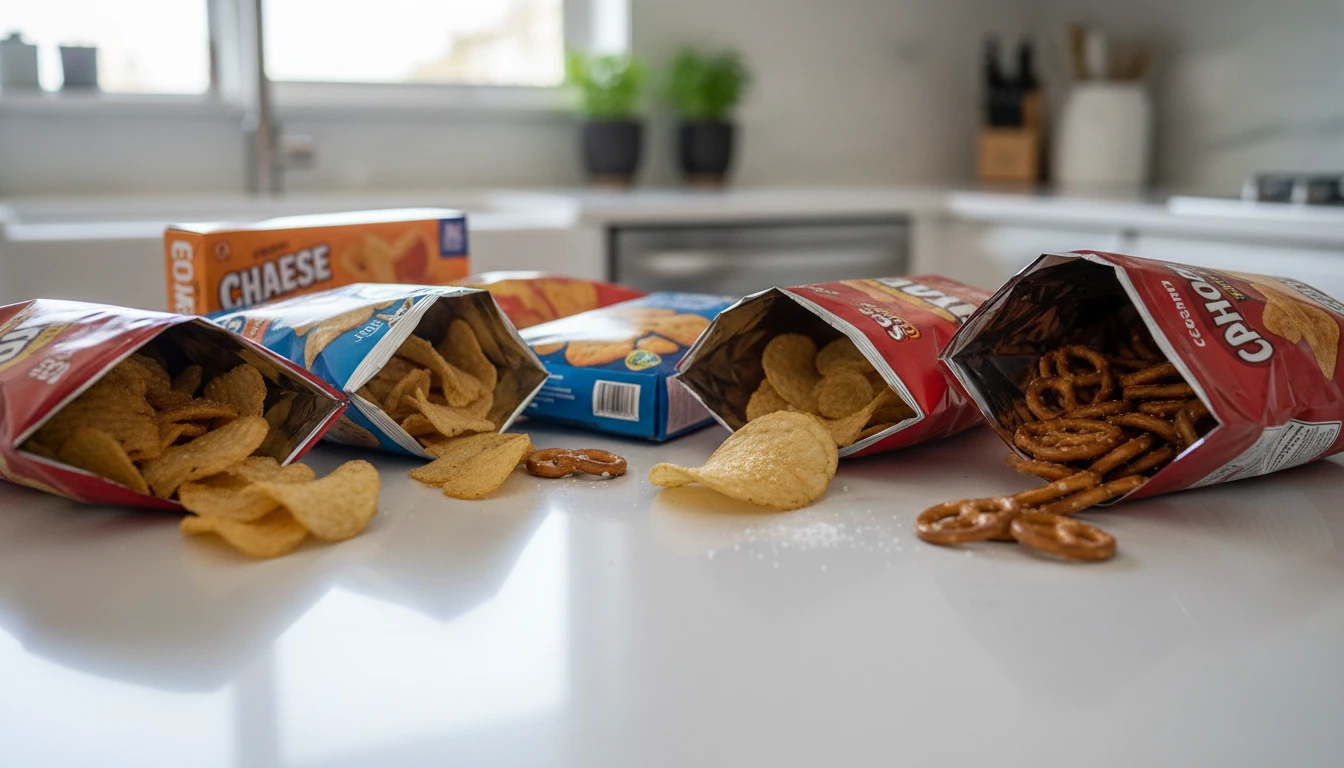
The traditional focus on individual willpower has proven largely ineffective because it ignores a critical fact: most of our sodium intake doesn't come from the salt shaker on the dining table. It comes from hidden salt in processed and packaged foods—from biscuits and instant noodles to sauces, pickles, and ready-to-eat meals. In today's fast-paced world, where convenience often dictates food choices, it becomes incredibly difficult for individuals to accurately track and control their sodium consumption. Blaming people for making unhealthy choices in an environment where those choices are the most available, affordable, and heavily advertised is a losing battle. It’s not just a failure of willpower, but a predictable result of our surroundings.
What Are 'Food Environments'?
This is where the concept of the 'food environment' comes in. A food environment refers to all the physical, economic, social, and cultural factors that influence what we eat. It’s the corner store flooded with chips and sugary drinks but no fresh vegetables. It's the aggressive marketing of unhealthy foods to children and the price difference that makes a processed snack cheaper than a piece of fruit. Essentially, it is the context in which we make our food decisions. Public health experts now argue that to genuinely improve population health, we must stop focusing solely on changing individual behaviour and start changing the environment that shapes it.
The New Blueprint for Salt Reduction
Shifting the focus to the food environment means implementing systemic, government-led strategies. The WHO advocates for a multi-pronged approach that includes food reformulation, where manufacturers gradually reduce the salt content in their products. Another key strategy is clear front-of-pack labelling (FOPL) that helps consumers quickly identify products high in salt, sugar, and fat. Countries like Chile have seen significant drops in the consumption of unhealthy products after implementing mandatory warning labels. Other measures include restricting the marketing of unhealthy foods, especially to children, and setting nutrition standards for food served in public institutions like schools and hospitals.
The Indian Context and The Path Forward
In India, this conversation is gaining urgency. The country has committed to a 30% reduction in sodium intake by 2025, though progress has been slow. The Food Safety and Standards Authority of India (FSSAI) has been central to these efforts. There have been public campaigns like 'Aaj Se Thoda Kam' (A Little Less From Today) and ongoing discussions about implementing a clear FOPL system. In February 2026, the Supreme Court directed the FSSAI to examine proposals for mandatory warning labels, highlighting the issue as critical to the citizens' right to health. While a definitive framework is still being debated, the push for systemic change, including industry-led reformulation and clearer labelling, signifies a major step towards creating a healthier food environment for all Indians.