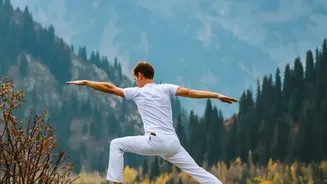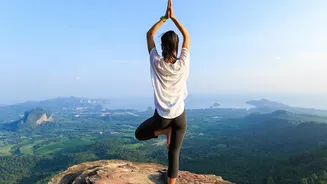

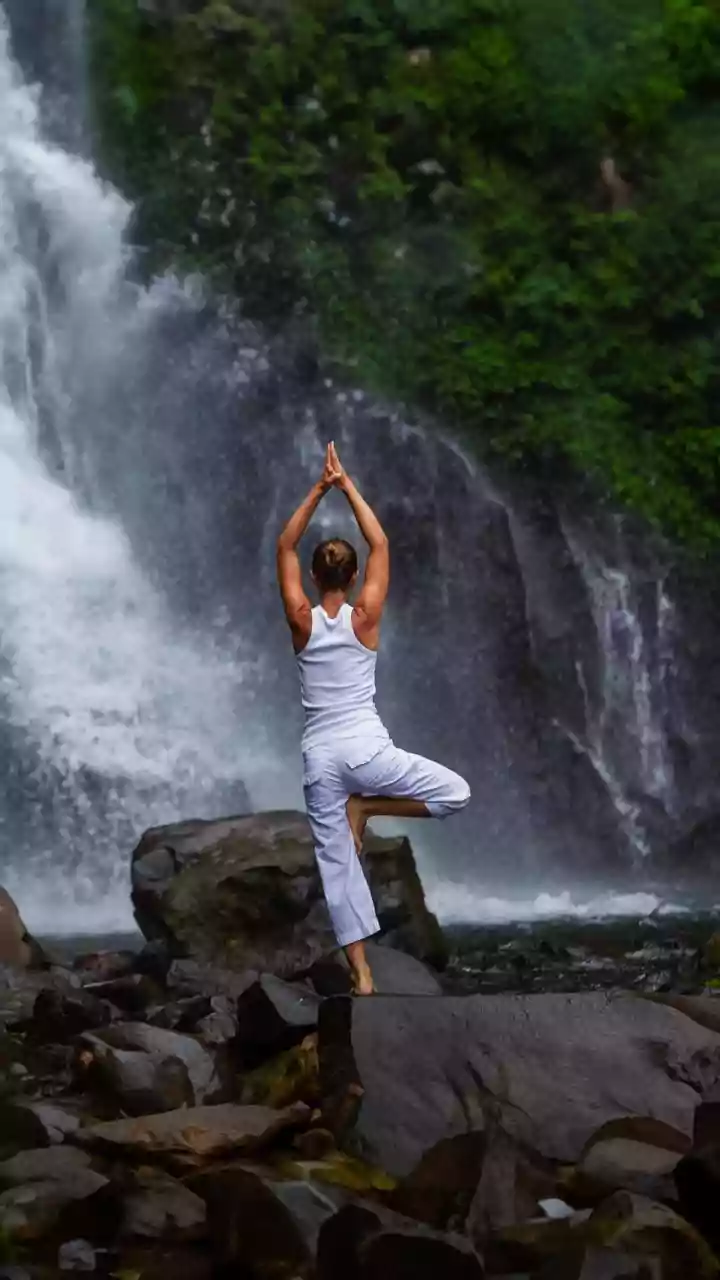
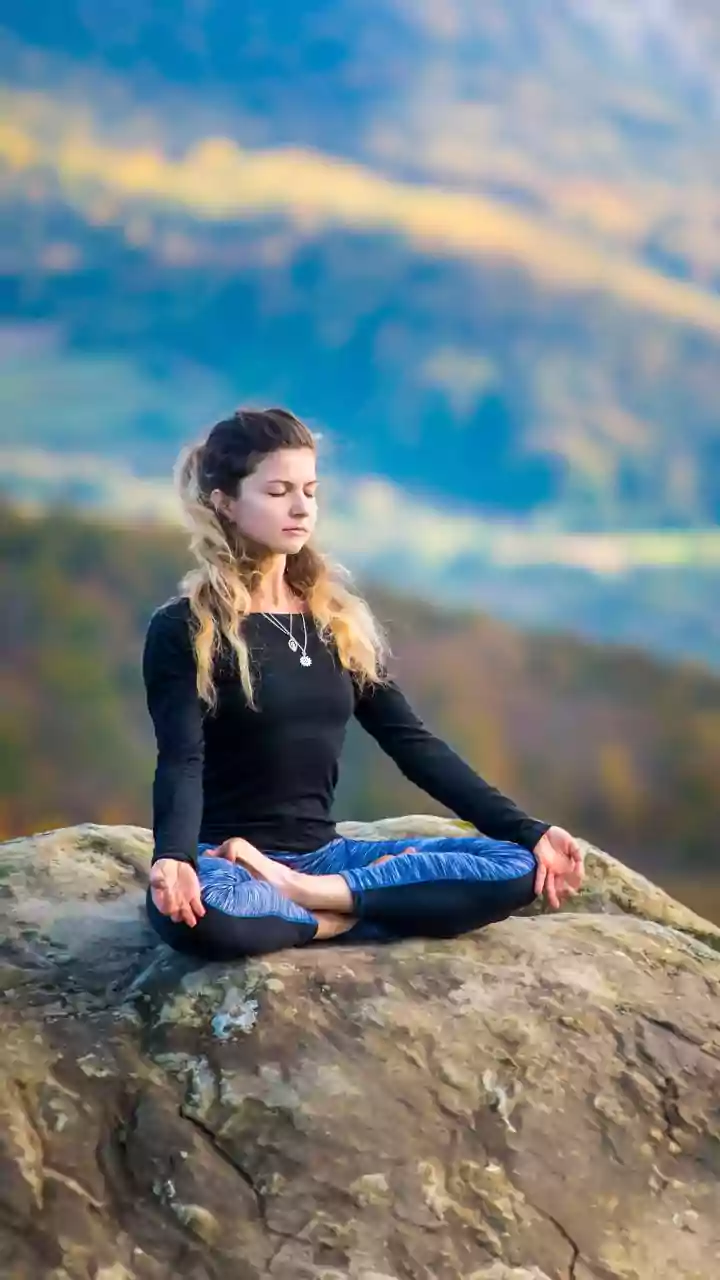

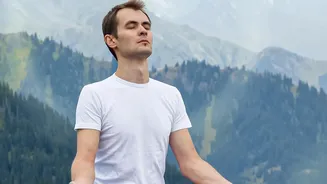
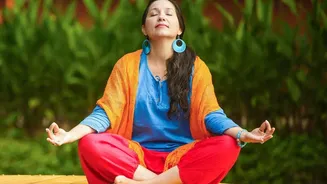

Today, yoga is a global phenomenon of studio classes, colourful mats, and designer activewear. But this modern image is a world away from its origins as a profound spiritual discipline rooted in ancient India. So, how did this happen?
Ancient Roots and Spiritual Goals
The story of yoga
begins more than 5,000 years ago in India. Its earliest forms, found in sacred texts like the Vedas, were not about physical fitness but spiritual liberation. The word 'yoga' itself comes from the Sanskrit root 'yuj', meaning 'to unite' or 'to join', signifying the union of the individual consciousness with a universal one. For centuries, it was a holistic practice combining meditation, ethical principles, and prayer, passed down from teacher to student. Around the 2nd century BCE, the sage Patanjali systematized this knowledge in the Yoga Sutras, a foundational text that defines yoga as the practice of quieting the mind's fluctuations. In this classical view, physical postures, or asanas, were just one of the eight 'limbs' of yoga, primarily intended to prepare the body to sit comfortably for long periods of meditation.
The First Journey to the West
For much of its history, yoga remained a deeply spiritual practice largely confined to India. Its global journey arguably began in 1893 at the Parliament of the World's Religions in Chicago. A young, charismatic Hindu monk named Swami Vivekananda captivated the audience not with physical poses, but with a powerful articulation of yoga's underlying philosophy, Vedanta. He presented yoga as a universal path of spiritual self-realisation, stripped of dogma and accessible to all. His speech marked a pivotal moment, introducing the intellectual and spiritual framework of yoga to a curious Western world for the first time, planting the seeds for what would come.
The Pioneers of Modern Postural Yoga
The 20th century saw a significant shift in how yoga was practiced and taught, even within India. A key figure in this evolution was Tirumalai Krishnamacharya, often called 'the father of modern yoga'. Teaching at the Mysore Palace, he developed a dynamic, physically demanding approach to asana practice. His influence spread worldwide through his prominent students. B.K.S. Iyengar, one of these students, developed a method focusing on precise physical alignment, often using props like blocks and belts to help students achieve poses correctly. Another, K. Pattabhi Jois, founded Ashtanga yoga, a vigorous, sequential style that synchronizes breath with movement. These teachers systemized physical practice in a way that made it more accessible and definable, laying the groundwork for the fitness-focused styles popular today.
From Counter-Culture to Wellness Culture
As these new, more physical forms of yoga reached the West, they found fertile ground in the counter-culture of the 1960s and 70s. Yoga was embraced as a path to mindfulness and an alternative to mainstream lifestyles. Over the following decades, however, its spiritual components were often downplayed as it entered the mainstream. By the 1980s and 90s, yoga became increasingly associated with physical fitness and stress relief. Studios began appearing in cities, and medical professionals started recommending yoga for its therapeutic benefits, such as increased flexibility and reduced anxiety. This marked a crucial turn, reframing yoga from a holistic life philosophy into a tool for physical and mental well-being within a modern wellness context.
A Multi-Billion Dollar Global Industry
The transformation was complete by the 2000s, as yoga fully merged with consumer culture. What was once a free, spiritual practice became a booming commercial industry. The yoga market, now valued in the billions globally, encompasses everything from high-end apparel and eco-friendly mats to expensive teacher trainings, luxury retreats, and specialized apps. The rise of virtual classes has further expanded its reach, making it accessible to millions from their homes. This commercialization has made yoga available to more people than ever before but has also sparked debate about the dilution of its authentic roots and cultural appropriation. The focus on yoga as a product or a workout often overshadows its original purpose as a path to inner stillness and enlightenment.