



Assess Road Conditions and Accessibility
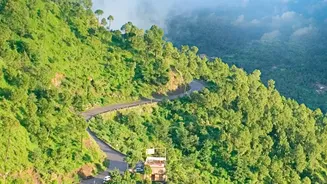
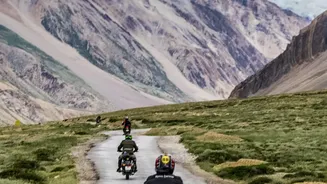
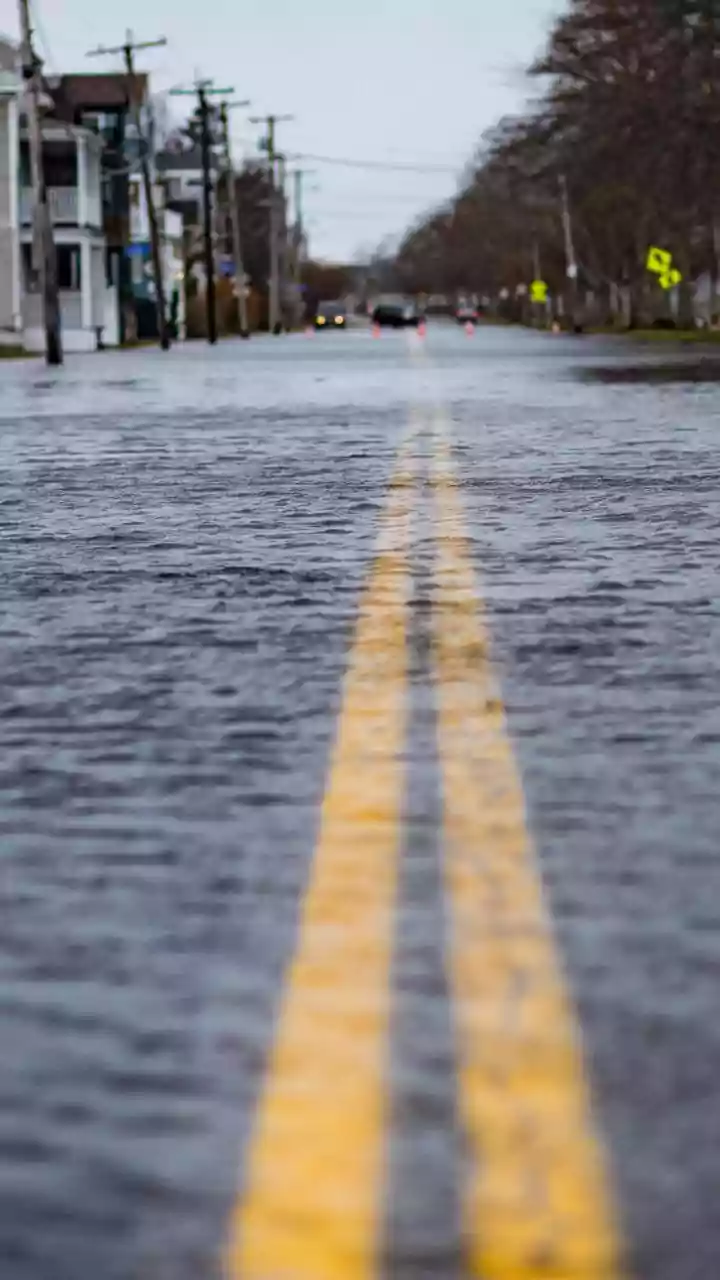
The single most critical factor for a monsoon hill trip is the condition of the roads. Heavy rains frequently trigger landslides and flash floods, leading to road blockages that can leave travellers stranded for hours or even days. Before you book, and again
just before you leave, check for official advisories from local police and disaster management authorities. Many popular routes, especially in the Himalayas, are vulnerable. Driving at night is particularly hazardous due to poor visibility and the increased risk of falling debris. It’s also wise to have a backup route in mind and hire an experienced local driver who is familiar with the terrain and safer alternative roads. A quick check can be the difference between a scenic drive and a holiday-ruining halt.
Monitor Weather Forecasts and Alerts
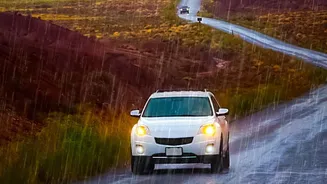
Monsoon weather is notoriously unpredictable. A sunny morning can turn into a torrential downpour by the afternoon. Make it a habit to check weather forecasts from reliable sources like the India Meteorological Department (IMD) daily in the week leading up to your trip. Pay close attention to district-level alerts rather than just state-level forecasts. An 'Orange' alert (be prepared) should prompt you to consider delaying, while a 'Red' alert (take action) is a clear signal to postpone your journey. This simple step is crucial, as many hill disasters are caused by short, intense cloudbursts that can occur even in a seemingly weak monsoon season.
Confirm Your Accommodation’s Status
Just because you have a booking confirmation doesn't mean the property is easily reachable or fully operational. Call your hotel or resort directly a few days before your trip. Ask specifically if the roads leading to the property are open and safe. Inquire about their preparedness for common monsoon issues like power cuts and water supply disruptions. Ensure the accommodation is well-constructed and not located in a zone prone to waterlogging or landslides. Some remote properties might become inaccessible after heavy rain, so confirming these details provides peace of mind.
Prepare a Monsoon-Specific Health Kit
The rainy season brings a higher risk of water-borne and mosquito-borne diseases like dengue and malaria. Your standard first-aid kit needs a monsoon upgrade. Pack mosquito repellent, antifungal creams, and any prescribed medications. It is highly advisable to drink only bottled or purified water and avoid street food, no matter how tempting. Contamination risks are higher during this season. Also, pack essentials for common ailments like colds and fevers, which can be triggered by getting drenched in the rain. A well-stocked health kit is a non-negotiable part of monsoon travel.
Check if Local Activities Are Operational
Many of the attractions that draw people to hill stations, such as trekking trails, boating, and viewpoints, may be closed for safety reasons during the monsoon. Heavy rains can make trails slippery and dangerous, and water bodies can become unsafe. Before you finalise your itinerary, check with local tourism offices or your hotel about the operational status of key attractions. Being flexible is key; you might need to swap an adventurous trek for a cozy cafe-hopping day if the weather turns. Continuing with a pre-booked activity despite warnings is a common mistake that can lead to risky situations.
Verify Power and Network Connectivity
Power cuts are common in hill stations during stormy weather. Similarly, mobile network and internet connectivity can be patchy or non-existent, especially in remote areas. While this might sound like a perfect digital detox, it can be a problem in an emergency. Before leaving, make sure you have fully charged power banks. It's also a good idea to download offline maps of the region and save important contact numbers—like your hotel, local police, and emergency services—directly onto your phone. Inform a family member or friend of your detailed itinerary before you go.
Pack for Wet and Unpredictable Conditions
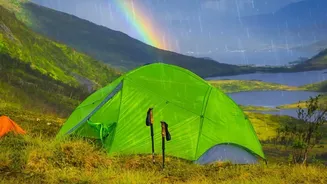
Your packing list for a monsoon trip is different from a summer one. Prioritise function over fashion. Pack lightweight, synthetic clothes that dry quickly, as damp clothes can become a nuisance. A reliable waterproof jacket, an umbrella, and slip-resistant waterproof footwear are essential. It is also wise to carry waterproof bags or zip-lock pouches to protect your electronic gadgets, documents, and medicines from moisture. Tossing in a few extra pairs of socks is a small trick that can make a huge difference to your comfort after a rainy walk.