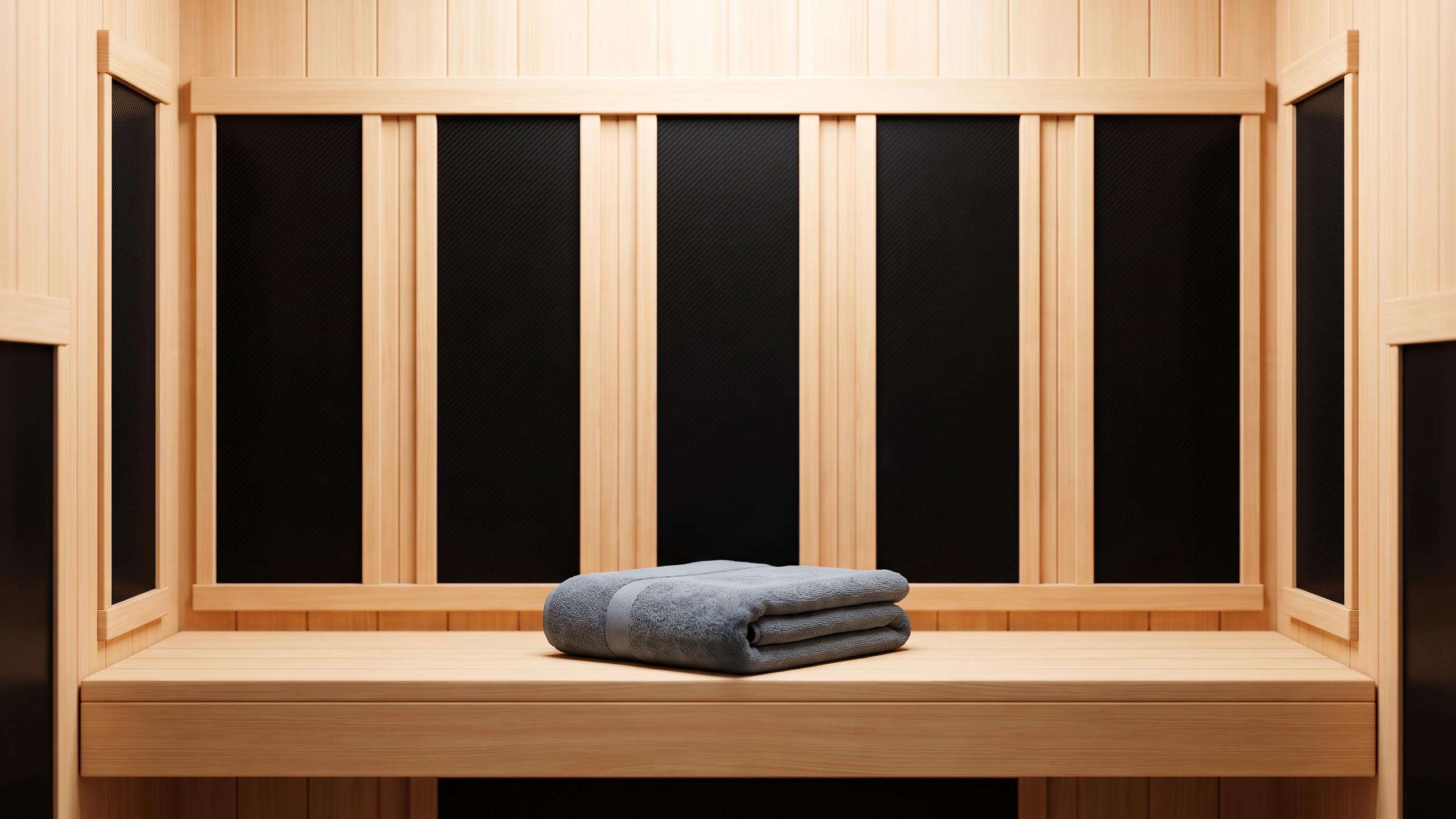







Understanding the Two Types of Heat
At first glance, steam rooms and infrared saunas seem similar—they both make you sweat and help you relax. However, they heat your body in fundamentally different ways. A steam room uses a generator to boil water, filling the room with moist heat and creating
an environment with nearly 100% humidity. This warms the air around you, which in turn heats your body. An infrared sauna, on the other hand, uses infrared light waves to heat your body directly, from the inside out. These waves penetrate beneath the skin, warming muscles and tissues without needing to heat the air to extreme temperatures. This core difference in heat delivery is central to why many fitness enthusiasts are choosing one over the other for recovery.
The Case for Infrared Saunas
The primary advantage of infrared saunas for muscle recovery lies in their ability to penetrate deep into the body. This deep-penetrating heat can increase blood circulation, delivering more oxygen and nutrients to fatigued muscles, which is crucial for repairing the micro-tears that cause soreness. This enhanced blood flow can help flush out metabolic waste products that accumulate during exercise, potentially speeding up recovery. Furthermore, because infrared saunas operate at a lower ambient temperature (typically 100-140°F) compared to steam rooms (around 110-120°F but with high humidity making it feel hotter), users can often tolerate longer sessions. This extended, comfortable heat exposure can be more effective for a thorough recovery protocol. Studies have suggested that regular infrared sauna use can reduce muscle soreness and help athletes maintain performance.
The Traditional Power of Steam Rooms
High-heat steam rooms have long been a staple in gyms and spas for good reason. The moist heat is excellent for relaxing tense muscles and can help reduce the pain associated with delayed-onset muscle soreness (DOMS). The high humidity in a steam room is particularly beneficial for the respiratory system, helping to open up airways and clear congestion. This can be a welcome relief after a strenuous workout. Some studies suggest that moist heat may even work faster than dry heat for muscle recovery. The enveloping warmth of a steam room also triggers a relaxation response, helping to lower stress hormones like cortisol, which can be elevated after intense exercise. Improved blood flow and the loosening of stiff joints are also well-documented benefits.
The Recovery Showdown: Why Infrared Often Wins
When the specific goal is muscle recovery, infrared saunas often have the edge due to the efficiency of their heat. While steam rooms heat the surface of the skin, infrared waves penetrate up to 1.5 inches into soft tissue, directly targeting sore muscles and joints. This targeted approach is believed to be more effective at reducing inflammation at a deeper level and promoting cellular repair. One study noted that infrared sauna use helped athletes prevent a decline in jump performance and improved their perceived recovery. While both methods boost circulation, the direct-to-muscle heating of an infrared sauna offers a more focused therapeutic effect. For athletes looking to speed up the repair process and get back to training faster, this deeper, more targeted heat is often the deciding factor.
Comfort, Convenience, and Consistency
A wellness practice is only effective if you do it consistently, and comfort plays a huge role. Many people find the lower-temperature, dry environment of an infrared sauna more tolerable than the intense, humid air of a steam room. This allows for longer, more relaxing sessions without feeling overwhelmed by the heat. The experience in an infrared sauna is often described as a gentle, soothing warmth, making it an approachable and repeatable part of a fitness routine. In contrast, the high humidity of a steam room can feel suffocating to some, limiting the duration of their session. For fitness professionals who prioritize consistency in their recovery protocols, the more comfortable and sustainable option often becomes the recommended one.