





The Heart of Assam's Tea Country
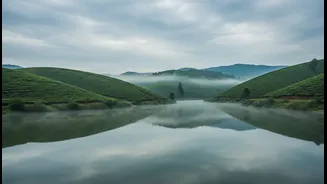
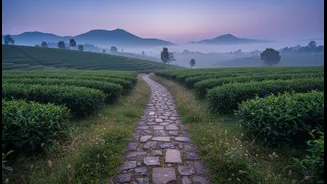
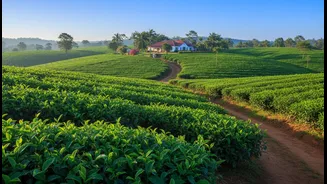
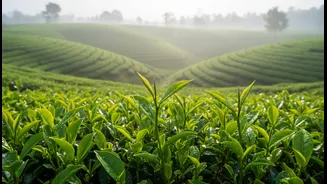
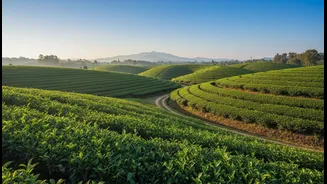
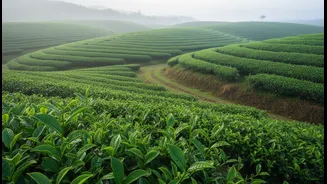
Jorhat is surrounded by more than 135 lush tea estates, making it an undisputed paradise for tea lovers. Historic gardens like the Cinnamora Tea Estate, Assam's first, offer a glimpse into the colonial-era origins of the industry. Many estates now welcome
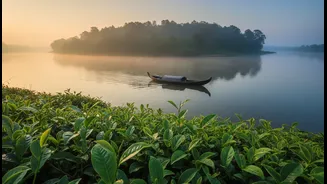
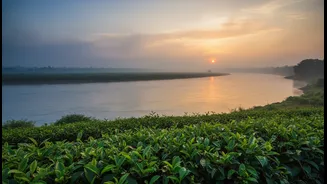
visitors for guided tours where you can witness the journey of the tea leaf from the bush to your cup, and even try your hand at plucking. For a deeper dive, the Tocklai Tea Research Institute, the world's oldest and largest of its kind, provides fascinating insights into the science and innovation that drive the global tea trade. You can stay in restored colonial bungalows on the estates, waking up to misty green vistas and the aroma of freshly brewed Assam tea, making for a truly immersive experience.
Gateway to Majestic Majuli
One of Jorhat’s most significant roles is as the primary gateway to Majuli, the world's largest river island and a hub of neo-Vaishnavite culture. A short drive from the city takes you to Nimati Ghat, where ferries make the journey across the mighty Brahmaputra River to this serene island. Majuli is home to ancient 'satras' or monasteries, where you can observe unique traditions, mask-making, and devotional music that have been preserved for centuries. The island's tranquil landscape, dotted with small villages and rice paddies, offers a peaceful escape from the mainland's hustle. Exploring Majuli on a rented bicycle or scooter is a popular way to soak in its rustic charm and interact with the local Mishing and Deori communities.
A Tapestry of Ahom Kingdom History
Jorhat was the last capital of the powerful Ahom dynasty, and its surroundings are rich with historical monuments that tell tales of its royal past. A short trip to nearby Sivasagar reveals architectural marvels like the Rang Ghar, an ancient amphitheatre, and the vast Sivasagar tank. Within Jorhat itself, you can visit the Raja Maidam, the burial vault of the last Ahom king, Purandar Singha. The Sukapha Samannay Kshetra is a grand memorial dedicated to the founder of the Ahom kingdom, offering a deep dive into the region's history. For those interested in military history, Lachit Borphukan's Maidam pays homage to the legendary general who famously defeated the Mughals in the Battle of Saraighat.
Encounters with Rare Wildlife
Just 20 kilometres from Jorhat lies the Hoollongapar Gibbon Sanctuary, an essential stop for wildlife enthusiasts. This protected evergreen forest is renowned for being home to India's only ape, the Hoolock Gibbon, as well as the country's only nocturnal primate, the Bengal Slow Loris. Walking through the dense forest, guided by forest guards, you can hear the distinct calls of the gibbons echoing through the trees. The sanctuary also hosts a variety of other primate species, including the stump-tailed macaque and capped langur, along with elephants, leopards, and over 200 species of birds. Its proximity to Jorhat makes it an easy and rewarding day trip, offering a chance to connect with the region’s incredible biodiversity.
The Practical Hub for Modern Travellers
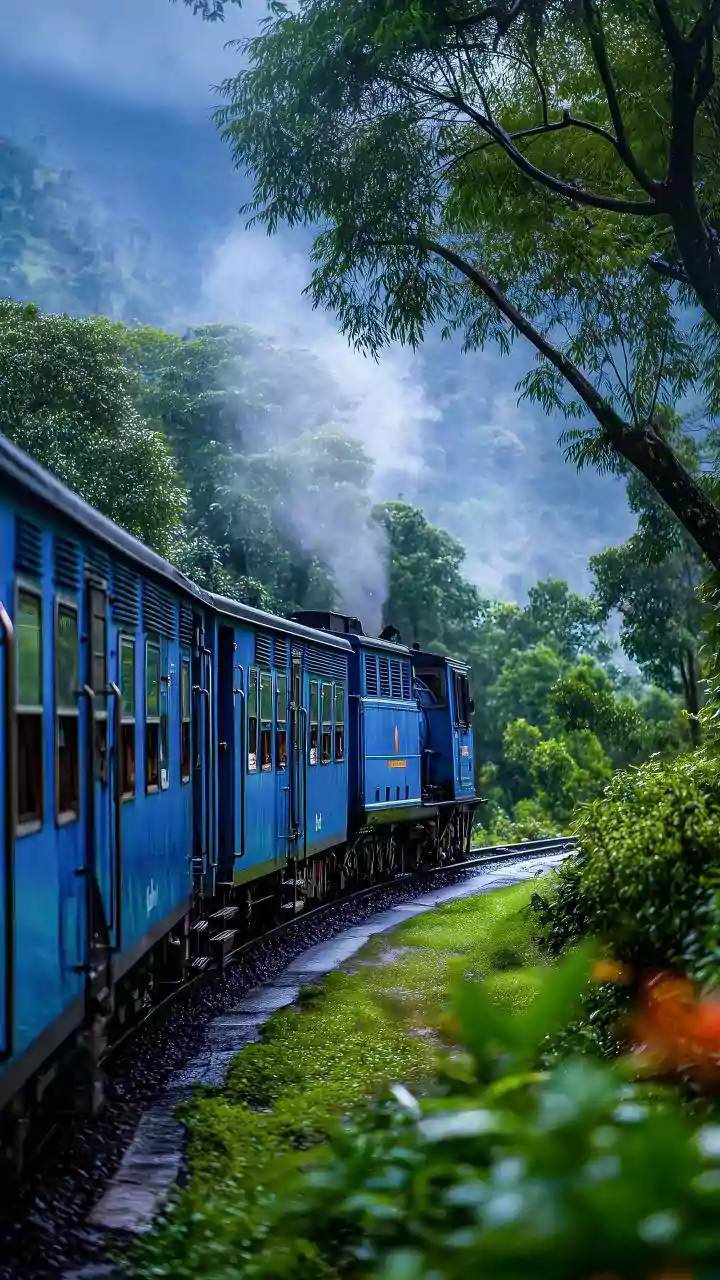
What truly cements Jorhat's position as a base is its excellent connectivity and infrastructure. The city has its own airport with connections to major cities like Kolkata and Delhi, a key railway junction at Mariani, and a robust network of roads. This makes it easy for travellers to arrive and then venture out to surrounding attractions without long and arduous journeys. The city itself offers a range of accommodation options, from heritage tea bungalows to comfortable modern hotels, catering to different budgets. With its blend of accessibility and proximity to a diverse set of attractions, Jorhat provides the perfect balance of convenience and authentic Assamese adventure.