

A New Anchor for European Travel
The classic European tour for many Indians has long been a multi-country sprint in May or June, timed to coincide with school holidays. But travel experts are noticing a significant shift. A growing number of travellers are now planning their trips for the autumn,
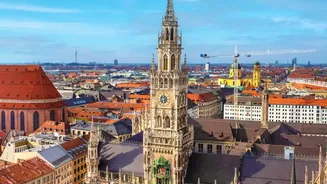
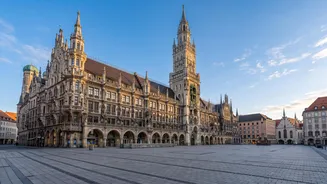
specifically to align with Oktoberfest, the world's largest folk festival held in Munich. Recent travel data for the 2026 festival shows a nearly 60% year-on-year surge in air bookings from India to Munich for the festival period. This makes India the fastest-growing major market for the event, outpacing traditional tourist sources and signalling a fundamental change in what Indian globetrotters seek from a European vacation.
From Sightseeing to Experience-Seeking
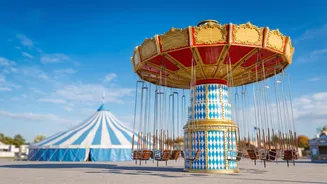
This trend highlights a deeper evolution in the mindset of the Indian traveller. The focus is shifting from passive sightseeing—ticking off landmarks like the Eiffel Tower and the Colosseum—to actively seeking immersive cultural experiences. Festivals like Oktoberfest, which runs from late September to early October, offer a vibrant, photogenic, and unique experience that a standard city tour cannot replicate. The appeal lies in its energy, traditional Bavarian culture, and the communal atmosphere inside the massive beer tents, which many find comparable to the festive spirit of a large Indian wedding. This desire for memorable, shareable moments has made once-niche European events a new priority.
The Practical Perks of Autumn Travel
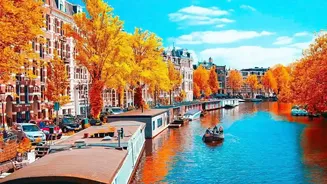
Beyond the festival itself, the timing has significant practical advantages. September and October are considered 'shoulder seasons' in Europe. This period offers a sweet spot of pleasant, crisp weather ideal for sightseeing, but with far fewer crowds than the packed months of July and August. For travellers, this means shorter queues at major attractions across the continent and a more relaxed atmosphere. Furthermore, flights and hotels are often more affordable than during the peak summer season, making an autumn trip a better value proposition. This allows travellers to enjoy the best of both worlds: a world-famous event and a more comfortable, budget-friendly tour of other European cities.
How Travellers Are Building Their Itineraries
Oktoberfest is often not just the destination but the anchor for a longer, more comprehensive European holiday. While some younger travellers might fly in for a short, high-energy festival trip, many others are using Munich as a starting point for a multi-city or multi-country tour. Data shows a notable increase in bookings for stays of 14 nights or more, suggesting that Indian tourists are combining the festival with visits to nearby countries like Austria and Switzerland, or other German regions like the Black Forest. Travel companies have responded by curating special packages that blend the festival with classic European itineraries, offering guided tours that might start in Germany and then proceed to Paris or the Swiss Alps.
A Surprising Rise in Solo Trips
Interestingly, the surge in travel for Oktoberfest isn't just from families or large groups. Data for the 2026 festival reveals that solo travellers account for a remarkable 47% of international flight bookings. This suggests the event is increasingly attracting independent Indian visitors who are confident navigating a large-scale international festival on their own. The accessibility of the event—entry is free, and it's centrally located in Munich—makes it an easy addition to a solo traveller's itinerary. This trend challenges the old assumption that such events are only for organised tour groups and points to a more adventurous and independent Indian traveller.