



The Sunshine Vitamin Paradox
It’s a curious situation: despite ample sunlight, a significant portion of the Indian population, from children to adults, has insufficient levels of Vitamin D. Modern indoor lifestyles, long working hours, pollution that blocks UVB rays, and clothing
that covers most of the skin all contribute to this deficiency. While our skin can produce Vitamin D from sun exposure, these factors mean that for many, it is simply not enough, making dietary sources more important than ever.
Natural Vitamin D Sources in Indian Diets
The truth is, traditional Indian vegetarian diets have very few natural sources of Vitamin D. The best natural sources are non-vegetarian. Fatty fish like Hilsa, Mackerel (Bangda), and Sardines (Mathi) are packed with it. Egg yolks are another good and affordable source, containing a useful amount of this fat-soluble vitamin—so don't just eat the whites. For vegetarians, the options are more limited. Mushrooms, especially when exposed to sunlight for 30-60 minutes before cooking, can generate a significant amount of Vitamin D2. However, commercially grown mushrooms raised in the dark have negligible amounts.
The Rise of Fortified Dairy
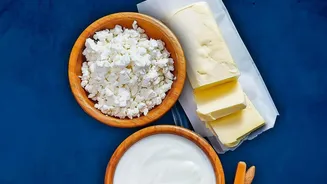
Recognising the widespread deficiency, the Food Safety and Standards Authority of India (FSSAI) has encouraged the fortification of staple foods. Milk has become a primary vehicle for this. Many major dairy brands across India now fortify their milk with Vitamins A and D. This makes products derived from it, like dahi (curd) and paneer, potential sources as well, provided they are made from fortified milk. This is a simple and effective way to boost intake, as milk and its derivatives are an integral part of daily Indian meals.
Exploring Plant-Based Options
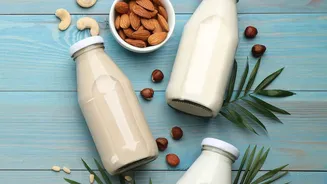
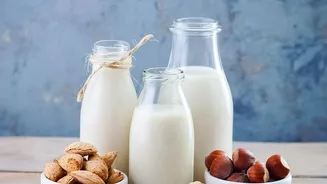
The plant-based food market in India is growing, offering new avenues for fortification. For vegans, those with lactose intolerance, or anyone looking to diversify their diet, fortified plant milks are an excellent choice. Soy milk, almond milk, and oat milk are increasingly available and are often fortified with calcium and Vitamin D, making them nutritionally comparable to dairy milk in this regard. Brands like Sofit, Urban Platter, and Oatey offer a range of fortified plant-based beverages that can be used in tea, coffee, smoothies, or with breakfast cereals.
How to Identify Fortified Foods
So, how do you know if a product is fortified? Look for the FSSAI’s ‘+F’ logo on the packaging. This blue logo is a reliable indicator that the food has been fortified with essential micronutrients according to government standards. You should also check the nutrition information panel on the label, which will list the specific vitamins and minerals added and their quantities per serving. This simple habit can help you make informed choices at the grocery store and ensure you're getting the nutrients you need.