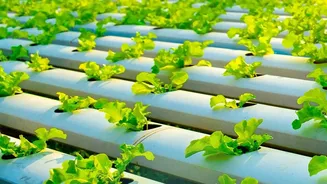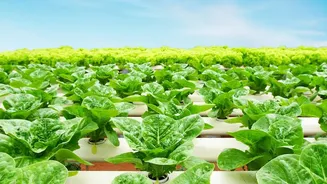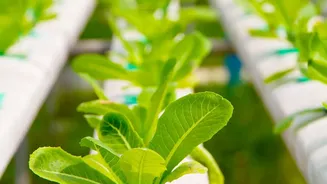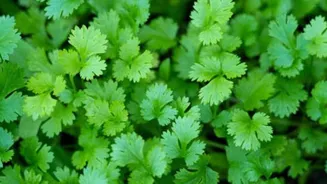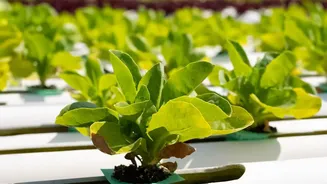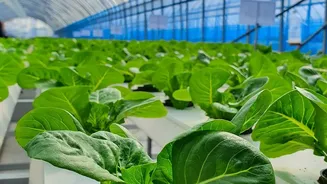


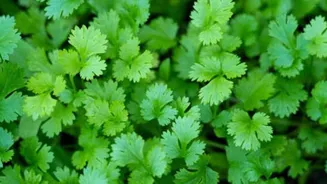
The fresh, citrusy aroma of coriander, or dhaniya, is essential in Indian cooking. Imagine having a fresh supply right in your kitchen, free from soil and pests. Hydroponics offers a clean, efficient way to grow this beloved herb indoors.
Why Grow Coriander Without Soil?
Growing herbs
in soil-filled pots on a windowsill is traditional, but it comes with challenges like pests, mess, and inconsistent growth. Hydroponics, the method of growing plants in nutrient-rich water, sidesteps these issues entirely. Plants often grow faster—some studies suggest 30-50% quicker—because their roots get direct access to all the nutrients they need without spending energy searching for them. This method also uses up to 90% less water than traditional gardening, as the water is recirculated. For urban homes and apartments, it means a cleaner, more controlled, and often more productive way to have fresh herbs on demand, all year round.
Your Hydroponic Starter Kit
Getting started with hydroponics might sound technical, but a basic setup for coriander is quite simple. You will need a container to hold water (a reservoir), net pots to hold the plants, a growing medium, and a liquid nutrient solution. For the growing medium, which supports the plant roots, common choices include rockwool, perlite, or coco coir. Beginner-friendly systems like the Kratky method (a non-circulating system) or a Deep Water Culture (DWC) setup are excellent for herbs. A DWC system involves an air pump and an air stone to oxygenate the water, which helps prevent root rot and promotes healthy growth.
Getting the Seeds Started
Coriander seeds can be tricky to germinate. What we call a 'seed' is actually a hard husk containing two potential seeds inside. To improve your chances, gently crack the husk before planting. Soaking the seeds for a few hours can also help. Instead of planting directly into your system, you can pre-sprout them. Place the cracked seeds between damp paper towels in a container for 7 to 10 days until tiny roots appear. Once the seedlings have their first true leaves and roots are visible, they can be carefully transferred into the net pots in your hydroponic system. This process avoids disturbing the sensitive taproot, which can cause the plant to 'bolt' or flower prematurely.
Light, Nutrients, and Care
Coriander needs the right balance of light and food to thrive. It requires about 12 to 16 hours of light per day; if you don't have a very sunny spot, an LED grow light is a must. For nutrients, you'll use a balanced hydroponic solution, which is readily available. Coriander is a light feeder, so it is important not to overdo it. You'll also need to monitor the pH of your water, keeping it in a slightly acidic range of 5.8 to 6.5, which allows the plant to absorb nutrients efficiently. Regularly checking and adjusting the nutrient solution every week or two ensures your plants get everything they need for lush, leafy growth.
Troubleshooting Common Problems
The biggest challenge with coriander is its tendency to bolt, where it flowers early and the leaves turn bitter. This is often triggered by heat stress. Keep the water temperature cool, ideally between 15°C and 22°C, to delay bolting. Choosing a 'slow-bolt' variety of seed can also make a big difference. Other potential issues include root rot, which appears as brown, slimy roots and can be prevented with good aeration. Yellowing leaves might indicate a nutrient imbalance or incorrect pH level. Finally, when you harvest, snip the outer leaves first and leave the central growth point intact. This 'cut-and-come-again' method will keep your plant producing for weeks.