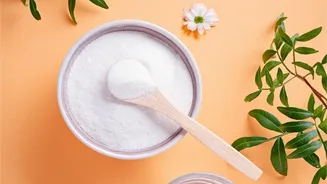




Protein powder isn't just for post-workout shakes anymore. Integrating it into your daily meals is a simple way to boost your nutrition. Here’s a practical guide to get you started on cooking and baking with this versatile supplement.
Choosing the Right Powder
Not all protein powders
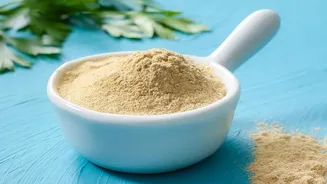
are created equal, and the type you choose will significantly impact your recipe's final taste and texture. Whey and casein are milk-derived proteins. Whey is versatile and blends well, making it great for lighter bakes like pancakes and cookies. Casein is thicker and can be a good choice for puddings or recipes needing a creamier consistency. Plant-based powders, such as pea, soy, or rice protein, absorb more liquid and can result in denser baked goods. When starting out, consider an unflavored powder to avoid overpowering your dish, or pick a flavor that complements your recipe, like vanilla for pancakes or chocolate for brownies.
The Golden Rule: Don't Replace Flour 1:1
The most common mistake when cooking with protein powder is treating it like flour. Protein powder has no gluten and absorbs much more liquid, so a direct swap will lead to dry, rubbery, or dense results. A safe starting point is to replace about one-third of the flour in a recipe with protein powder. For example, if a recipe calls for one cup of flour, use two-thirds of a cup of flour and one-third of a cup of protein powder. For recipes with less than two cups of dry ingredients, you might start by replacing just a quarter cup of flour. This ratio maintains better structure and texture while still providing a protein boost.
Keep It Moist
Since protein powder acts like a sponge, you must add extra moisture to your batter or dough to avoid a dry outcome. Ingredients like mashed banana, applesauce, Greek yogurt, pumpkin puree, or nut butters are excellent for this. They not only add liquid but also contribute to a softer, fudgier crumb. As a general guideline, you might need to add 1-3 tablespoons of extra liquid, like milk or water, for every 1/3 cup of protein powder used. The goal is a batter that is slightly thinner than the original recipe would produce.
Mastering the Method
How you mix and cook with protein powder also matters. First, mix the protein powder with the other dry ingredients before adding wet ingredients to ensure it's evenly distributed. When combining wet and dry, mix gently and only until the ingredients are just combined. Overmixing can develop a tough, chewy texture. Protein-fortified goods also tend to cook and brown faster. To prevent them from drying out or burning, consider lowering your oven temperature by about 15°C (or 25°F) and check for doneness a few minutes earlier than the recipe suggests.
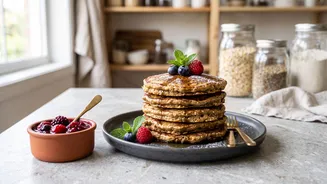
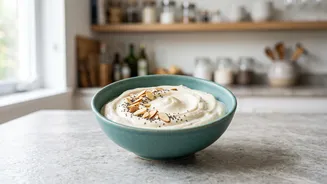
You don’t need complex recipes to begin. One of the easiest methods is to stir a scoop of protein powder into foods you already eat. Add it to your morning oatmeal, chia pudding, or a bowl of Greek yogurt. It also dissolves well into smoothies and even soups. For breakfast, try adding a scoop to your pancake or waffle batter for a filling start to the day. No-bake energy balls are another simple option: just mix protein powder with oats, nut butter, and a little maple syrup or honey, then roll and refrigerate. These small additions make it easy to incorporate more protein into your diet without a major overhaul.