


Understanding The Problem With Tension
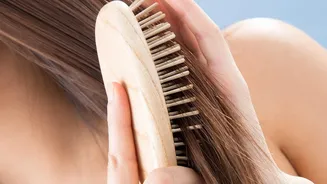
Many popular and beautiful hairstyles, from tight ponytails and sleek buns to intricate braids, can place excessive strain on hair follicles. This constant pulling, known as tension, can lead to soreness, headaches, and breakage. Over time, it can cause
a type of hair loss called traction alopecia, which often appears as thinning along the hairline and temples. The signs can be subtle at first—small bumps around braids or a tender scalp—but they are your hair's way of signaling distress. The goal is to find styles that don't pull at the root, allowing you to look great without sacrificing the health of your hair and scalp.
Loose and Chunky Twists
Two-strand twists are a fantastic low-tension choice because they don't require a tight anchor at the root to look good. Unlike micro-braids, which can create significant weight and pull on individual strands, larger and looser twists distribute weight more evenly. Flat twists, which are twisted against the scalp, are a gentler alternative to cornrows as the two-strand rolling technique naturally involves less pulling. The key is to start with moisturized hair and maintain a relaxed grip during installation. These styles protect your ends and are easy to moisturize, helping to retain length and reduce breakage.
The Gentle Updo: Low Buns and Puffs
High, tight ponytails are a known culprit for hairline stress. A simple switch to a low, loose bun or puff can make a world of difference. By gathering hair at the nape of the neck, you eliminate the upward pull on your delicate front edges. Instead of using tight elastic bands that can snag and break hair, opt for gentle alternatives like satin or silk scrunchies, spiral hair ties, or claw clips. These accessories hold the hair securely without creating a single point of intense pressure, making them perfect for a quick, elegant, and scalp-friendly style.
Knotless Braids Without the Tight Start
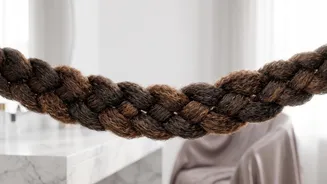
Knotless braids have become popular for a reason: they offer the look of traditional box braids with significantly less tension. The technique starts with your natural hair and gradually feeds in braiding hair, avoiding the tight knot at the scalp that can cause immediate pain and follicle stress. For an even lower-tension option, consider doing braids with just your own hair, which is lighter and allows your scalp to breathe more freely. To keep this style protective, ensure the parts aren't too small and communicate with your stylist if you feel any pulling or discomfort. Pain is not a sign of a long-lasting style; it's a sign of damage.
Embrace Your Natural Texture
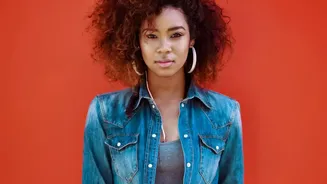
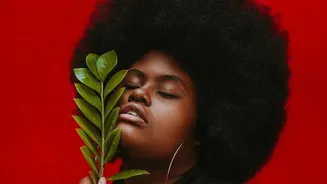
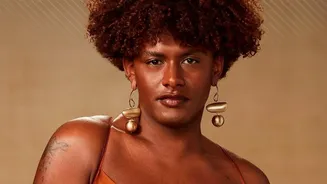
The ultimate low-tension hairstyle is wearing your hair out in a wash-and-go, twist-out, or braid-out. These styles allow your scalp to be completely free from pulling. A twist-out or braid-out gives you a defined pattern without requiring you to sleep in uncomfortable rollers. You can elevate these styles with accessories like soft headbands or scarves, which can add a touch of personality without compromising comfort. A well-moisturized afro or puff, perhaps held loosely with a claw clip or a gentle headband, is not only beautiful but also one of the healthiest ways to let your hair simply be.
The Glueless Wig as a Break
When you want a complete break from styling your natural hair, a well-fitted wig can be a great protective option, but only if installed gently. Avoid adhesives, glues, and tight wig bands that can wreak havoc on your hairline. Instead, opt for a glueless wig with an adjustable band that fits comfortably. Underneath, your hair should be moisturized and kept in low-tension braids or twists. This method allows your edges to rest and recover while still giving you the freedom to experiment with different looks.