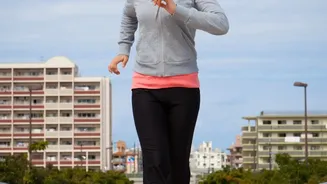








What Is Lymphatic Walking?
At its core, 'lymphatic walking' isn't a secret, complex technique. It's essentially a more intentional and mindful form of walking. Instead of just strolling, it involves specific cues: maintaining an upright posture, breathing deeply from your belly,
and swinging your arms more deliberately. Some versions also encourage adding gentle torso twists, shoulder rolls, and occasional high knees or calf pumps to create a more dynamic, full-body movement. The goal isn't speed or distance, but rhythmic, continuous motion that engages various muscle groups. Think of it as upgrading your daily walk from a simple leg exercise to a coordinated activity designed to get your entire body's fluid systems moving more efficiently.
Your Body's Unsung Hero: The Lymphatic System
To understand the trend, you first need to know about the lymphatic system. It's a crucial part of your immune system, a vast network of vessels and nodes that acts like the body’s waste disposal and fluid regulation service. It clears out cellular waste, transports infection-fighting white blood cells, and helps maintain fluid balance in your tissues. But unlike your circulatory system, which has the heart to pump blood around, the lymphatic system has no central pump. It relies entirely on external factors to move fluid along: namely, muscle contractions and deep breathing. This is why a sedentary lifestyle can lead to sluggishness and fluid retention, and why movement is so vital for feeling your best.
The Claims vs. The Science
Social media is buzzing with claims that lymphatic walking can 'flush toxins', 'melt fat', and instantly 'de-puff' your body. The reality is more nuanced. While exercise does support the lymphatic system, there's no scientific evidence that 'lymphatic walking' is superior to a regular, brisk walk of the same intensity. Any form of exercise that contracts your muscles—whether it's walking, swimming, or yoga—will boost lymphatic flow. The feeling of being 'lighter' or less bloated after a walk is real, but it's typically due to a temporary shift in body fluid, not fat loss. Your body's primary detoxification organs are the liver and kidneys, and no amount of walking can replace their function. The main benefit comes from consistency; the act of moving regularly is what supports overall health, improves circulation, and helps manage mild fluid retention.
How to Try It Yourself
The good news is that incorporating lymphatic walking principles is simple and free. On your next walk, focus on these cues: Stand tall with your shoulders relaxed and down, not hunched over. Let your arms swing naturally from the shoulder; avoid clutching your phone or keeping your hands in your pockets. This engages the upper body. Breathe deeply into your belly. This diaphragmatic breathing acts as a powerful pump for the lymphatic vessels in your chest and abdomen. Walk with a smooth, heel-to-toe motion. This helps activate your calf muscles, often called the 'second heart' for their role in pushing fluid up from your legs. You can also add gentle neck rolls, shoulder shrugs, and torso twists every few minutes to keep everything loose and mobile. Even a 20 to 30-minute walk incorporating these elements can make a difference.