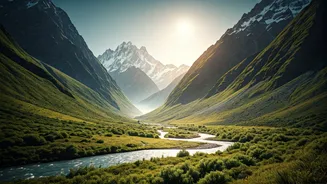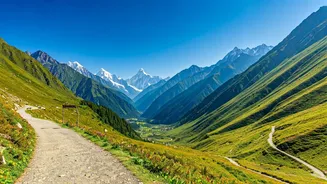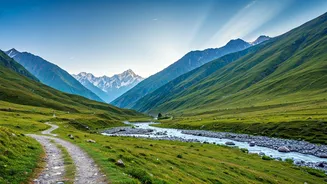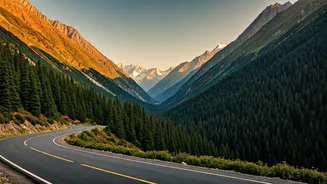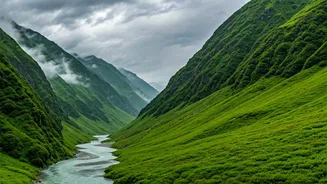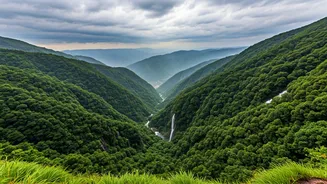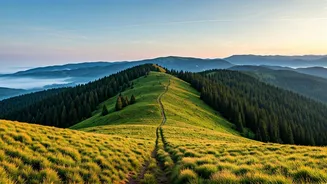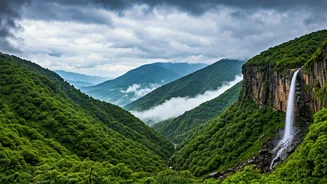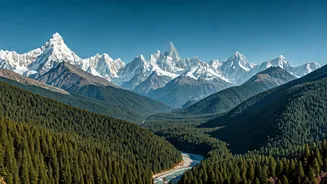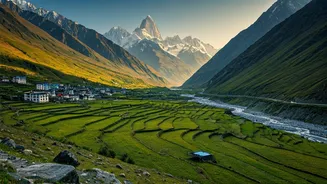



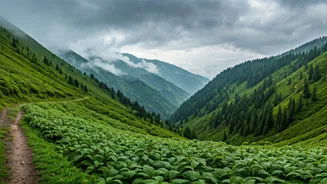


Tirthan Valley, Himachal Pradesh
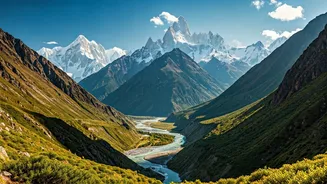
Long overshadowed by its bustling neighbours Kullu and Manali, Tirthan Valley was once a quiet haven for anglers and serious trekkers. [14, 24] Named after the pristine Tirthan River, its main draw is its status as the gateway to the Great Himalayan National
Park (GHNP), a UNESCO World Heritage Site. [14, 31] For years, it remained a destination for those in the know, offering a peaceful escape with eco-friendly homestays. [31] However, a recent surge in interest, partly fuelled by travellers seeking alternatives to overcrowded hill stations, has put Tirthan firmly on the map. [16, 24] Recent reports show a significant growth in footfall, with travellers drawn to its mix of gentle hikes, riverside relaxation, and authentic village life. [22] This has brought economic opportunity but also concerns about preserving the valley's fragile ecology. [24, 25]
Sainj Valley, Himachal Pradesh
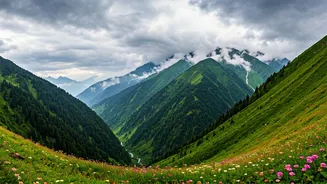
If Tirthan is getting famous, its neighbour Sainj is the next frontier. [8] Also nestled on the edge of the Great Himalayan National Park, Sainj Valley offers a glimpse of what Tirthan was like before the crowds arrived. [8] It is a land of serene meadows, traditional tower temples, and dense deodar forests. [7, 10] The main hub, Shangarh, is renowned for its vast, sacred meadow that feels like a slice of untouched paradise. [7, 9] Until recently, reaching Sainj was a challenge, preserving its isolation. Now, with more reliable information and transport options available from Aut, it is attracting slow travellers and those looking for a quieter alternative. [4, 8] Homestays are the primary mode of accommodation, ensuring tourism benefits the local community directly while maintaining the low-impact feel of the valley. [8, 12]
Tons Valley, Uttarakhand
On the border of Uttarakhand and Himachal Pradesh, the Tons Valley is rapidly emerging as a premier destination for adventure and culture. [26] While known in serious rafting circles for the challenging rapids of the Tons River, it has remained largely off the mainstream tourist radar. [26] That is now changing. Uttarakhand Tourism has identified the region for its adventure tourism potential. [26] The valley serves as a gateway to iconic treks like Har Ki Dun and is home to the unique Jaunsari community, whose culture and traditions are a major draw. [26] Unlike more commercialised destinations, Tons offers a raw, authentic Himalayan experience, attracting travellers who want to combine adrenaline with cultural immersion in a less crowded setting. [26, 27]
Pabbar Valley, Himachal Pradesh
Located in the Shimla district, Pabbar Valley is another gem that has remained surprisingly untouched by mass tourism. [5, 19] Known for its dense forests, sprawling apple orchards, and the shimmering Pabbar River, it offers a wide range of activities from trekking and camping to fishing. [5] The valley's relative anonymity has been its biggest asset, preserving its panoramic views and numerous nature trails. [5] While destinations like Shimla are experiencing a huge surge in visitors, those looking for quieter alternatives are beginning to explore places like Pabbar, drawn by the promise of enchanting scenery without the rush. [19, 22]
Darma Valley, Uttarakhand
A remote and deeply beautiful valley in the Pithoragarh district, Darma lies close to the Indo-Tibet border. [21, 29] Its fame is growing among trekkers as the route to the stunning Panchachuli Base Camp. [29] Access has historically been limited, preserving the traditional lifestyles of the local Rung communities in villages like Dantu and Dugtu. [29] The valley’s landscape is dramatic, with high-altitude meadows, glaciers, and the five iconic peaks of Panchachuli dominating the skyline. [29] As information about this trek becomes more widespread and infrastructure slowly improves, Darma is moving from a place known only to mountaineers to a bucket-list destination for serious adventure travellers seeking pristine, high-altitude Himalayan beauty. [21, 29]