



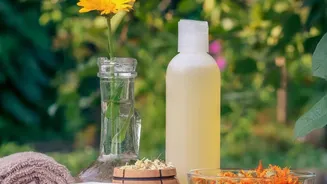
The Power of Neem: Nature's Defence
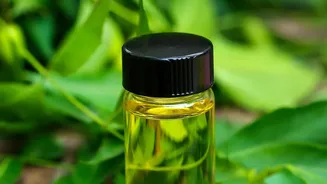
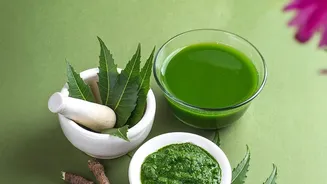
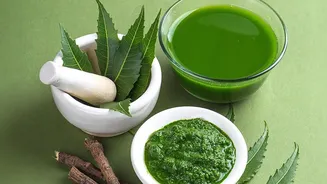
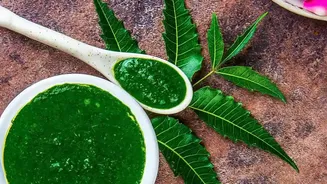
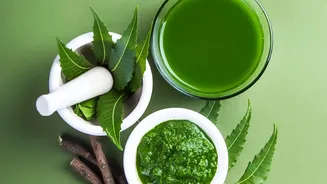
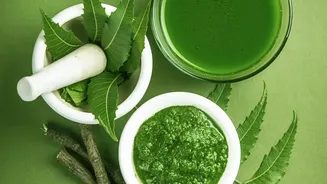
Neem oil, extracted from the seeds of the neem tree (Azadirachta indica), has been a cornerstone of Indian agriculture and medicine for centuries. Its power as a pesticide lies in a complex mix of over 100 compounds, with the most active ingredient being
azadirachtin. Unlike synthetic pesticides that kill indiscriminately, azadirachtin works in a multi-faceted way. It functions as an 'antifeedant', making treated leaves unpalatable to pests. It also acts as a growth regulator, disrupting the hormone systems of insects and preventing larvae from maturing into adults. This breaks the reproductive cycle of pests, offering a more sustainable, long-term solution. Pests are less likely to build resistance to this complex natural compound compared to single-action chemical alternatives.
Soapy Water: Simple, Swift, and Effective
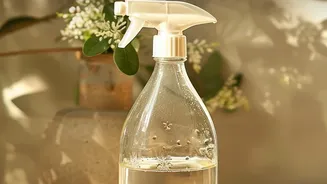
The humble soapy water spray is another giant in the world of natural pest control. It is most effective against small, soft-bodied insects like aphids, mealybugs, whiteflies, and spider mites. Its mechanism is brilliantly simple and purely physical. The soap works to wash away the protective waxy outer layer of an insect's body. Without this coating, the insect rapidly loses moisture, dehydrates, and dies. In some cases, the soap solution can also block the breathing pores (spiracles) on an insect's body, essentially suffocating them. Because it acts on direct contact and has no residual effect, it must be sprayed thoroughly to cover the pests.
How to Create Your Neem Oil Spray
Making your own neem oil spray is easy and ensures you have a fresh, potent mixture. Commercial pre-mixed solutions can lose their effectiveness over time. For a basic batch, you will need cold-pressed neem oil, a mild liquid soap, and warm water. The soap is crucial as it acts as an emulsifier, allowing the oil and water to mix. A standard recipe is to mix 1 to 2 teaspoons of neem oil with ½ teaspoon of a mild, pure soap (like castile soap) in one litre of warm water. Shake the mixture vigorously in a spray bottle. It's important to use the solution within eight hours, as neem oil's active components begin to break down once mixed with water.
Crafting the Perfect Soapy Water Mix
When making a soapy water spray, the type of soap you use matters greatly. Avoid harsh detergents or dishwashing liquids that contain degreasers, bleach, or synthetic fragrances, as these can scorch plant leaves. The safest option is a pure liquid soap, like unscented castile soap. A good starting ratio is one tablespoon of soap per litre of water. Mix it gently to avoid creating too much foam. As with any spray, it's wise to test the solution on a small part of the plant first and wait a day or two to check for any signs of damage before treating the entire plant.
Best Practices for Application
To maximise effectiveness and minimise any potential harm to your plants or beneficial insects, timing and technique are key. Always spray in the early morning or late evening. Applying these sprays in the direct, hot sun can cause the leaves to burn. Pests often hide on the undersides of leaves and in the joints of stems, so be sure to spray these areas thoroughly for full coverage. Reapplication is also important. For an active infestation, you may need to spray every 7 to 10 days until the pests are under control. For preventive care, a spray every couple of weeks can help deter new problems from starting.
A Safer Choice for Your Garden and Home
Choosing neem oil and soapy water is not just about killing pests; it's about fostering a healthier garden ecosystem. Unlike many broad-spectrum chemical pesticides that can harm beneficial pollinators like bees and ladybugs, these natural methods are much safer when used correctly. They are biodegradable and do not accumulate in the soil or water, posing less risk to the environment, your pets, and your family. By integrating these simple, powerful tools into your gardening routine, you embrace a practice that is both effective and in harmony with nature.