





Why Indoor Exercise Matters
A daily dose of activity is crucial for a dog's physical and mental health. Without it, they can become overweight, which may lead to joint or respiratory issues. Boredom can also cause destructive behaviours like chewing furniture or excessive barking.
Indoor activities provide essential mental stimulation, which can be just as tiring as physical exercise. These games not only burn off excess energy but also strengthen the bond you share with your pet.
Engage Their Nose with Scent Games
A dog’s sense of smell is incredibly powerful, and putting it to work is a fantastic mental workout. A simple game of “find the treats” can keep them engaged for ages. Have your dog stay in one room while you hide small, smelly treats or their favourite toy in another. Start with easy spots and gradually increase the difficulty as they get the hang of it. You can also use a snuffle mat, which is a fabric mat designed for hiding kibble, encouraging your dog to forage as they would in nature.
Master a New Trick
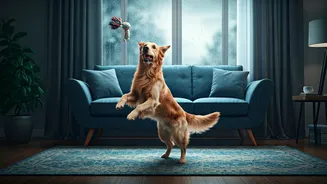
Training sessions are a brilliant way to combine mental stimulation with physical activity. Even 10-15 minute sessions can be very effective. Start with basic commands like 'sit', 'stay', and 'come', and then move on to more complex tricks like 'roll over', 'spin', or 'play dead'. Teaching your dog the names of their toys and asking them to fetch a specific one is another excellent brain game. The focus required to learn and perform these tasks helps to tire them out in a productive way.
Play Hide-and-Seek
This classic game is not just for kids; dogs love it too. It engages their natural instinct to search and find. Ask your dog to stay while you go and hide. Once you're hidden, call their name and let them find you. When they succeed, reward them with plenty of praise and a treat. This game reinforces recall commands while providing a fun physical and mental challenge that can be played in any home, big or small.
Set Up a DIY Obstacle Course
You don't need professional equipment to create a fun agility course at home. Use household items like pillows to jump over, chairs to weave through, and a blanket draped over two chairs to create a tunnel. Guide your dog through the course with treats and encouragement. This activity builds confidence and coordination while providing a great workout. Always supervise your dog and ensure the obstacles are safe and appropriate for their size and physical ability.
Introduce Puzzle Toys
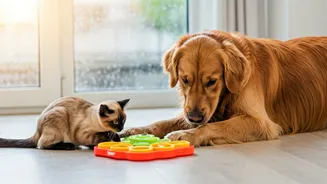
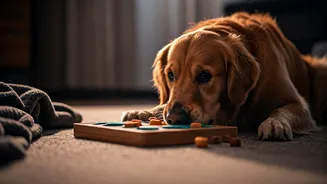
Interactive puzzle toys are designed to challenge your dog's problem-solving skills. These toys require your dog to slide, lift, or paw at components to reveal hidden treats. They provide significant mental enrichment and can keep a dog occupied independently. You can also create a simple DIY puzzle by placing treats in a muffin tin and covering them with tennis balls, forcing your dog to figure out how to get to the reward. These games turn mealtime into a stimulating activity.
Controlled Games of Fetch and Tug
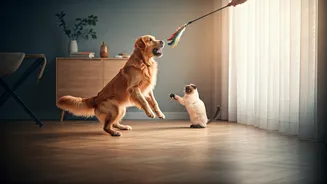
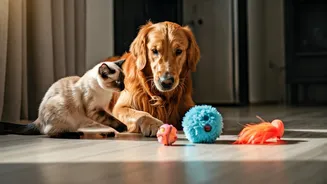
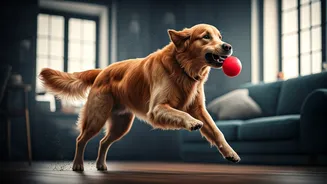
Classic games like fetch and tug-of-war can easily be adapted for indoors. For fetch, use a soft, lightweight toy and play in a hallway or a clear area to avoid damage. For tug-of-war, use a designated rope or toy and teach your dog a “drop it” command to keep the game controlled. It’s a great way to burn energy quickly, but be gentle to avoid putting too much strain on your dog's neck or teeth. Letting your dog win occasionally keeps the game fun and engaging.