



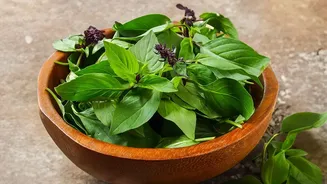
Monsoon-Proof Your Balcony Garden
Gardening during the rains is less about watering and more about managing excess moisture. The biggest threat to your potted herbs is waterlogging, which can lead to root rot. Start by ensuring every pot has drainage holes. If you use decorative planters
without holes, drill some yourself. Elevating your pots on bricks or pot feet is another simple but effective trick to allow water to escape freely. The right soil mix is also crucial. Heavy soil retains too much water, so opt for a light, well-aerated mix. A combination of regular potting soil, cocopeat, and sand or perlite creates the perfect environment, providing nutrients while allowing excess water to drain away. Finally, consider where you place your plants. While they need light, shielding them from the heaviest, most direct downpours can prevent soil erosion and damage to delicate leaves.
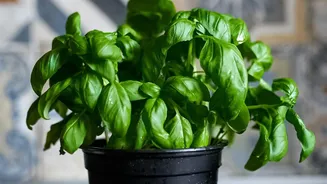
Growing Basil (Tulsi) in the Rains
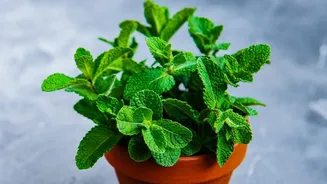
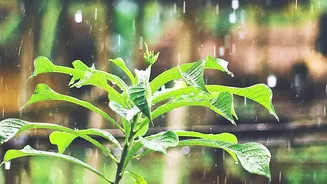
Basil, especially the revered Tulsi, is a staple in many Indian homes. During the monsoon, its primary enemies are fungal diseases and root rot, which thrive in damp, humid conditions. Plant your basil in a pot with excellent drainage and use a sandy, well-draining soil mix. Avoid overcrowding the pot to ensure good air circulation around the leaves, which helps prevent fungal issues like downy mildew. Water the plant only when the top inch of the soil feels dry to the touch. The rain will likely take care of most of its water needs. Be sure to prune your basil plant regularly. Snipping off the top sets of leaves encourages bushier growth and better airflow. It also gives you a steady supply for your kitchen.
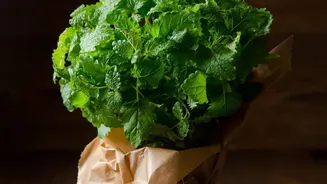
Cultivating Mint (Pudina) for a Fresh Harvest
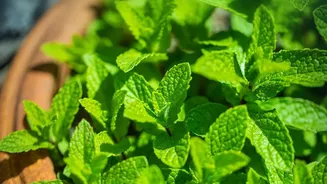
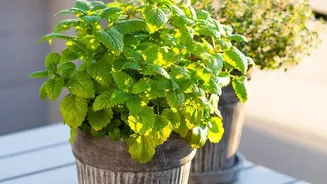
Mint is famously easy to grow and loves water, making it a good candidate for the monsoon season. However, even mint can suffer from waterlogged soil. Plant it in a wide container rather than a deep one, as its roots spread shallowly. A well-draining soil mix is non-negotiable. One of mint's key characteristics is its aggressive growth; it will quickly take over any space it's given, so it's best to grow it in its own container. During heavy rains, if the pot becomes waterlogged, tilt it to drain the excess water. Regular pruning is essential not just for harvesting but also for maintaining the plant's health. Trim yellowing or blackened stems caused by excessive moisture to encourage fresh, healthy growth.
Tips for Thriving Lemongrass
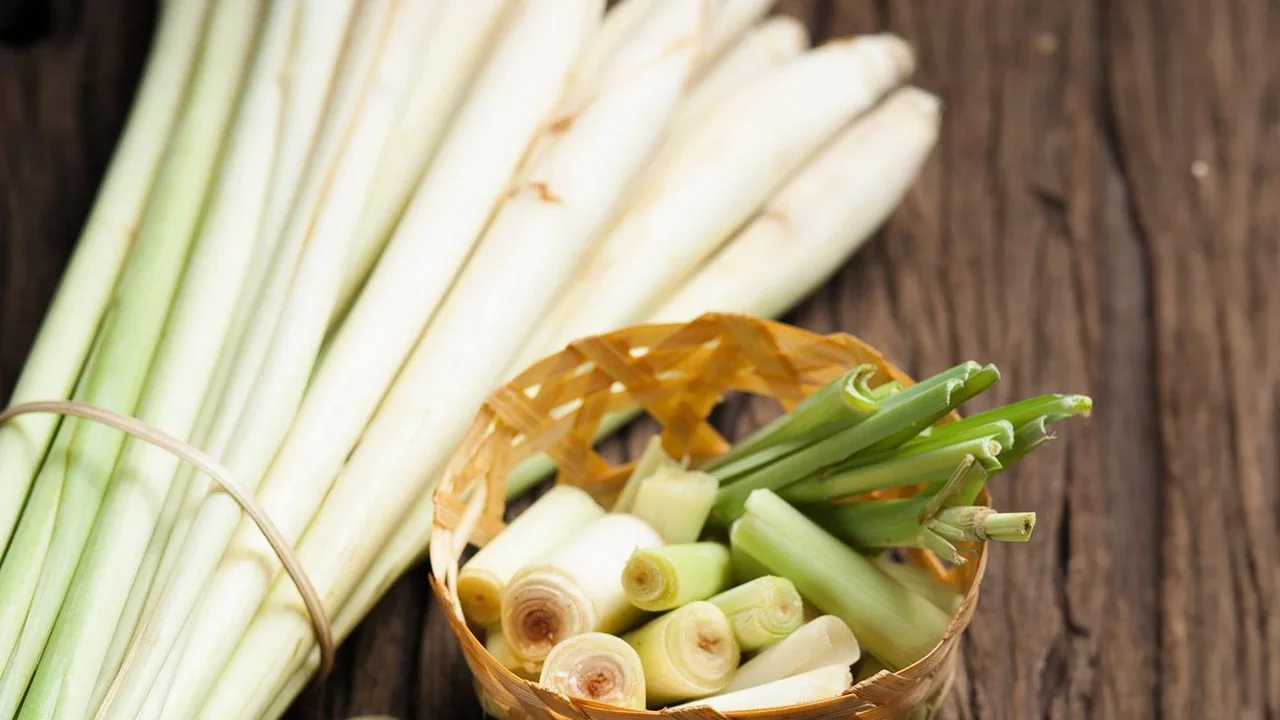
Lemongrass adds a wonderful fragrance and flavour to teas and Asian dishes. As a tropical grass, it enjoys humidity and moisture but still requires good drainage and plenty of sunlight to thrive. Choose a large, deep pot (at least 5 gallons) to accommodate its growing root system. While it appreciates regular watering, the soil should not remain soggy. A position that gets at least six hours of sunlight is ideal, as the sun helps dry out the soil between rainy spells. A balanced potting mix will keep it healthy. If your balcony is very windy, place the tall pot in a protected corner to prevent it from tipping over. You can start harvesting stalks once the plant is about a foot tall and the base is about half an inch thick.
Managing Pests and Diseases
High humidity and damp conditions create a perfect breeding ground for pests and fungal diseases. Powdery mildew, which looks like a white powder on leaves, is common and can be managed by ensuring good air circulation. Root rot is another major concern caused by overwatering; its main symptom is a plant wilting even when the soil is wet. Keep an eye out for common pests like aphids, mealybugs, and slugs. Inspect the undersides of leaves regularly. Minor infestations can often be handled by a strong spray of water. For more persistent issues, a simple solution of neem oil mixed with water and a mild soap can be an effective organic pesticide. Regularly removing dead leaves and weeds from your pots also helps keep pests at bay.