

Why Protein Is Your Post-Workout Ally
Every time you train, you create microscopic tears in your muscle fibres. The recovery process is where the magic happens; your body repairs these tears, making the muscle stronger. This repair process, known as muscle protein synthesis, requires amino
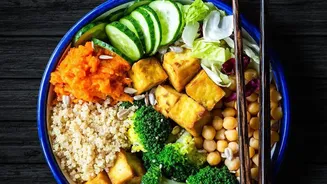
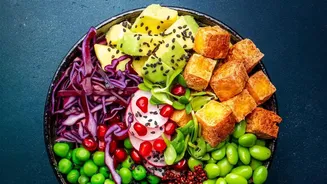
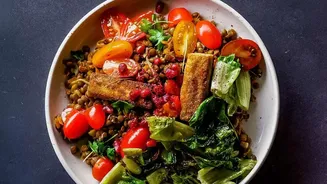
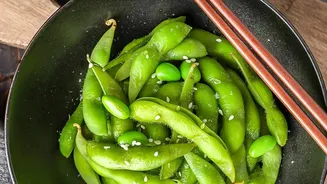
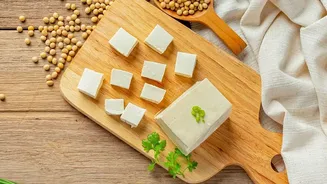
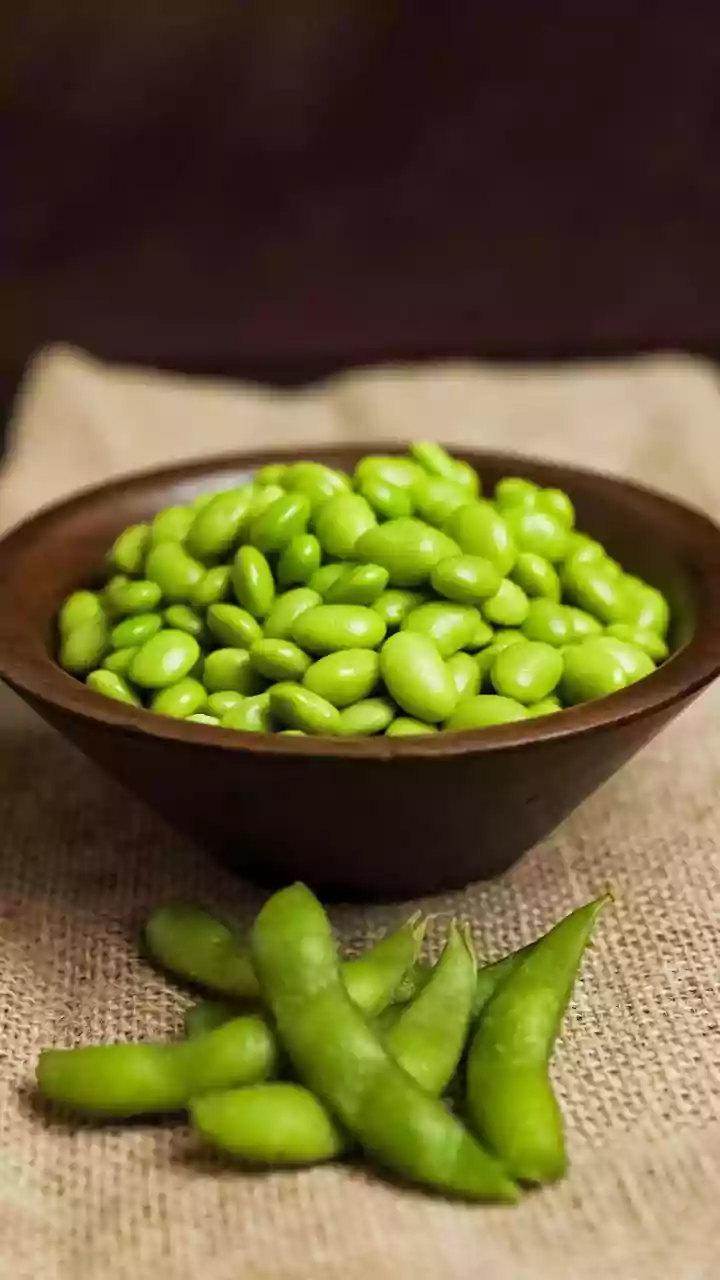
acids, the building blocks of protein. Consuming protein after a workout provides your body with the necessary raw materials to rebuild and recover efficiently. While animal proteins have traditionally been the go-to, plant-based proteins are a powerful alternative. Sources like legumes, tofu, and quinoa provide the essential amino acids your body needs. Recent studies show that plant-based protein meals can effectively stimulate muscle-building responses. Blends of different plant proteins, for example, can ensure a complete amino acid profile to support recovery.
The Seed Superstars: Chia, Flax, and Hemp
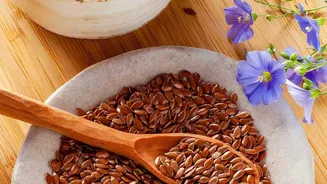
Seeds are nutritional powerhouses that deliver protein, healthy fats, fibre, and crucial micronutrients that support recovery. Three standouts are chia, flax, and hemp. Hemp seeds are the protein kings, offering about double the protein of chia and flax seeds, and are one of the few plant sources to contain all nine essential amino acids. Flaxseeds are champions for fighting inflammation due to their high content of alpha-linolenic acid (ALA), a type of omega-3 fatty acid. This helps soothe exercise-induced inflammation and can reduce muscle soreness. Always use ground flaxseed to ensure your body can absorb its nutrients. Chia seeds are also rich in ALA omega-3s, fibre, and protein. They absorb liquid to form a gel, which can help with hydration and provide a steady release of energy. All three seeds are also packed with minerals like magnesium and zinc, which are vital for muscle function and repair.
Meal Prep for Smarter Recovery
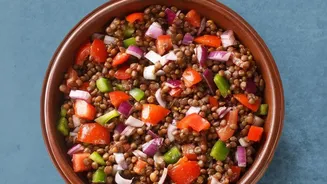
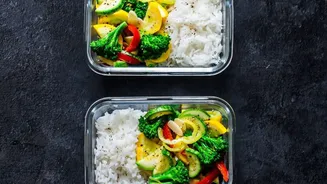
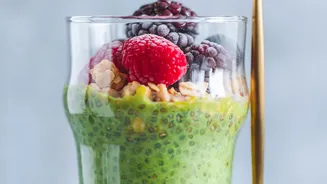
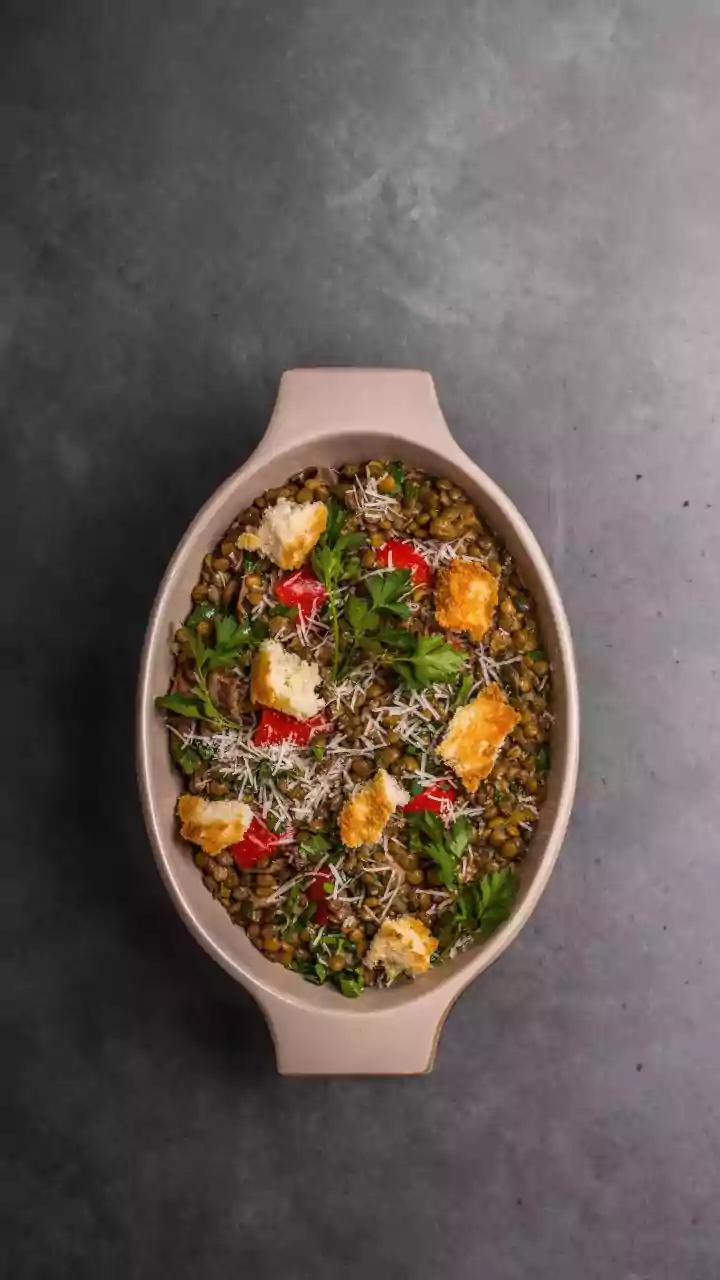
Meal prepping is your secret weapon for staying consistent with your recovery nutrition. Instead of cooking every day, you can prepare meals or components in advance. A great strategy is to batch-cook core ingredients. Cook a large pot of quinoa or red lentils at the start of the week. Wash and chop vegetables like cucumber and red onion and store them in airtight containers. You can also create pre-portioned smoothie packs by adding spinach, fruit, and a scoop of plant-based protein powder to a bag and freezing it. When you need a quick recovery shake, just add almond milk and a tablespoon of seeds, then blend. Another easy prep idea is overnight oats or chia pudding. In a jar, combine rolled oats or chia seeds with plant-based milk, a scoop of protein, and your choice of seeds. Let it sit overnight in the fridge for a ready-to-eat, protein-packed breakfast or snack.
Putting It All Together: Simple Meal Ideas
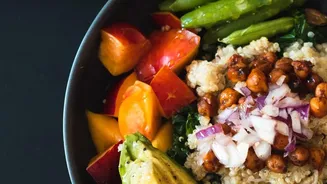
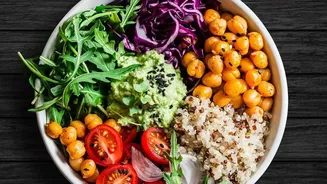
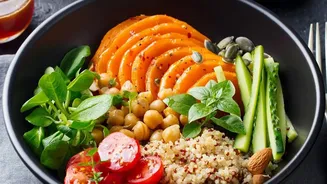
Combining your prepped ingredients into recovery-focused meals is simple. For a nutrient-dense lunch, try a quinoa and chickpea salad. Mix your pre-cooked quinoa with chickpeas, diced cucumber, and a handful of rocket. Top with a lemon-tahini dressing made from sesame seeds for an extra mineral boost. For a post-workout snack, a smoothie is ideal. Blend a frozen banana with a serving of plant-based protein powder, a cup of unsweetened almond milk, a tablespoon of ground flaxseed, and a tablespoon of hemp hearts. This provides a quick hit of protein, carbs, and anti-inflammatory fats. A Vanilla Protein Chia Pudding is another excellent option. Combine chia seeds, vanilla plant protein, and almond milk, letting it thicken to create a satisfying, recovery-boosting meal that feels like a treat.
Don't Forget Other Power Seeds
While chia, flax, and hemp get much of the spotlight, other seeds offer incredible benefits too. Pumpkin seeds are exceptionally rich in magnesium and zinc, two minerals essential for preventing muscle cramps and aiding tissue repair. Sprinkling them over a salad or yogurt provides a crunchy, nutrient-packed boost. Sunflower seeds are a top source of Vitamin E, an antioxidant that helps protect muscle cells from the oxidative stress that occurs during intense exercise. A handful of roasted, unsalted sunflower seeds makes for a convenient and effective recovery snack. Incorporating a variety of seeds ensures you get a wide spectrum of the vitamins and minerals needed to support your training goals.