





Think Beyond the Dining Table
The first instinct for many hosts is to gather everyone around a single dining table. While practical for a formal meal, a tea tasting benefits from a more relaxed approach. The goal is to encourage mingling, easy conversation, and a comfortable flow.
A large, rigid setup can feel stiff and may prevent guests from chatting with anyone beyond their immediate neighbours. Instead of one central table, consider using your entire living space. This approach breaks the party out of a single formation and invites a more dynamic, social atmosphere. The aim is to create an environment where guests can move freely, sample different teas, and interact with various people throughout the event.
Create Intimate Conversation Nooks
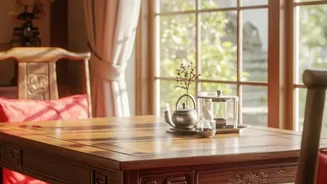
The most successful party layouts encourage smaller, organic conversations. Rather than one large circle, design several 'conversation zones' by grouping furniture. You could have a sofa facing two armchairs, a pair of chairs near a window with a small side table, or even a bench placed against a wall. These smaller clusters, or 'pods', feel more intimate and allow guests to naturally form groups of three to five people, which is the sweet spot for easy dialogue. Define these zones with area rugs to visually anchor each space and make them feel intentional and cozy. The key is to arrange furniture to face each other, promoting eye contact and effortless interaction.
Embrace Flexible and Varied Seating
You don't need a matching set of eight dining chairs to host a beautiful tea party. In fact, mixing different types of seating can make the space feel more welcoming and stylish. Combine your existing sofa and armchairs with more flexible options like ottomans, poufs, floor cushions, or even a low bench. These pieces are lightweight, easy to move, and can serve multiple purposes—an ottoman can be a seat one moment and a small table the next. This variety allows guests to choose what feels most comfortable to them and makes the arrangement feel less rigid and more like a relaxed lounge. Having a few stackable stools or dining chairs in another room that can be brought in as needed is another smart strategy.
Prioritize Flow and Accessibility
A comfortable seating arrangement is useless if guests can't easily get to it. Before your tea tasting, walk through the space and ensure there are clear, unobstructed pathways between the entrance, the seating areas, and the tea station. As a rule of thumb, aim for at least 30 to 36 inches for main walkways. Float furniture away from the walls to improve flow and create a more intimate feel, rather than pushing everything to the perimeter which can resemble a waiting room. Ensure every seat has access to a nearby surface, like a coffee table or a small side table, where guests can comfortably place their cup and saucer. Nesting side tables are particularly useful as they can be spread out during the party and tucked away afterward.
Set the Mood with Thoughtful Details
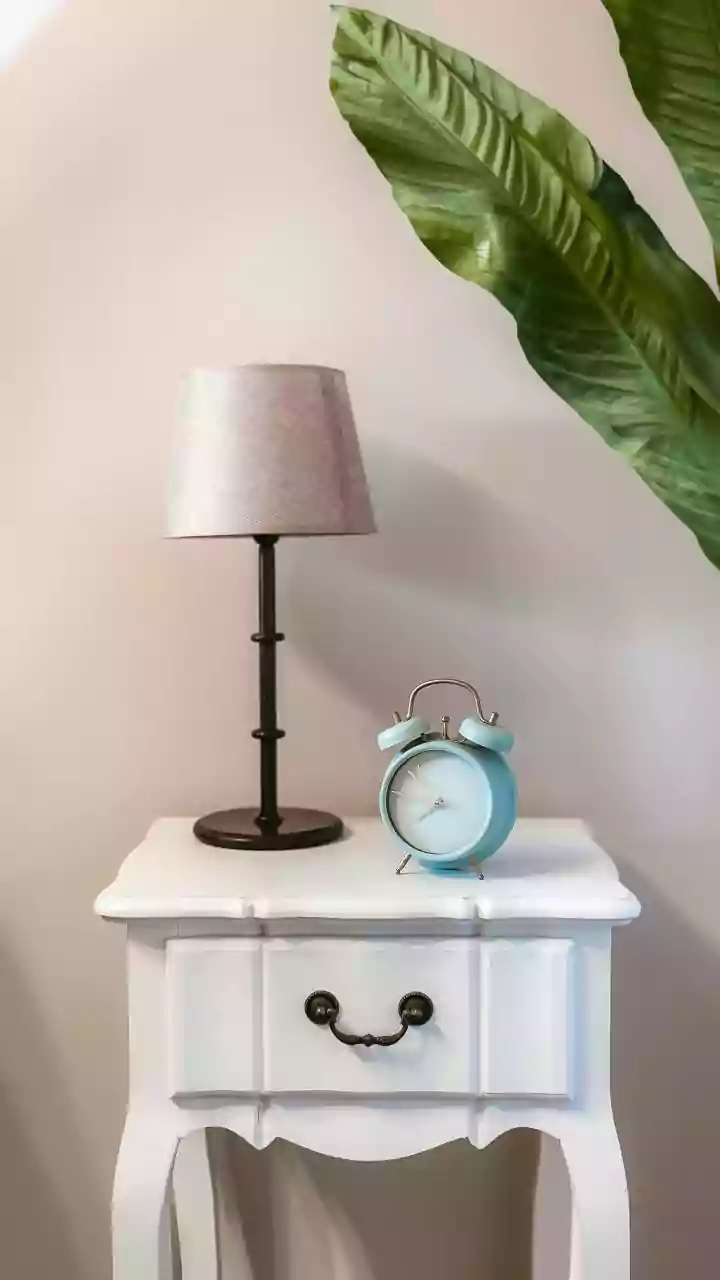
Once the main furniture is in place, the final layer of comfort comes from the details. Soft lighting from table lamps or floor lamps creates a warmer, more inviting mood than harsh overhead lights. Add throw pillows and blankets to your seating to introduce colour, texture, and an extra dose of coziness. While the tea is the star of the show, neutral snacks like plain crackers can be placed on tiered trays or side tables to save space and allow guests to cleanse their palates between tastings. Finally, don't overlook the power of a clean, decluttered space. Clearing away everyday items makes the room feel larger and more special for the occasion.