






AI as a Growth Engine
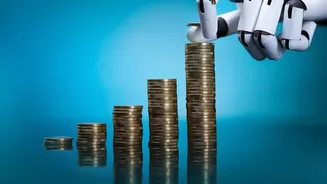
According to IMF Managing Director Kristalina Georgieva, the massive investment pouring into artificial intelligence is a key reason the global economy is managing to sustain growth. This AI boom is acting as a positive demand shock, lifting growth particularly
in the United States and Asian economies that supply essential hardware like microchips. Some estimates suggest AI could add up to half a percentage point to annual world growth if managed correctly. The spending on AI infrastructure is projected to be enormous, likely exceeding the historical investments made in building railroads, the electricity grid, and the internet. This surge in activity is creating a new economic ecosystem, with countries like the US, China, and India leading as AI producers, while others in Asia benefit from manufacturing the components that power this revolution.
The Anatomy of a Shock
The 'economic shocks' the IMF warns about are multifaceted. One major risk is a financial bubble. If the huge investments in AI fail to deliver the expected profits and productivity gains, investor confidence could collapse, leading to a sharp market correction. This could trigger a cascade of failures, particularly because of 'circular financing' arrangements where a small group of large tech firms invest heavily in each other, creating a tangled and fragile financial ecosystem. Another shock is to the labour market. The IMF estimates that roughly 40% of jobs globally are exposed to AI, a figure that rises to 60% in advanced economies. While some jobs will be augmented, many others, especially middle-skilled roles involving repetitive tasks, are at risk of being downgraded or eliminated entirely. This could worsen inequality and leave many workers behind.
Widening Global Inequality
A significant concern for the IMF is that the benefits of AI are not being shared equally. Georgieva has warned that while AI-driven economies are surging forward, the boom is 'largely bypassing most others', increasing the risk of a wider economic divide between nations. Advanced economies are better positioned to take advantage of AI due to superior digital infrastructure and skilled workforces. This creates a scenario where developing nations could fall further behind, unable to keep pace or afford the massive investments required. Even within wealthy countries, the gains are concentrated. Workers with AI-related skills are seeing higher earnings, but this isn't leading to overall job growth in their regions, and middle-skilled workers are being squeezed out.
The Call for Guardrails
Given these risks, the IMF is not advocating for a halt to AI development, but for the urgent creation of safeguards. Georgieva likened the current situation to 'Formula One race cars careening around with no barriers to protect the audience'. The Fund is calling for a combination of industry self-regulation and government oversight. This includes developing strong ethical foundations, updating tax systems for an AI-driven economy, and bolstering defences against AI-powered cyberattacks, which are seen as a growing systemic risk. A key part of the proposed solution is investing in people. The IMF stresses the need for massive investments in education and reskilling programs to help workers adapt to the changing job market and ensure that the benefits of AI are shared more broadly. International cooperation between major AI-producing nations, including India, is seen as essential to creating common sense standards.