

The Hidden Dangers in a Damp Shoe
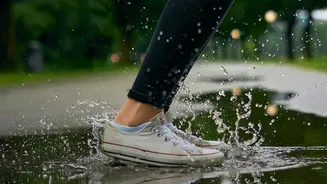
When your shoes get wet, the inside becomes a perfect breeding ground for bacteria and fungi. This combination of moisture and warmth creates an ideal environment for microorganisms to thrive, leading to unpleasant odours that are difficult to remove.
Beyond the bad smell, this can lead to foot health issues like athlete's foot, a fungal infection that causes itching, redness, and peeling skin. Prolonged exposure to dampness can also soften the skin, making it more prone to painful blisters and cracks. Furthermore, the moisture can slowly degrade the materials of your shoes, whether it's leather, canvas, or synthetic fabric, causing them to lose their shape, crack, or fall apart prematurely.
Ventilation: Your First Line of Defence
Proper ventilation is the most critical step in saving your wet footwear. Airflow is what actively works against the damp, stagnant conditions that cause all the problems. Good circulation helps evaporate moisture efficiently from both the exterior and, crucially, the interior of the shoe. This process is vital for preventing the growth of odour-causing bacteria and mould. By allowing air to move freely, you not only dry the shoe faster but also help preserve its structural integrity. Materials like leather can warp or crack if they remain damp for too long, while the glues used in many shoes can weaken. Ventilation ensures a gentle, even drying process that protects your investment.
Step 1: Prep for Proper Drying
Before you begin drying, a little preparation goes a long way. As soon as you take off your wet shoes, clean off any mud or debris with a soft brush or a damp cloth. Next, and most importantly, open up the shoe as much as possible to encourage airflow. This means removing the laces and taking out the insoles. Insoles can hold a significant amount of moisture, and drying them separately speeds up the entire process immensely. Pull the tongue of the shoe forward to create the widest possible opening for air to enter.
Step 2: Use Absorbent Materials
One of the most effective and time-tested methods for drawing moisture out from the inside is stuffing your shoes with crumpled newspaper. The paper acts like a sponge, absorbing the water. Pack the newspaper balls tightly, ensuring they reach all the way into the toe area. For very wet shoes, you may need to replace the damp newspaper with a fresh batch every few hours. This technique not only absorbs moisture but also helps the shoe maintain its shape as it dries. In a pinch, paper towels also work. Another useful trick is to use silica gel packets—the kind you find in new shoe boxes—as they are designed specifically to absorb moisture.
Step 3: Maximise Air Circulation
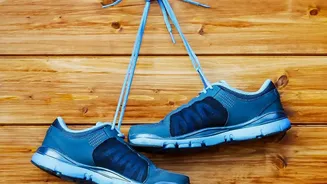
Once your shoes are stuffed, place them in a dry, well-ventilated area indoors. Positioning them in front of a table or floor fan is an excellent way to accelerate drying without causing damage. The constant airflow will carry moisture away effectively. If using a fan, you can prop the shoes up against a wall or even use wire hooks to hang them on the fan's grill, allowing air to circulate all around. It is also wise to rotate your footwear, giving each pair at least 24 hours to dry out completely before you wear them again. This simple habit can significantly extend the life of your shoes during the monsoon.
What to Avoid: The Dangers of Direct Heat
It can be tempting to speed up the process by placing your wet shoes near a direct heat source like a heater, in direct sunlight, or by using a hairdryer. This is a mistake. High heat can cause irreversible damage. For leather shoes, it can cause the material to shrink, crack, and become brittle. For sneakers and other athletic shoes, direct heat can melt the adhesives that hold them together, causing the soles to deform or separate. Always opt for cool, circulating air over intense heat for a safe and effective drying process.