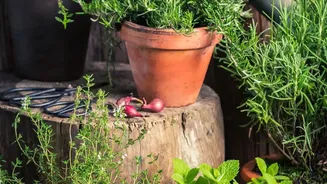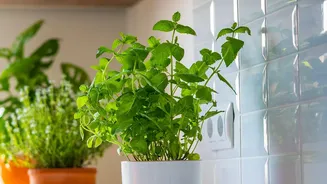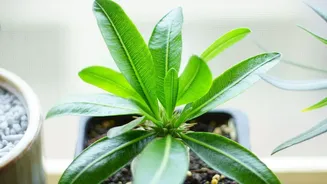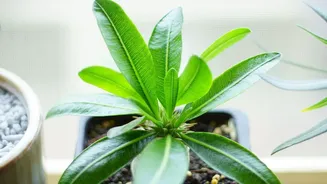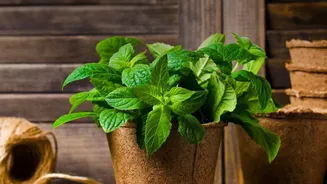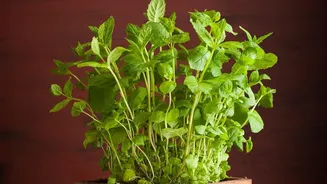

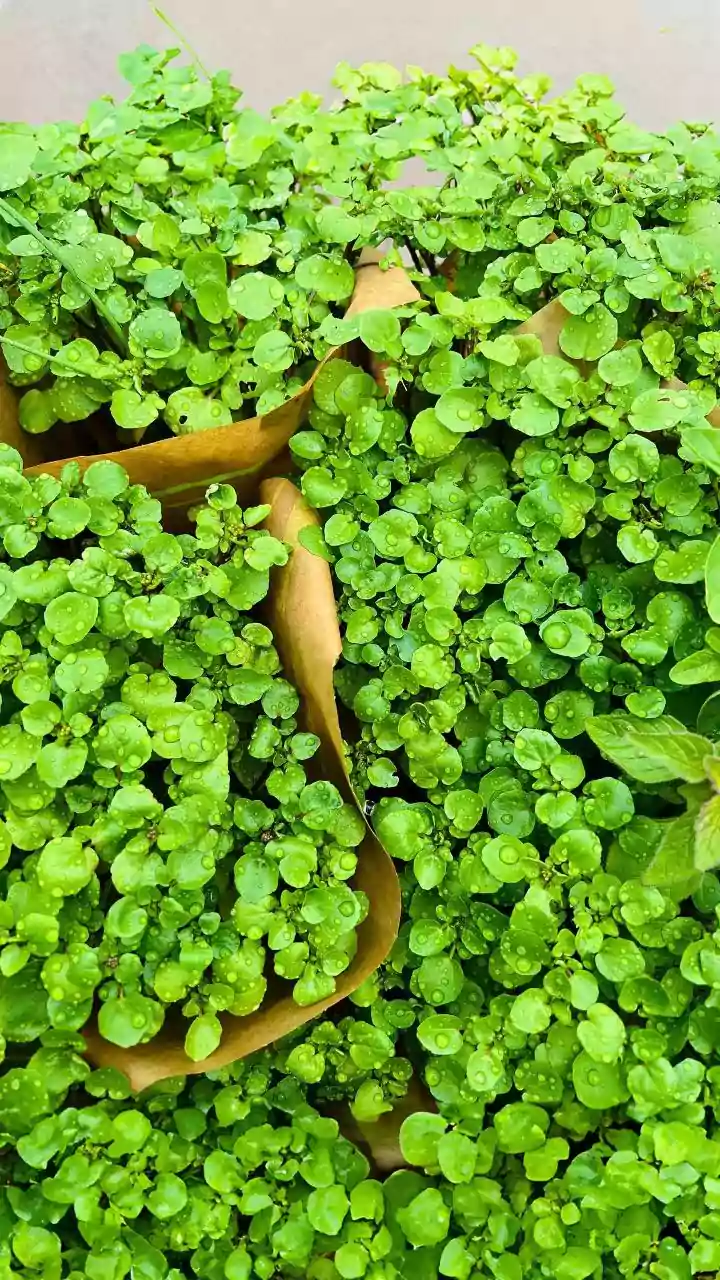
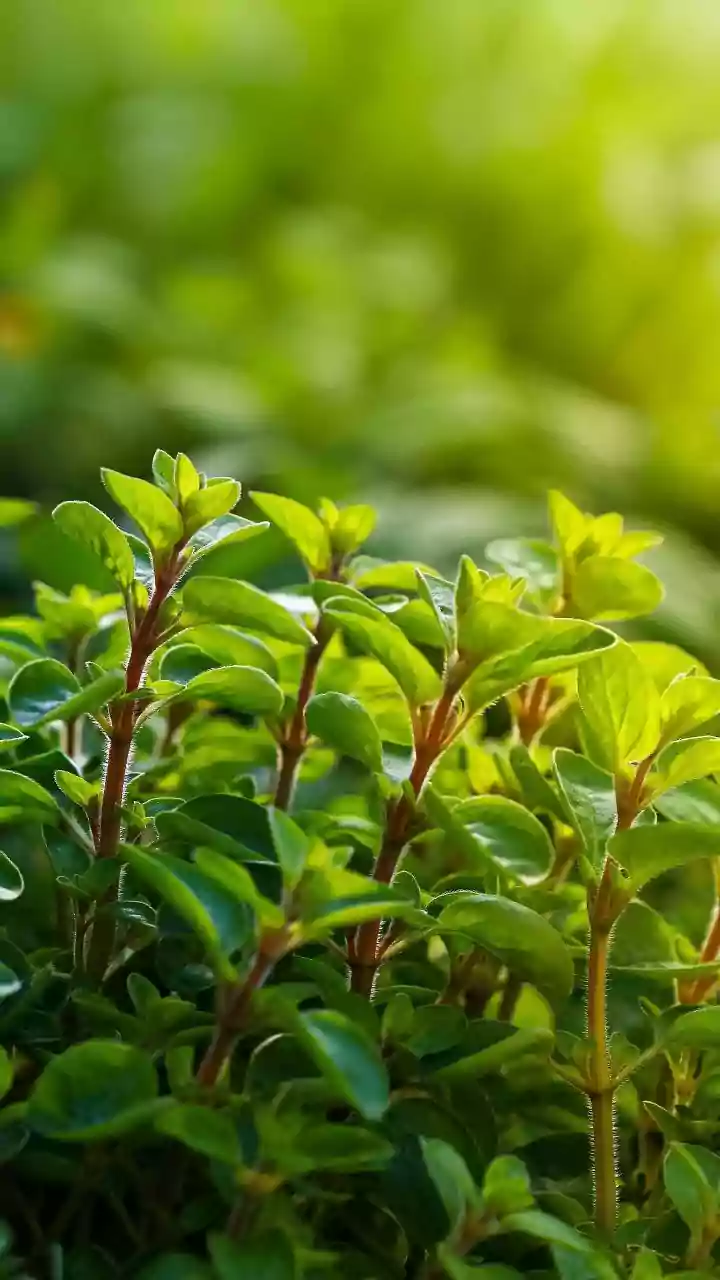

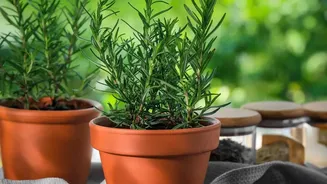
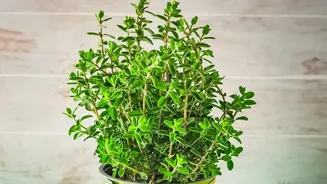

There’s nothing quite like the burst of flavour from fresh, homegrown herbs. A sunny windowsill is all you need to cultivate your own supply of mint, coriander, and tulsi, ready to elevate your daily chai, curries, and chutneys.
Setting Up for Success
Before you can harvest,
you need a healthy plant. Most herbs thrive with at least four to six hours of daily sunlight, making a south or west-facing windowsill an ideal spot. Ensure your pots have good drainage holes to prevent root rot from overwatering. Water your plants when the top inch of soil feels dry, but avoid letting it get soggy. For these leafy herbs, choosing a pot that is at least 6-8 inches deep will give their roots enough space to grow strong, supporting a lush and continuous harvest.
Harvesting Mint for a Bushy Plant
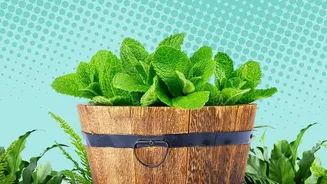
The key to a productive mint plant is to prune, not pluck. Randomly plucking individual leaves weakens the stem and leads to a sparse, leggy plant. Instead, use a pair of scissors or your fingers to snip the stem about one-third of the way down, just above a point where a pair of leaves emerges. This is called a leaf node. Cutting here encourages the plant to branch out into two new stems, resulting in a fuller, bushier plant. Begin harvesting this way as soon as the plant is a few inches tall. Regular trimming, at least every few weeks, is the secret to a compact and endlessly giving mint pot. Always harvest in the morning, after the dew has dried, for the most flavourful leaves.
Coriander: The 'Cut and Come Again' Method
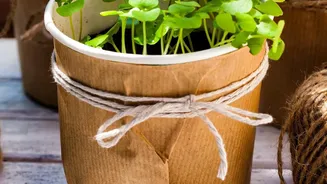
Coriander, or dhaniya, is perfect for a method called 'cut and come again'. Once your plant is about six inches tall, start harvesting the outermost, most mature leaves first. Use scissors to snip the stems about one to two inches from the soil, taking care to leave the central, younger leaves untouched. This allows the heart of the plant to keep producing new growth for future harvests. Try not to take more than one-third of the entire plant at any single time, as this gives it enough foliage to recover and regrow quickly. This regular trimming also helps delay 'bolting'—when the plant flowers and the leaves lose their potent flavour.
Tulsi: A Guide to Gentle Plucking
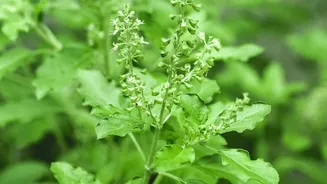
Harvesting Tulsi, or Holy Basil, is a simple but gentle process. For daily use, you can pinch individual leaves, but for a more beneficial harvest that promotes growth, it is best to snip the growing tips. Look for a flowering top and cut the stem just above the next set of leaves down. This practice encourages the plant to become bushier and more productive. The best time to harvest is in the morning, when the leaves' essential oils are at their most potent. It's traditionally advised to use your fingers to pinch the stems, avoiding the use of fingernails. If the plant is very young, focus on just pinching off any flower buds that appear. This redirects the plant's energy back into producing more lush, aromatic leaves.
Keeping Your Harvest Fresh
Once you've harvested your fragrant herbs, you'll want to preserve their freshness. If you're not using them immediately, the best way to store them for a few days is to treat them like fresh flowers. Place the cut stems in a small glass of water and leave it on your kitchen counter, out of direct sunlight. Alternatively, you can wrap the herbs loosely in a damp paper towel and place them inside a plastic bag in your refrigerator's vegetable drawer. For coriander, this method works particularly well to keep the leaves crisp and prevent wilting.