




So, What Exactly Is Galangal?
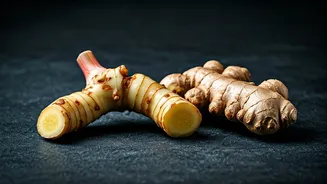
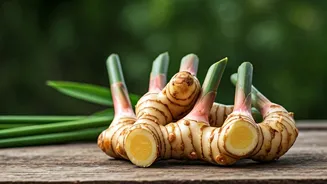
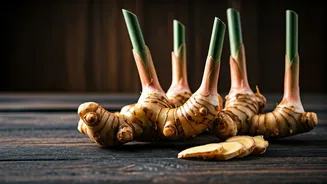
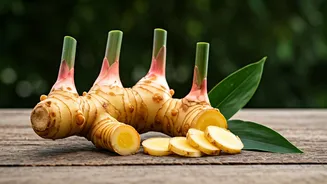
Galangal is a rhizome, or underground stem, that belongs to the same family as ginger and turmeric. Often called 'Thai ginger' or 'Siamese ginger', it’s a staple in Southeast Asian cuisines, particularly in Thai, Indonesian, and Malaysian dishes. While
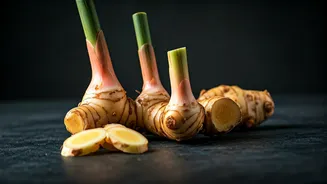
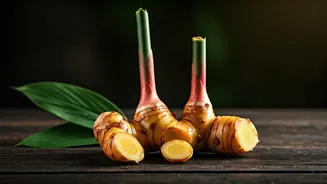
it resembles ginger at first glance, a closer look reveals a smoother, paler skin that can have pinkish accents. The flesh inside is typically harder, denser, and ranges from off-white to a pale yellow. This fragrant spice has been used for centuries not just for its unique flavour but also in traditional Ayurvedic and Chinese medicine.
Galangal vs. Ginger: The Key Differences
While they are related, substituting one for the other is not recommended. The main difference lies in the flavour profile. Ginger offers a pungent, spicy, and slightly sweet taste. Galangal, on the other hand, delivers a sharper, more complex flavour with distinct citrusy and pine-like notes. Its aroma is peppery and earthy, completely distinct from ginger's warm scent. The texture is another giveaway; galangal is much tougher and more fibrous than ginger, meaning it's often sliced thin rather than grated. Using galangal in a recipe that calls for ginger will fundamentally change the dish, steering it in a bolder, more aromatic direction.
A Treasure Trove of Health Benefits
Beyond its culinary uses, galangal is prized for its health-promoting properties. It is a rich source of antioxidants, particularly polyphenols, which help protect your cells from damage and are linked to improved memory and lower blood sugar levels. Traditional medicine has long used it to aid digestion, reduce inflammation, and even fight infections. Modern studies support these uses, showing that galangal possesses anti-inflammatory compounds that may help reduce pain associated with conditions like arthritis. It also has demonstrated antibacterial and antifungal properties, potentially helping to combat foodborne bacteria.
Bringing Galangal into Your Kitchen
Incorporating galangal into your cooking is an adventure in flavour. Since it's quite tough, the fresh rhizome is typically sliced into thin coins or pounded into a paste. The slices are perfect for infusing soups and broths, like the famous Thai Tom Yum soup, where they release their aroma during simmering. Remember to remove the tough pieces before serving. You can also chop it very finely to use in stir-fries or marinades. A simple way to start is by adding a few slices to your next coconut-based curry or lentil dal to lend it a fragrant, citrusy depth. You can even make a refreshing limeade by boiling slices of galangal. For convenience, galangal is also available as a powder or paste.
Where to Find It
Once a specialty item, fresh galangal is becoming increasingly accessible in India. Look for it in larger supermarkets, specialty food stores, and online grocery platforms that stock exotic vegetables. You may find it labelled as 'Thai Ginger'. When buying fresh, choose firm rhizomes with smooth skin and no soft spots. You can store it in the refrigerator for a few weeks, or even freeze it for longer-term use. Dried slices and ground powder are also widely available online and in spice shops, offering a convenient alternative, though the flavour of fresh is unparalleled.