








More Than Just a Quiet Corner
First, let’s define what a 'reset space' is—and isn’t. It’s not your home office, where deadlines loom. It’s not the living room couch, where the family gathers to watch TV. A reset space is an area, big or small, that you intentionally dedicate to decompression.
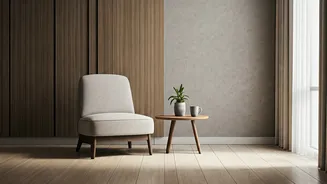
Think of it as a personal ‘off’ switch. It’s a physical manifestation of a mental boundary, a place where you can go to shed the day’s stress, quiet the noise in your head, and simply be. The purpose isn’t productivity or entertainment; it’s restoration. Whether it's a full-fledged 'wellness room' or simply a comfortable armchair by a window, the defining feature is its singular function: to help you reset.
The Rise of the Everyday Sanctuary
So, why is this concept gaining so much traction now? The reasons are rooted in our modern, hyper-connected reality. The lines between work and life, once blurred, have all but disappeared for many, especially with the rise of remote work. Our homes became our offices, schools, and gyms, leaving little room for genuine escape. In bustling Indian cities, where multi-generational living is common and personal space can be a luxury, the need for a psychological retreat has become even more acute. Add to this the constant barrage of digital notifications and the mental load of navigating a fast-paced world, and it’s no surprise that we are craving a built-in pause button within our own four walls.
It’s Not About Size, It’s About Intention
The most common misconception about creating a reset space is that you need a spare room. This simply isn't true. The power of a reset space lies in its intention, not its square footage. A small apartment balcony can be transformed with a comfortable chair and a few plants. A neglected corner in your bedroom can become a cosy reading nook. Even a specific spot on your floor with a yoga mat and some cushions can serve the purpose. The key is to mentally cordon it off. When you are in that space, you are there to reset. This psychological designation is what transforms an ordinary spot into a powerful tool for well-being. It’s about claiming a small piece of your environment for the sole purpose of your own peace.
Crafting Your Zone of Calm
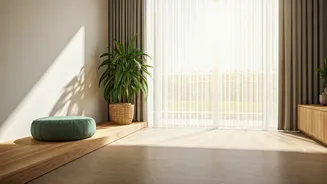
Ready to create your own? Focus on engaging your senses to promote relaxation. Start with sight: choose a spot with natural light if possible. Use soft lighting like a dimmable lamp for the evenings. Incorporate colours that you find soothing—soft blues, greens, or earthy neutrals often work well. For sound, consider a pair of noise-cancelling headphones or a small speaker for calming music, nature sounds, or guided meditations. Don't underestimate the power of scent; an essential oil diffuser with lavender or chamomile, or the familiar fragrance of sandalwood agarbatti, can instantly signal to your brain that it’s time to relax. The goal is to create a sensory environment that is distinct from the rest of your home.
Prioritise Comfort and Nature
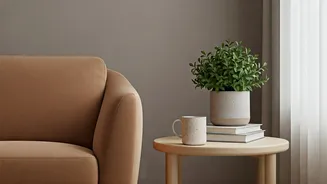
Physical comfort is non-negotiable. Your reset space should feel like a hug. Invest in textures that feel good to you. This could be a plush rug underfoot, a soft throw blanket, or a few velvet cushions. Ensure your seating—be it an armchair, a floor cushion, or a simple stool—is comfortable for at least 10-15 minutes. Alongside comfort, try to bring a touch of nature in. Biophilic design, which incorporates natural elements into our spaces, has been proven to reduce stress. A few low-maintenance indoor plants like a snake plant or pothos can purify the air and provide a calming green focal point. If you don't have a green thumb, even items made from natural materials like wood, jute, or stone can help ground the space and connect you to the outdoors.
Set a Clear 'No-Tech' Rule
For a reset space to be truly effective, it must be a designated digital detox zone. The endless scroll and constant pings from our devices are often the primary source of our mental clutter. Make a firm rule: no mindless scrolling, no checking work emails, and no news feeds in this space. If you use your phone for a meditation app or calming music, that’s the exception. But the default should be tech-free. This act of consciously disconnecting, even for just a few minutes each day, allows your brain to switch off from the external world of demands and expectations and turn inward, which is the entire point of having a reset space in the first place.